
Dog Scratching in Grand Prairie: Causes and Relief Tips

Dog Scratching in Grand Prairie: Causes and Relief Tips
Does your dog seem to be scratching more than usual lately? As spring arrives in Grand Prairie, TX, many pet owners find themselves concerned about their dog’s constant itching, licking, or biting at their skin. Dog scratching is not just a minor annoyance; it can signal underlying problems that lead to discomfort, hair loss, and even infections if left unaddressed. At Sloan Animal Hospital , our team of veterinarians understands how frustrating it can be to watch your dog struggle with itchy skin. In this blog, we’ll explore the most common reasons behind excessive dog scratching, when you should consider seeking veterinary help, and how you can provide relief for your dog at home. We’ll also explain how our full-service veterinary team in Grand Prairie can help your dog feel comfortable again, with everything from dermatology services to advanced diagnostics and ongoing care.
Recognizing Problematic Dog Scratching
Every dog scratches occasionally; it’s a normal behavior, especially after a run in the yard or a roll in the grass. However, when scratching becomes frequent or intense, it’s a sign that something more serious may be going on. Excessive dog scratching in Grand Prairie often presents as chewing, licking, or biting at the skin, paws, or base of the tail. You might notice redness, bumps, scabs, or thinning fur in the affected areas. Sometimes, dogs will rub their face or body along the carpet or furniture to find relief. If your dog seems restless, is waking at night to scratch, or is developing sores or hot spots, it’s time to pay closer attention. Persistent scratching is not only uncomfortable for your pet but can also lead to secondary infections that require prompt veterinary treatment.
Why Is My Dog Scratching? Common Causes in Grand Prairie
Understanding what triggers dog scratching is the first step toward finding real relief for your pet. In North Texas, several factors can make dogs more prone to itchy skin during the spring and summer months.
Allergies: Environmental and Food Triggers
Allergies are one of the top reasons dogs develop itchy skin. In Grand Prairie, pollen from trees, grasses, and weeds can trigger seasonal allergies, also known as atopy. Dogs may inhale these allergens or pick them up on their skin and paws, leading to inflammation and relentless scratching. Additionally, food allergies or sensitivities to certain proteins, grains, or additives can cause year-round itching, often accompanied by ear infections or digestive upset.
Fleas, Ticks, and Other Parasites
Fleas are notorious for causing intense itching in dogs, even if you never spot a flea on your pet. Just one bite from a flea can set off a major allergic reaction in sensitive dogs, leading to weeks of scratching and skin damage. Ticks and mites, such as those that cause mange, can also be culprits. In the warm, humid climate of Grand Prairie and surrounding communities, year-round parasite prevention is essential. For more information about the importance of parasite control, the Companion Animal Parasite Council offers excellent resources.
Skin Infections and Hot Spots
When scratching breaks the skin, bacteria and yeast can take hold, resulting in infections that make the itch even worse. Hot spots, or moist dermatitis, are areas of inflamed, infected skin that appear suddenly and can spread quickly. These need immediate attention to prevent further discomfort and complications.
Dry Skin and Environmental Factors
Low humidity, frequent bathing, or harsh grooming products can strip your dog’s skin of natural oils, leaving it dry and itchy. During spring and early summer, rapid temperature changes or increased time outdoors may contribute to irritation.
Underlying Medical Issues
Less commonly, hormonal imbalances such as hypothyroidism or autoimmune diseases can contribute to dog scratching. These conditions often present with additional symptoms like weight changes or lethargy and require thorough diagnostics for proper treatment.
How Sloan Animal Hospital Diagnoses and Treats Dog Scratching
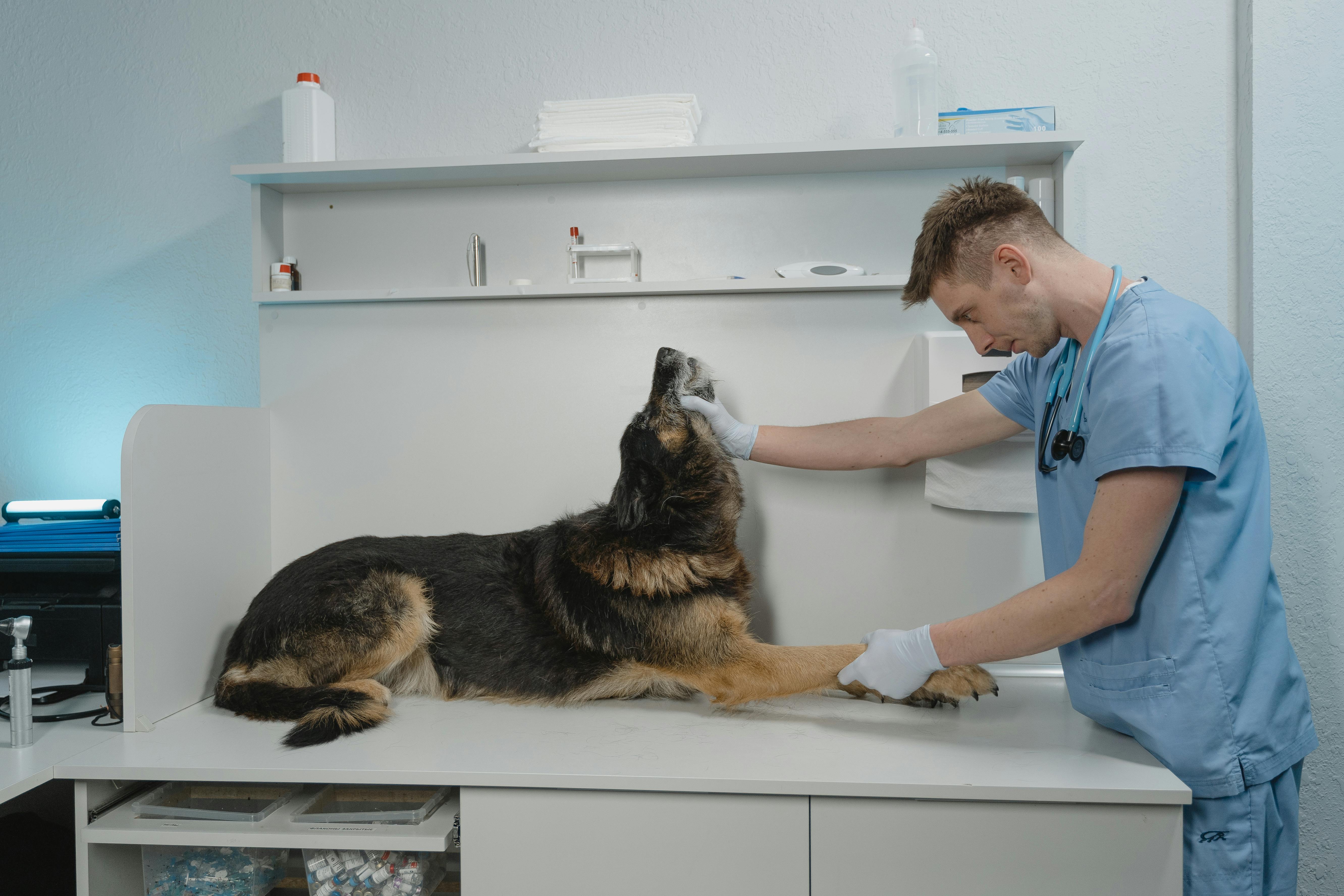
When your dog can’t stop scratching, a veterinary examination is the best way to identify the cause and create an effective treatment plan. At Sloan Animal Hospital , our veterinarians use a step-by-step approach to get to the root of your dog’s discomfort.
Comprehensive Examination and History
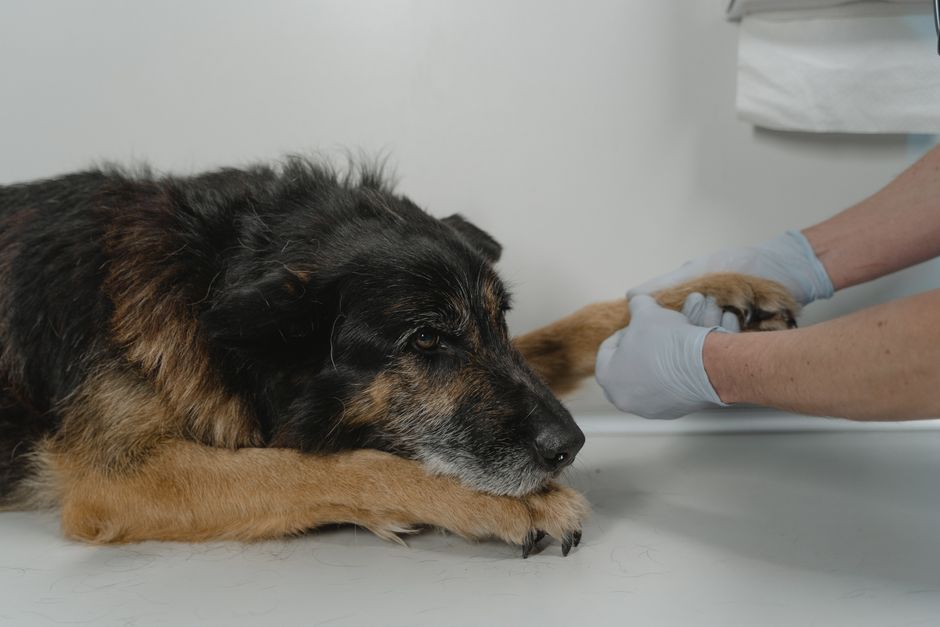
We begin with a thorough history, asking about your dog’s environment, diet, recent activities, and previous health issues. A hands-on examination allows us to assess the extent of the itching, check for fleas or ticks, and look for signs of infection or allergies.
Diagnostic Testing
Depending on what we find during the exam, we may recommend further diagnostics. These can include skin scrapings to check for mites, cytology to identify bacteria or yeast, and allergy testing or elimination diets for chronic issues. Our in-house pet diagnostic lab ensures fast and accurate results, so we can start your dog’s treatment as soon as possible.
Customized Treatment Plans
Treatment for dog scratching varies based on the underlying cause. If parasites are involved, we prescribe appropriate preventives and medications to eradicate fleas, ticks, or mites. For allergies, management may involve antihistamines, prescription diets, or immunotherapy. Skin infections are addressed with topical or oral medications, while hot spots may require gentle cleaning, antibiotics, and sometimes a protective collar to prevent further self-trauma. Our dermatology services are designed to provide ongoing relief for dogs with chronic or recurring itchy skin. Each plan is tailored to your dog’s specific needs, ensuring both immediate comfort and long-term health.
Home Care and Prevention: Helping Your Dog Stay Comfortable
While professional care is essential for persistent scratching, there are steps you can take at home to keep your dog comfortable and reduce risk factors.
Regular grooming is important; brushing helps remove loose fur, dirt, and allergens from your dog’s coat. Bathing your dog with a veterinary-approved, gentle shampoo can soothe irritated skin, but avoid over-bathing as it may dry the skin further. Keeping your home and yard clean reduces exposure to fleas, pollen, and other allergens. Establishing a year-round flea and tick prevention program is critical, especially in Grand Prairie’s warm climate. The American Heartworm Society also provides guidance on parasite prevention, which protects your dog from more than just itching.
If your dog has known food allergies, work with your veterinarian to find a suitable, hypoallergenic diet. Providing fresh water at all times and maintaining a healthy weight supports overall skin health. Monitor your dog’s scratching and note any changes, such as new foods, shampoos, or environmental exposures that could be contributing to the problem.
When to See a Veterinarian for Dog Scratching
It can be tempting to try home remedies, but there are clear signs that mean your dog needs professional help. Schedule an appointment with our veterinary team if your dog’s scratching lasts more than a few days, causes sores or hair loss, or is accompanied by other symptoms like ear infections, odor, or changes in appetite. If you notice bloody or oozing skin, swelling, or signs of pain, prompt veterinary attention is essential to prevent further complications. Sometimes, underlying problems such as mange, severe allergies, or systemic illness can only be diagnosed and treated by a veterinarian. Our wellness examinations are designed to catch these issues early and keep your dog healthy all year long.
If you’re ever unsure whether your dog’s scratching is a cause for concern, our team of veterinarians in Grand Prairie is just a call away. We’re here to answer your questions, provide thorough evaluations, and guide you through the next steps.
Supporting Your Dog’s Skin Health with Sloan Animal Hospital
Watching your dog struggle with itchy skin is never easy, but you don’t have to manage it alone. Whether your dog’s scratching is new or has been an ongoing challenge, the veterinary professionals at Sloan Animal Hospital are committed to providing compassionate, effective care tailored to your pet’s needs. From advanced diagnostics to personalized treatment and prevention strategies, we’re your trusted partner in keeping your dog comfortable and healthy.
If you’re searching for a "vet near me" to help with dog scratching, look no further than our experienced team right here in Grand Prairie. Schedule an appointment today by calling (214) 412-2462 or visiting our location in Grand Prairie, TX. Let us help your dog find relief and enjoy the spring season itch-free.
For more information about our services or to book your visit, explore our dermatology services or wellness examinations online. Your dog’s comfort and health are always our top priority.