
Dog Scratching in Grand Prairie: Causes and Solutions


Dog Scratching in Grand Prairie: Causes and Solutions
Is your dog scratching more than usual this summer in Grand Prairie? If you find yourself watching your dog constantly itching, licking, or chewing at their skin, you are certainly not alone. The warm weather and humid conditions in our area often make skin problems more noticeable and uncomfortable for pets. At Sloan Animal Hospital, we understand how distressing it can be to see your beloved dog dealing with constant scratching. In this blog, our veterinary team will explore the most common causes of dog scratching, signs to watch for, effective solutions, and how to know when it is time to seek professional veterinary care. Whether you are in Grand Prairie or the surrounding communities, our veterinarians are dedicated to helping your dog stay comfortable, healthy, and itch-free all year round.
Recognizing When Dog Scratching Is a Problem
Every dog scratches occasionally, but it is important to know when normal behavior crosses into something more concerning. Persistent or intense scratching, biting, or licking can indicate an underlying health issue that needs attention. Signs that your dog's scratching might require veterinary care include red or irritated skin, hair loss in certain areas, the appearance of scabs or sores, constant chewing at their paws or tail, and changes in their behavior such as restlessness or trouble sleeping. Many dog owners in Grand Prairie notice these symptoms especially during spring and summer, when environmental allergens and parasites are most active. If you observe any of these warning signs, it is a good idea to schedule a wellness examination for your dog to get to the root of the problem.
Why Is My Dog Scratching? Common Causes in Grand Prairie
Understanding the reasons behind dog scratching can help you take the right steps to address it. In Grand Prairie, several local factors contribute to itchy skin in dogs, from environmental allergens to pesky parasites.
Allergies
Allergies are among the most frequent causes of dog scratching. Dogs can develop sensitivities to pollen, grasses, dust mites, and even mold spores, all of which are prevalent in North Texas. Seasonal allergies often flare up in the spring and summer, causing symptoms such as itching, redness, and watery eyes. Food allergies are another possibility; some dogs react to specific proteins or grains in their diet, leading to chronic skin irritation and digestive issues.
Parasites
Fleas and ticks are common in Grand Prairie and can cause serious discomfort for your dog. Flea bites, in particular, can trigger flea allergy dermatitis—a hypersensitivity reaction that results in intense itching and hair loss. Mites, which cause conditions like mange, may also be responsible for relentless scratching and skin lesions. Regular parasite prevention is crucial in our warm climate to keep these pests at bay.
Skin Infections
Bacterial or yeast infections often develop secondary to allergies or excessive scratching. These infections usually present with symptoms such as a foul odor, greasy or crusty skin, and patches of hair loss. Skin infections can worsen quickly if not addressed and are best treated under the guidance of a veterinarian.
Dry Skin
Dry skin is another culprit, especially during winter months when indoor heating dries out the air or if your dog is bathed too frequently with harsh shampoos. Signs of dry skin include flakiness, dull coat, and mild itching. Although less common in the humid Texas summer, dry skin can still occur and make your dog uncomfortable.
Other Causes
Less commonly, underlying health problems such as hormonal imbalances (hypothyroidism or Cushing's disease), autoimmune conditions, or even stress and anxiety can cause your dog to scratch excessively. A thorough veterinary evaluation is necessary to rule out these possibilities and determine the best course of action.
Professional Treatment for Dog Scratching: What to Expect
When your dog's scratching becomes persistent or severe, seeking professional help is the best way to ensure relief and prevent complications. At Sloan Animal Hospital, our veterinary team uses a systematic approach to diagnose and treat skin issues in dogs.
Diagnostic Process
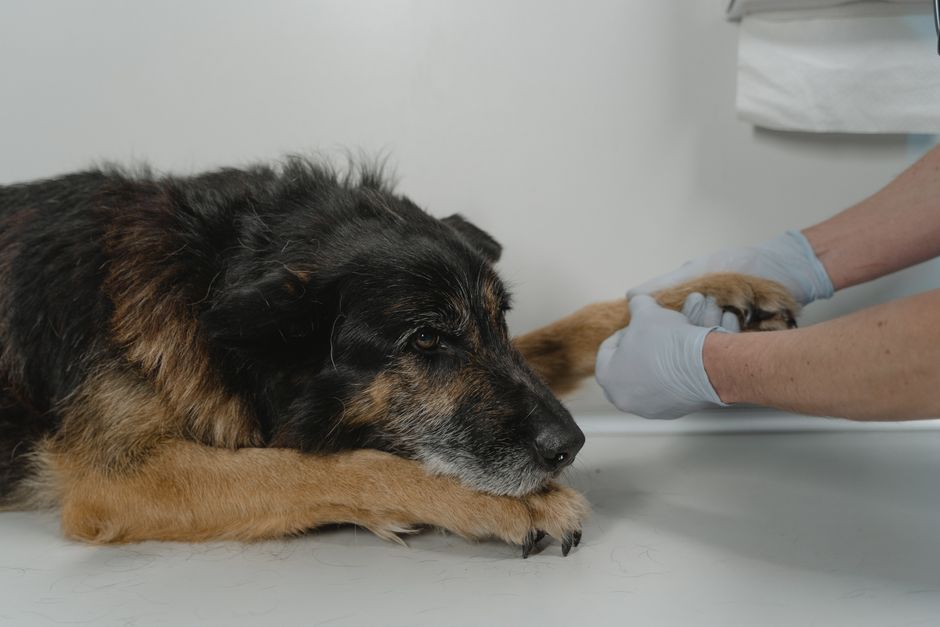
A comprehensive veterinary examination is the first step. Our veterinarians will ask about your dog's medical history, recent diet changes, exposure to other animals, and their environment. Diagnostic testing may include examining skin scrapings under a microscope, checking for parasites, performing allergy tests, or running bloodwork to rule out systemic conditions. Sometimes, a veterinary diagnostic lab is used to identify infections or underlying issues that are not immediately visible.
Treatment Options
Treatment for dog scratching depends on the underlying cause. For allergies, our team may recommend antihistamines, prescription shampoos, or even special diets designed to minimize exposure to allergens. Parasite infestations are addressed with safe, effective flea and tick preventatives. If a skin infection is diagnosed, antibiotics or antifungal medications may be prescribed. Many cases benefit from medicated baths or topical therapies that soothe irritation and promote healing. For dogs with chronic or severe skin issues, our team offers dermatology services to provide specialized care and long-term management tailored to your dog's needs.
Managing Dog Scratching at Home: Prevention and Care
While professional veterinary care is key to resolving ongoing scratching, there are several steps you can take at home to support your dog's skin health and comfort.
Maintaining a regular grooming routine helps remove dirt, pollen, and loose hair that can contribute to itching. Bathing your dog with a gentle, hypoallergenic shampoo can soothe minor irritation; however, avoid over-bathing, as this may strip the natural oils from your dog's skin. Make sure your dog is on a year-round parasite prevention plan, as recommended by your veterinarian, to keep fleas and ticks at bay.
If your dog has environmental allergies, wiping their paws and coat with a damp cloth after walks can help reduce allergen exposure. Providing a high-quality, balanced diet supports overall skin and coat health. Some dogs benefit from omega-3 fatty acid supplements, which can reduce inflammation and itchiness, but always consult your veterinarian before adding new supplements to your pet's regimen.
Ensuring your home is clean and dust-free can also minimize allergen levels indoors. If you notice dry skin, consider using a humidifier during colder months to add moisture to the air. For dogs that are prone to stress or anxiety, providing enrichment and a predictable routine may help reduce excessive licking or chewing behaviors.
When to Visit the Veterinarian for Dog Scratching
It is important to know when home care is not enough and professional help is needed. You should schedule an appointment with your veterinarian if your dog's scratching lasts more than a few days, becomes more intense, or is accompanied by additional symptoms such as redness, swelling, open sores, bleeding, hair loss, or changes in appetite or behavior. Immediate veterinary care is warranted if you notice signs of severe distress, lethargy, fever, or if your dog is causing significant self-injury.
Our veterinary team at Sloan Animal Hospital is equipped to assess and treat a broad range of skin conditions, from mild irritations to more complex dermatological issues. Early intervention can provide faster relief, prevent secondary infections, and keep your dog happy and comfortable throughout the year.
Why Local Expertise Matters for Dog Scratching in Grand Prairie
Living in Grand Prairie and the surrounding communities means your dog faces unique environmental challenges. The combination of warm temperatures, high humidity, and regional plant life can make certain skin problems more frequent and severe. Our veterinary team is experienced in diagnosing and treating dog scratching caused by local allergens, parasites, and other factors common to North Texas. We tailor our recommendations to address the specific needs of pets in our area, ensuring your dog gets the best possible care.
If you are searching for a "vet near me" who understands the challenges of keeping your dog comfortable in Grand Prairie, our team is here to help. We pride ourselves on building lasting relationships with pet owners and providing compassionate, comprehensive care for every member of your family.
Take the Next Step: Keep Your Dog Comfortable and Itch-Free
Persistent dog scratching is not just a nuisance; it is often a sign that your dog needs help. By staying alert to changes in your dog's skin or behavior and seeking timely veterinary care, you can ensure their comfort and long-term health. The team of veterinarians at Sloan Animal Hospital is dedicated to diagnosing and treating skin problems so your dog can enjoy every season without discomfort.
If your dog is scratching more than usual or you have concerns about their skin or coat, do not wait for the issue to worsen. Schedule an appointment with our experienced veterinary team today. You can book a visit online or call us at (214) 412-2462. Our clinic is conveniently located in Grand Prairie, TX.
Let us help your dog find relief from itching and get back to a happy, healthy life. For more information about our dermatology services or to learn how we can help with dog scratching in Grand Prairie, visit our dermatology care page or book your appointment now. Your dog's comfort and wellbeing are always our top priority.