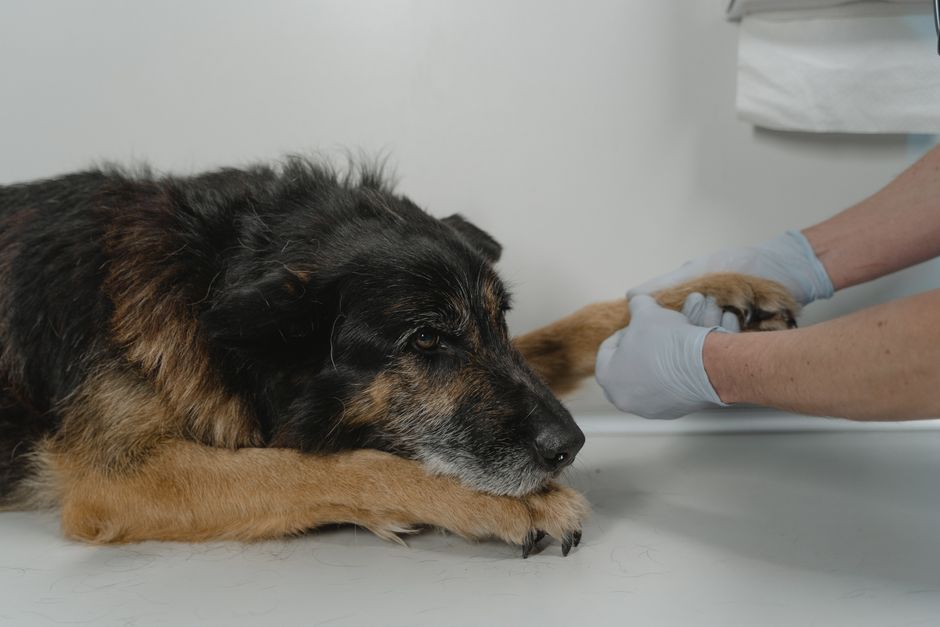

Dog Scratching in Summer: Causes and Relief Tips


Dog Scratching in Summer: Causes and Relief Tips
Is your dog constantly scratching as the summer heat settles into Grand Prairie? If you are noticing your dog scratching more than usual, you are not alone. Many pet owners in Grand Prairie and the surrounding communities find that their dogs become itchier during the warmest months, especially in August when temperatures and allergens are at their peak. At Sloan Animal Hospital, located at 2942 West Camp Wisdom Rd, Grand Prairie, TX 75052, we understand how frustrating it can be to watch your dog struggle with itchy skin. In this guide, we will explore the most common reasons behind dog scratching during summer, how to recognize when the problem needs veterinary attention, and what you can do at home to help your dog feel comfortable. If your dog’s scratching is keeping both of you up at night, keep reading for expert advice and practical solutions from our veterinary team.
Recognizing the Signs of Excessive Dog Scratching
Every dog scratches now and then, but when does it become a concern? Occasional itching is normal; however, persistent or intense dog scratching can signal an underlying health issue. You may notice your dog scratching at their ears, flanks, or paws more frequently, sometimes even to the point of causing redness, sores, or hair loss. Other signs that your dog’s scratching may be more than just a normal reaction to a bug bite or a little dirt from the yard include licking or chewing at the skin, shaking the head, or rubbing against furniture and carpets. Some dogs develop hot spots, which are moist, inflamed areas on the skin that can become infected quickly in Texas’s humid summer climate. If your dog seems restless, is losing patches of fur, or if you are noticing changes in their appetite or energy level alongside the scratching, it is time to take a closer look at what could be causing their discomfort.
Why Is My Dog Scratching So Much This Summer?
Common Causes of Summer Itching in Dogs
There are several reasons why dog scratching tends to become more common during the summer months in Grand Prairie. High temperatures and humidity create ideal conditions for fleas and other parasites to thrive. Even dogs that spend most of their time indoors can pick up fleas or mites while briefly outside. Allergies are another leading cause of summer itching, with pollen, grasses, and mold spores at their highest levels during this season. Many dogs are sensitive to these environmental allergens, resulting in a condition called atopic dermatitis. Additionally, contact allergies from fertilizers, lawn treatments, or certain plants can also irritate your dog’s skin.
Another common trigger for summer dog scratching is dry, irritated skin from frequent swimming or bathing. While cooling off in a pool or lake can be fun for your dog, chlorine, salt, and even some shampoos can strip the natural oils from their coat, making them more prone to itchiness. Food allergies, though less influenced by the seasons, can also manifest as chronic itching and should be considered if your dog’s symptoms persist year-round.
Finally, insect bites and stings are more likely during the summer. Mosquitoes, ants, and even bees can cause localized reactions that lead to intense scratching. Keeping an eye on your dog’s environment and monitoring for these pests is especially important as the summer progresses.
How Veterinary Professionals Diagnose the Cause of Dog Scratching
When your dog is scratching excessively, the first step is identifying the underlying cause. Our veterinarians at Sloan Animal Hospital begin with a thorough physical examination, paying special attention to the skin, ears, and coat. We may ask you about your dog’s recent activities, diet, exposure to other animals, and any changes in their environment. Diagnostic tests such as skin scrapings, flea comb checks, and cytology can help us detect parasites, infections, or allergic reactions. In some cases, bloodwork or allergy testing may be recommended to rule out underlying health conditions.
If your dog’s itching is accompanied by signs of infection, such as oozing sores or a foul odor, a sample may be taken to identify the specific bacteria or yeast involved. This targeted approach allows our veterinary team to tailor treatment strategies to your dog’s unique needs. For more complex or chronic cases, our hospital also offers advanced dermatology services for pets, which can be invaluable for managing persistent skin problems.
Treatment Options for Dog Scratching: Relief and Recovery
Professional Veterinary Treatments
Treating dog scratching effectively depends on addressing the root cause. If fleas or mites are found, prompt treatment with safe and effective parasite control products is crucial. Our veterinarians may recommend both topical and oral preventives, and it is important to treat all pets in the household to prevent reinfestation. For dogs with allergies, treatment approaches may include medicated shampoos, anti-itch medications, or prescription diets designed to reduce inflammation and support skin health.
When bacterial or yeast infections are present, antibiotics or antifungal medications may be prescribed. Hot spots and other severe skin lesions may require gentle cleaning, topical treatments, and sometimes even a short course of steroids to break the itch-scratch cycle. For dogs with chronic issues, we may suggest long-term management plans that combine allergy prevention, regular checkups, and ongoing skin care.
If you would like to learn more about our approach to itchy skin and dog scratching, you can explore our dermatology services for pets to see how our team addresses a wide range of skin conditions.
At-Home Care and Prevention for Summer Dog Scratching
Simple Steps to Keep Your Dog Comfortable
There are several things you can do at home to help reduce dog scratching and keep your dog’s skin healthy during the summer. Regular grooming is essential; brushing your dog’s coat helps remove loose hair, dirt, and allergens that can contribute to itchiness. Bathing your dog with a gentle, veterinarian-recommended shampoo can soothe irritated skin, but avoid over-bathing, as this can dry out the skin further. Always rinse off any pool water, lake water, or chemical residue after outdoor play sessions.
Flea and tick prevention should be a year-round habit, but it is especially important during the warmer months. Choose a product recommended by your veterinarian and follow the instructions carefully. Keeping your home and yard clean, vacuuming regularly, and washing your dog’s bedding can help control environmental allergens and reduce the risk of infestations.
Diet plays a role in skin health as well. Ensuring your dog receives a balanced, nutritious diet with the right fatty acids can help maintain a healthy coat and minimize itching. If you notice your dog scratching after eating certain foods, consult your veterinarian about possible food sensitivities.
If you need guidance on your dog’s overall wellness and preventive care, consider scheduling a wellness examination with our veterinary team. Comprehensive exams allow us to spot potential issues early and keep your dog comfortable year-round.
When to Seek Veterinary Care for Dog Scratching
While mild, occasional scratching is normal, there are times when professional veterinary care is needed. You should schedule an appointment if your dog’s scratching is constant, disrupts their sleep, or leads to visible sores, redness, or hair loss. Other warning signs include persistent ear shaking, foul odors from the skin or ears, or signs of pain when touched. If your dog is acting differently, such as becoming withdrawn, lethargic, or irritable, these can indicate a more serious underlying problem.
In rare cases, dog scratching can be a sign of a medical emergency, such as a severe allergic reaction. If you notice sudden swelling of the face, difficulty breathing, vomiting, or collapse, seek veterinary care immediately. For non-urgent but persistent issues, our team at Sloan Animal Hospital is here to help you get to the root of your dog’s discomfort and develop a treatment plan tailored to their needs.
Keeping Your Dog Itch-Free All Summer in Grand Prairie
Summer dog scratching is a common concern, but with the right approach, you can help your dog enjoy the season comfortably. By recognizing the signs of excessive itching, understanding the most common causes, and taking preventive steps at home, you can prevent minor issues from escalating into more serious problems. Remember, persistent or severe scratching often signals an underlying health issue that requires professional attention.
If you are searching for a reliable "vet near me" to help with dog scratching or any other pet health concerns, Sloan Animal Hospital is ready to support you and your dog every step of the way. Our compassionate veterinarians in Grand Prairie offer both preventive and advanced dermatology services to keep your dog healthy year-round. To schedule an appointment, call us at (214) 412-2462 or visit us at 2942 West Camp Wisdom Rd, Grand Prairie, TX 75052. You can also explore our wellness examination options or learn more about dermatology services for pets on our website. Your dog’s comfort and health are our top priorities, and we are here to help you enjoy a happy, itch-free summer together.
This blog is intended for informational purposes only and does not replace professional veterinary care. If you have concerns about your dog’s health or notice any sudden changes in their condition, please contact a veterinary professional promptly.