
September Pet Dental Tips for Dogs and Cats

September Pet Dental Tips for Dogs and Cats
Is your pet’s breath less than fresh these days? You are not alone; dental concerns are one of the most common reasons pet owners in Grand Prairie find themselves seeking veterinary advice. At Sloan Animal Hospital, located at 2942 West Camp Wisdom Rd, Grand Prairie, TX 75052, we understand how important your dog’s or cat’s oral health is to their comfort, happiness, and overall wellbeing. September is the perfect time to focus on your pet’s dental care, as the change of season often brings a renewed commitment to healthy routines. In this blog, we will explore why dental health matters, how to spot early dental issues in dogs and cats, the causes behind common problems, and the preventive steps you can take at home. We will also highlight the professional dental services our veterinary team offers to keep your pet smiling all year long. Whether you are in Grand Prairie or a nearby community, you can count on us for comprehensive dental care tailored to your pet’s needs.
Recognizing Dental Problems in Dogs and Cats: What to Watch For
Many pet owners are surprised to learn just how common dental disease is among dogs and cats. In fact, by the age of three, most pets show some signs of oral health issues. You may notice that your pet’s breath is noticeably unpleasant, which is often the first sign that something is amiss. Other symptoms to watch for include red or swollen gums, visible tartar buildup on the teeth, drooling more than usual, pawing at the mouth, difficulty eating, or even dropping food while trying to chew. In some cases, pets may seem less enthusiastic about eating crunchy kibble or may avoid their favorite toys. Cats are particularly skilled at hiding discomfort, so subtle changes in grooming habits or a decrease in appetite can be important clues. If you notice any of these signs, it is a good idea to schedule a dental evaluation with your veterinarian to catch problems before they worsen.
Understanding the Causes of Pet Dental Disease
Dental issues in dogs and cats do not develop overnight. The most common cause is periodontal disease, which begins when bacteria in the mouth form a sticky film called plaque on the teeth. If not removed, this plaque hardens into tartar, which can irritate and inflame the gums. Over time, the inflammation progresses, leading to gingivitis and eventually to the destruction of the tissues and bone supporting the teeth. Factors that contribute to dental disease include genetics, diet, age, and the presence of underlying health conditions. Smaller dog breeds and certain cats may be more prone to dental problems due to the shape of their mouths or overcrowded teeth. Additionally, pets that do not receive regular home dental care or professional cleanings are at higher risk. Environmental factors, such as access to hard chew toys or treats, can also impact dental health, sometimes causing tooth fractures or excessive wear.
Professional Dental Treatment: How Our Veterinary Team Can Help
When it comes to treating dental problems in pets, early intervention is key. At Sloan Animal Hospital, our comprehensive dental services begin with a thorough oral examination. If our veterinarians detect signs of dental disease, they may recommend a professional dental cleaning under anesthesia. This safe and effective procedure allows us to remove plaque and tartar both above and below the gumline, which is impossible to achieve with home care alone. Our veterinary professionals use advanced dental radiography to evaluate the health of tooth roots and jawbones, helping us identify issues that are not visible on the surface. For pets with significant dental disease, treatment approaches may involve procedures such as pet dental cleanings, pet tooth extractions, or even pet dental surgery when necessary. Our goal is always to preserve as many healthy teeth as possible while relieving pain and preventing further complications. Throughout the process, our veterinary team will keep you informed and offer guidance on how to support your pet’s recovery at home.
What to Expect During a Professional Dental Cleaning
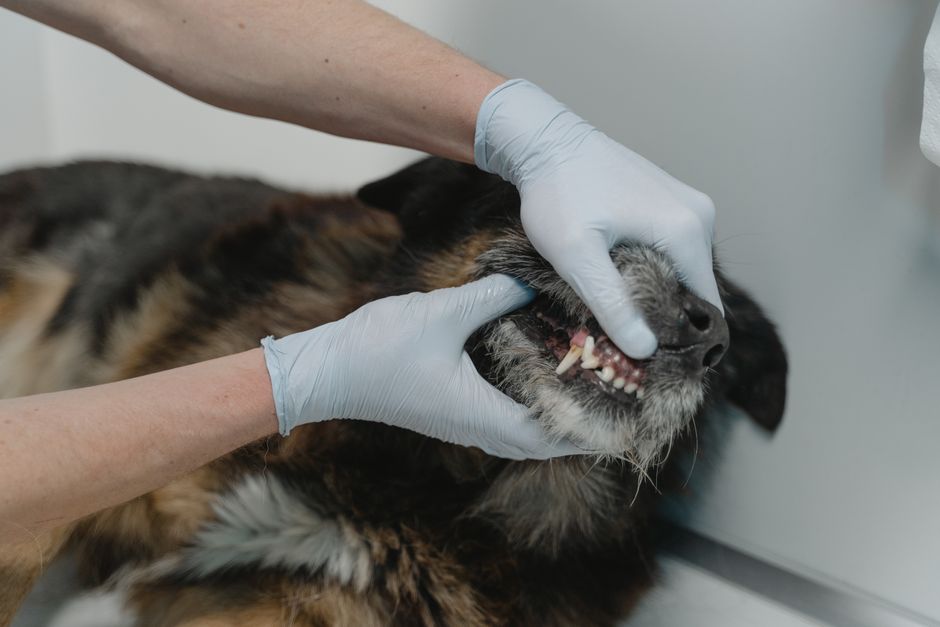
A professional dental cleaning at our Grand Prairie facility is a thorough and safe process. First, your pet will receive a comprehensive physical exam to ensure they are healthy enough for anesthesia. During the cleaning, we will remove tartar and plaque using specialized instruments, polish the teeth to prevent future buildup, and inspect the mouth for hidden issues. Dental x-rays may be taken to assess the roots and jawbones, as many problems occur below the gumline. If any diseased or damaged teeth are found, extractions or other surgical treatments may be required for your pet’s comfort and long-term health. After the procedure, our team provides detailed aftercare instructions and helps you plan the next steps for ongoing dental health.
Preventing Dental Disease: Home Care Tips for Pet Owners
While professional dental care is essential, your role at home is equally important in maintaining your pet’s oral health. Regular tooth brushing is the gold standard for preventing plaque buildup. Using a pet-safe toothbrush and toothpaste, aim to brush your dog’s or cat’s teeth daily or as often as possible. For pets who resist brushing, dental wipes or dental diets approved by the Veterinary Oral Health Council can help reduce plaque. Dental chews and toys may provide additional benefits, but always choose products that are safe and appropriate for your pet’s size and chewing habits. Monitoring your pet for any changes in eating, drooling, or breath odor can help you catch problems early. Scheduling routine dental checkups and professional cleanings as recommended by your veterinarian ensures ongoing protection against dental disease. Our team is always available to demonstrate proper brushing techniques and recommend the best products for your pet’s individual needs.
Creating a Home Dental Care Routine
Building a consistent dental care routine at home can make a significant difference in your pet’s health. Start slowly, allowing your pet to become comfortable with having their mouth handled. Gradually introduce the toothbrush and toothpaste, rewarding your pet with praise or a favorite treat after each session. Some pets may never tolerate brushing every day, but even a few times a week can make an impact. If you are unsure where to begin, our veterinary professionals are happy to provide tips and demonstrations during your next visit to Sloan Animal Hospital.
When to Schedule a Veterinary Dental Visit
Knowing when to seek professional dental care for your pet is crucial. If you notice symptoms including persistent bad breath, red or bleeding gums, loose or missing teeth, swelling around the mouth, difficulty eating, or unexplained changes in behavior, it is time to schedule an appointment. Even if your pet is not currently showing signs of dental disease, routine checkups are essential, as many issues progress without obvious symptoms. At Sloan Animal Hospital, we recommend annual dental evaluations for most pets, with more frequent visits for those at higher risk. Waiting too long can lead to pain, infection, and even systemic health problems affecting the heart, kidneys, and liver. If you are searching for a "vet near me" who prioritizes dental health, our experienced veterinary team in Grand Prairie is here to help. Prompt care can make all the difference in your pet’s comfort and quality of life.
Keeping Your Pet Smiling: Take the Next Step for Dental Health
Your pet’s oral health is a vital part of their overall wellness, and September is an ideal time to review your dental care routine. By staying alert to early signs of dental disease, understanding the causes, and working with your veterinarian for regular cleanings and checkups, you can help your dog or cat enjoy a healthier, happier life. Our team at Sloan Animal Hospital is committed to providing compassionate, high-quality dental care for pets throughout Grand Prairie and surrounding communities. If you are ready to schedule a dental cleaning, have questions about home care, or need a thorough dental evaluation, we invite you to contact us today at (214) 412-2462 or visit our Grand Prairie location. Our veterinary professionals are here to answer your questions and provide personalized recommendations. For more information about our pet dental cleaning services, explore our website or ask about our preventive care options during your next appointment. Let us help your pet smile brighter this September and beyond.
This blog is intended for informational purposes only and does not replace professional veterinary care. If you have concerns about your pet’s health or notice any troubling symptoms, please consult your veterinarian promptly.