
Why Is My Dog Scratching? Common Causes in Grand Prairie


Why Is My Dog Scratching? Common Causes in Grand Prairie
Is your dog constantly scratching, keeping you up at night or making you wonder if something is wrong? You are not alone; many pet owners in Grand Prairie and surrounding communities notice increased itching in their dogs, especially during warmer months. While the occasional scratch is normal, persistent or intense dog scratching can signal an underlying health issue that deserves attention. At Sloan Animal Hospital , our veterinary team understands how frustrating and concerning this can be. In this guide, we will explore the most common reasons for dog scratching, discuss what symptoms to watch for, and offer practical tips for soothing your dog’s skin. We will also cover how our veterinarians diagnose and treat these issues right here in Grand Prairie. If you are searching for answers about why your dog is scratching, read on to discover how you can help your pet feel comfortable again.
How to Recognize When Dog Scratching Means Trouble
Every dog scratches occasionally, but not all itching is the same. Understanding the difference between normal and concerning scratching is the first step toward protecting your dog’s health. If you notice your dog scratching more than usual, especially if it is interfering with sleep, play, or daily activities, it could be a sign something is wrong. Common warning signs include frequent licking or chewing of the paws, rubbing the face against furniture or carpet, and biting or pulling at the skin. Additionally, you may observe red, inflamed skin, hair loss, scabs, or a noticeable odor coming from your dog’s coat. Some dogs might even become irritable or restless due to the constant discomfort. If your dog is showing any of these behaviors, it is time to consider what might be causing their discomfort and whether a visit to your veterinarian is needed.
Understanding the Causes of Dog Scratching in Grand Prairie
Dog scratching can arise from a variety of causes, and the specific triggers may vary by season, environment, or even your dog’s breed. In Grand Prairie, some of the most common culprits include environmental allergies, parasites, skin infections, and underlying health conditions.
Allergies: Pollen, Food, and More
Many dogs living in North Texas are prone to environmental allergies due to pollen, grasses, and molds that are abundant in the area, especially during spring and summer. Symptoms of allergies often include persistent scratching, licking at the paws, watery eyes, and sneezing. Food allergies can also cause similar skin reactions; common triggers include proteins like chicken, beef, or dairy products. Unlike environmental allergies, food-related issues often result in year-round symptoms.
Fleas, Ticks, and Mites
Parasites are a leading cause of dog scratching. Fleas thrive in the warm, humid climate of Grand Prairie, and even a single bite can trigger a severe allergic reaction in sensitive dogs. Ticks are common in grassy or wooded areas and may lead to localized irritation or even transmit diseases. Mites, such as those causing mange, can result in intense itching, hair loss, and crusty skin. Preventing these parasites is essential for your dog’s comfort and overall well-being. For more information on parasite prevention, the Companion Animal Parasite Council is an excellent resource.
Skin Infections and Hot Spots
Secondary skin infections, including bacterial and yeast infections, often develop when dogs scratch or chew at their skin excessively. These infections can cause redness, swelling, and moist, oozing areas known as hot spots. Hot spots may appear suddenly and quickly become painful if not addressed. If you notice an area of your dog’s skin that is raw, warm to the touch, or has a foul smell, it is important to consult your veterinarian.
Other Causes: Dry Skin, Hormonal Imbalances, and More
Dry air, especially during the winter months or when using indoor heating, can lead to flaky, itchy skin in dogs. Hormonal imbalances, such as thyroid disease, can also contribute to chronic skin problems and persistent scratching. Less commonly, certain medications or underlying medical conditions may be to blame. Your veterinarian will consider your dog’s full medical history and environment when determining the cause of the scratching.
How Veterinarians Diagnose and Treat Dog Scratching
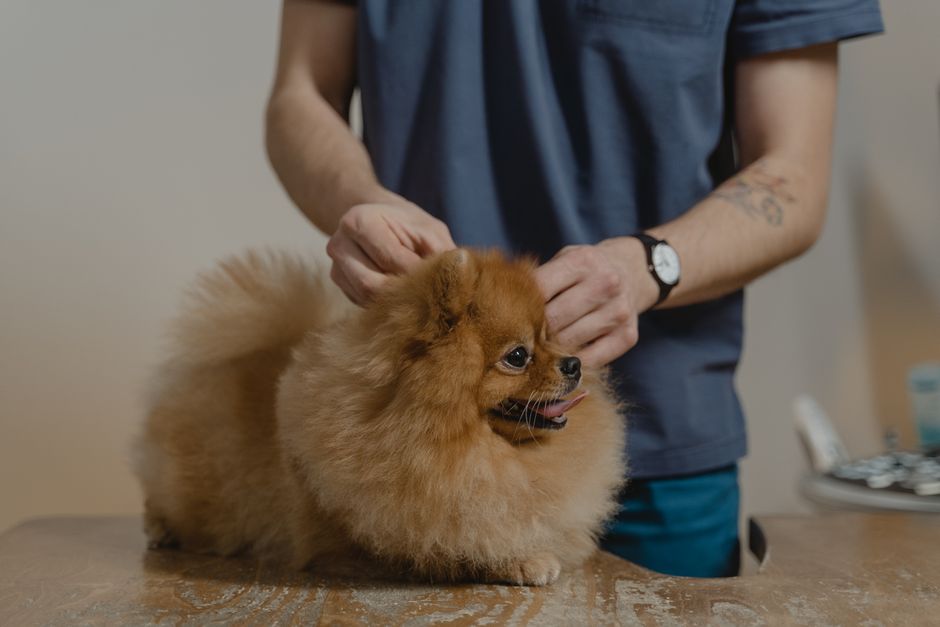
When your dog visits Sloan Animal Hospital for excessive scratching, our veterinary team begins with a thorough physical examination. We will ask about your dog’s recent activities, diet, preventive care, and any changes in their home environment. Skin scrapings, cytology, and flea combing are common diagnostic tools to identify parasites or infections. In some cases, allergy testing or bloodwork may be recommended to pinpoint the underlying issue.
Treatment depends on the cause of your dog’s scratching. For flea or tick infestations, our veterinarians may recommend prescription-strength preventives and environmental control measures. Allergies may be managed through antihistamines, medicated shampoos, or even long-term allergy injections. If a skin infection is present, topical or oral antibiotics or antifungals may be prescribed. Our dermatology services for pets are designed to address a wide range of skin problems, from mild irritations to complex allergic conditions.
For more complex cases, we may utilize our in-house diagnostic laboratory services for pets to quickly analyze samples and determine the most effective treatment plan. Throughout the process, our veterinarians will work closely with you to ensure your dog receives the best possible care.
Home Care and Prevention: Keeping Your Dog Comfortable
While veterinary care is crucial for resolving the root cause of dog scratching, there are several steps you can take at home to help soothe your dog’s skin and prevent future problems. Regular bathing with a gentle, dog-friendly shampoo can help remove allergens and calm irritated skin; however, overbathing can strip natural oils, so moderation is key. Maintaining a consistent flea and tick prevention routine year-round is especially important in the Grand Prairie climate, where parasites are a constant threat.
Cleaning your dog’s bedding and vacuuming your home frequently reduces exposure to allergens and helps keep fleas at bay. If your dog has known food allergies, work with your veterinarian to select a diet that avoids common triggers. For dogs with dry skin, consider using a humidifier during the winter months to add moisture to the air. Omega-3 fatty acid supplements, when recommended by your veterinarian, can also improve skin health and reduce inflammation.
Encouraging your dog to avoid excessive licking or scratching is important; providing enrichment activities, toys, or even using an Elizabethan collar for short periods may help break the itch-scratch cycle while you address the underlying issue.
When to Seek Veterinary Care for Dog Scratching
Some cases of dog scratching can be managed at home with preventive care and environmental changes, but it is essential to know when professional help is necessary. If your dog has raw, bleeding, or infected skin, is losing hair, or seems to be in pain, prompt veterinary attention is needed. Additional signs that warrant a visit include persistent scratching lasting more than a few days, signs of fleas or ticks that do not resolve with over-the-counter treatments, or any changes in your dog’s appetite, behavior, or overall health.
Never attempt to use human medications or home remedies without veterinary guidance, as some substances can be toxic to dogs. If you suspect your dog has ingested something harmful, contact the ASPCA Animal Poison Control for immediate advice.
If you are concerned about your dog’s scratching, our veterinary team at Sloan Animal Hospital is ready to help. We offer wellness and pet examination services to identify and treat the root cause of your dog’s discomfort. Scheduling an appointment ensures your dog receives a thorough assessment and the right treatment plan for their needs.
Your Partner in Managing Dog Scratching in Grand Prairie
Dog scratching is more than just an annoyance; it can be a sign of a deeper health issue that requires compassionate, professional care. Whether your dog is dealing with seasonal allergies, fleas, or a stubborn skin infection, Sloan Animal Hospital is dedicated to helping your pet find relief. Our veterinarians combine advanced diagnostics, personalized treatment plans, and a commitment to preventive care to ensure your dog’s comfort all year long.
If you are searching for a "vet near me" who understands the unique needs of dogs in Grand Prairie and surrounding communities, we encourage you to reach out to our team. To schedule an appointment or discuss your dog’s scratching with our veterinary professionals, call (214) 412-2462 or visit us at Grand Prairie, TX 75052. For more information about our approach to skin health, explore our dermatology services for pets. We look forward to being your trusted partner in your dog’s lifelong health and happiness.