
Dog Scratching in Grand Prairie: Causes and Solutions


Dog Scratching in Grand Prairie: Causes and Solutions
Is your dog scratching more than usual this spring in Grand Prairie? If your furry friend keeps you up at night with constant itching or you notice them chewing and licking at their skin, you are not alone. Dog scratching is one of the most common reasons pet owners visit Sloan Animal Hospital , especially during allergy season. As temperatures warm up and plants bloom in Grand Prairie and surrounding communities, allergies, parasites, and skin irritations can quickly become a concern for local dogs. In this blog, we will help you better understand why your dog might be scratching, what signs to watch for, and how our veterinary team can help your pet feel comfortable and itch-free again. We will also discuss when it's time to schedule an appointment with our veterinarians and what steps you can take at home to support your dog’s skin health.
Recognizing the Signs: When Dog Scratching Is a Problem
All dogs scratch occasionally, but when does normal itching turn into something you should worry about? Persistent dog scratching can disrupt your pet’s sleep, affect their mood, and even cause sores or hair loss. Signs that your dog’s scratching may be a problem include frequent licking or chewing at the same spot, red or inflamed skin, patches of missing fur, scabs or sores, and restlessness or irritability. If you notice any of these symptoms, especially if they seem to worsen over days or your dog seems uncomfortable, it may be time to seek help from your veterinary team. Dogs can also develop ear infections or hot spots as a result of excessive scratching, which can be painful and require timely treatment. Be aware that some dogs try to hide their discomfort, so subtle changes in behavior such as increased grooming, hiding, or changes in appetite may also be warning signs that something is wrong.
Why Is My Dog Scratching? Common Causes in Grand Prairie
Understanding the reasons behind dog scratching is key to finding the right solution. In Grand Prairie, the most common culprits include environmental allergies, parasites such as fleas, food sensitivities, and underlying skin conditions.
Environmental Allergies
Just like people, dogs can be allergic to pollen, grasses, mold, and dust mites. Spring and early summer bring a surge in plant growth, which means pollen counts tend to spike. Dogs who are allergic to these substances often show signs such as scratching, licking their paws, watery eyes, sneezing, or recurring ear infections. Seasonal allergies are particularly noticeable in dogs who spend a lot of time outdoors.
Parasites: Fleas, Ticks, and Mites
Tiny pests like fleas, ticks, and mites are a major cause of itching and scratching in dogs. Flea saliva is a common allergen for dogs, and even a single bite can set off intense scratching or a skin reaction. Ticks and mange-causing mites can also lead to severe irritation. These parasites are more active in warmer months, but indoor pets are not immune; fleas can hitch a ride on people or other animals. For more information on how parasites can affect your pet, visit the Companion Animal Parasite Council.
Food Allergies and Sensitivities
For some dogs, food ingredients such as beef, chicken, dairy, or grains can trigger allergic reactions that appear as skin problems rather than digestive upset. If your dog’s itching persists year-round or seems unrelated to time spent outdoors, food allergies may be to blame. Symptoms can include recurring ear infections, chronic licking, and gastrointestinal issues alongside scratching.
Skin Infections and Other Conditions
Bacterial and yeast infections often develop as a result of scratching, creating a cycle of irritation and more itching. Dogs with underlying health conditions like hypothyroidism or autoimmune disorders may also be more prone to skin problems. Additionally, contact with certain chemicals, plants, or grooming products can cause localized reactions.
Diagnosing the Cause: How Your Veterinarians Can Help
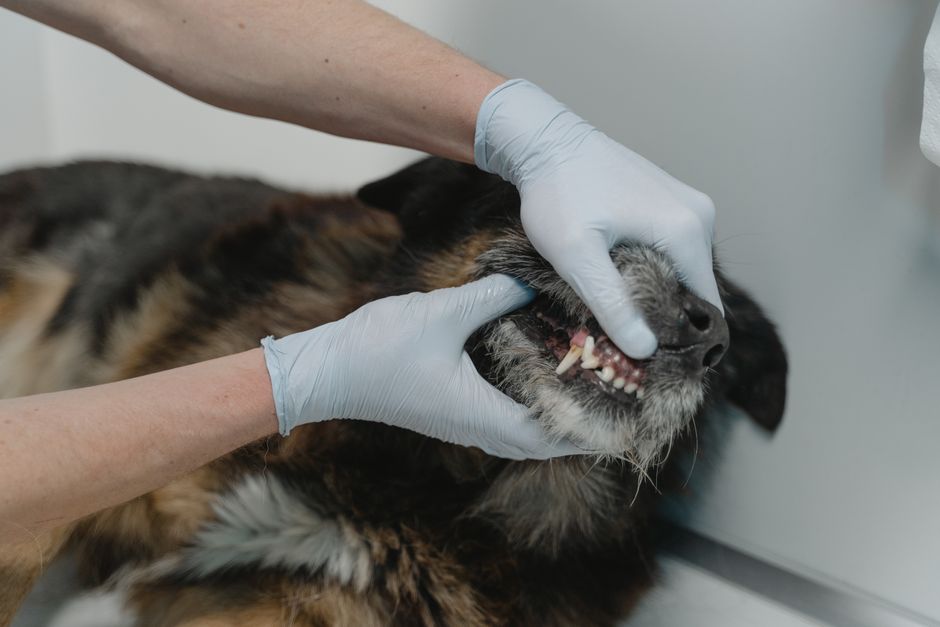
Getting to the root of your dog’s scratching involves more than just treating the symptoms. Our team of veterinarians at Sloan Animal Hospital will start with a thorough physical examination and a detailed health history. During your visit, we may ask about your dog’s diet, environment, recent activities, and any new products or foods introduced at home. In some cases, additional testing is needed to confirm the diagnosis.
Diagnostic Tools and Tests
We may recommend skin scrapings, tape impressions, or cultures to look for parasites or infections. Blood tests can help identify underlying health issues, while allergy testing may be useful for chronic cases. Our in-house pet diagnostic lab allows us to quickly analyze samples and provide answers, so your dog can start feeling better sooner.
If your dog’s scratching appears to be related to a skin issue, our dermatology services are designed to diagnose and treat a wide range of conditions, from allergies to chronic infections.
Treatment Options for Dog Scratching in Grand Prairie
Once we have identified the cause, treatment will be tailored to your dog’s specific needs. Treatment approaches involve a combination of medications, topical therapies, and changes to diet or environment.
For dogs with allergies, options may include antihistamines, medicated shampoos, or prescription diets. Dogs suffering from flea infestations will benefit from effective parasite control, which may involve oral or topical preventives. Infections are typically addressed with antibiotics, antifungal medications, or special bathing solutions. For chronic cases, long-term management plans can help reduce flare-ups and improve your dog’s quality of life.
If your dog’s scratching is related to food sensitivities, our veterinarians may recommend an elimination diet trial to pinpoint and remove allergens. Sometimes, additional therapies such as omega-3 supplements or prescription skin medications are needed to support healing.
Throughout the process, we will monitor your dog’s progress, adjust treatments as needed, and work closely with you to ensure lasting relief for your pet.
Home Care and Prevention: Keeping Your Dog Comfortable
While professional veterinary care is essential, there are several steps you can take at home to support your dog’s skin health and prevent future episodes of scratching. Regular grooming helps remove dirt, pollen, and loose fur, while frequent checks for fleas and ticks are important, especially after walks or time spent outdoors. Using a veterinarian-recommended parasite preventive year-round can greatly reduce the risk of infestations.
For dogs with allergies, wiping paws and fur after outdoor play can help limit exposure to pollen. Choosing hypoallergenic shampoos and avoiding harsh chemicals in your home can also make a difference. If your dog is on a special diet, stick to the recommended foods and treats to avoid accidental exposure to allergens.
Keeping your dog’s skin clean and dry, providing a balanced diet, and maintaining regular wellness visits are essential components of prevention. Our veterinarians are happy to provide advice on the best products and routines for your dog’s unique needs.
When to Seek Veterinary Care for Dog Scratching
It can be difficult to know when home remedies are enough and when it is time to call your veterinarian. You should schedule an appointment if your dog’s scratching is constant or severe, if you notice bleeding, sores, or hair loss, or if your dog seems distressed or in pain. Other reasons to seek help include persistent ear infections, changes in appetite or behavior, or if home care has not improved your dog’s symptoms after a few days.
Some conditions, like severe allergic reactions or rapidly spreading skin infections, can become emergencies. If your dog is experiencing facial swelling, difficulty breathing, or sudden lethargy, contact our veterinary team immediately. Our emergency veterinary care is available for urgent situations to ensure your pet gets the help they need when it matters most.
As always, our commitment is to provide comprehensive care and ongoing support for your pet’s health. If you are unsure whether your dog’s scratching requires a veterinary visit, it is always safer to reach out and ask.
Supporting Your Dog’s Skin Health in Grand Prairie and Beyond
Dog scratching can be frustrating for both you and your pet, but effective solutions are within reach. By working together with our veterinary professionals at Sloan Animal Hospital , you can help your dog find lasting relief from itching and discomfort. Remember that early intervention can prevent complications and keep your pet happy all year long.
If your pet is struggling with dog scratching or any other skin issues, our veterinarians are here to help. Schedule an appointment by calling (214) 412-2462 or visiting us at Grand Prairie, TX 75052. For more information on our approach to skin health and allergy management, explore our specialized dermatology services.
When searching for a vet near me, look for a clinic that puts your pet’s comfort and wellbeing first. At Sloan Animal Hospital , we are dedicated to providing attentive, personalized care for every pet in Grand Prairie and the surrounding communities. Let us help your dog get back to enjoying life—itch-free and happy.
Disclaimer: This article is intended for educational purposes only and does not replace professional veterinary advice. If your dog is experiencing severe or persistent symptoms, consult your veterinarian promptly for diagnosis and treatment.