
How to Maintain Your Pet’s Dental Health This Fall

How to Maintain Your Pet’s Dental Health This Fall
As the leaves start to change and the cooler weather settles in around Grand Prairie, you may notice that your dog or cat’s breath is a little less than pleasant. Fall is an ideal time to pay extra attention to your pet’s dental health, especially after a long, treat-filled summer. At Sloan Animal Hospital, located at 2942 West Camp Wisdom Rd, Grand Prairie, TX 75052, our veterinary team is dedicated to helping you keep your pet’s teeth and gums healthy all year long. In this blog, we’ll explore why dental care is so important for dogs and cats, what signs indicate dental trouble, how to manage dental health at home, and when it’s time to schedule a professional dental cleaning with our veterinarians. Whether you live in Grand Prairie or the surrounding communities, you’ll find practical tips and expert advice to keep your pet’s smile bright this fall.
Recognizing Dental Problems in Pets: Signs Every Owner Should Know
Many pet owners are surprised to learn just how common dental disease is in dogs and cats. By age three, most pets have some degree of dental or periodontal disease, which can cause discomfort and lead to more serious health issues if left untreated. Unfortunately, pets are experts at hiding pain, so it’s important to recognize the subtle signs that something may be wrong with your pet’s mouth.
Key symptoms of dental disease in pets include persistent bad breath, red or swollen gums, visible tartar buildup, and reluctance to eat crunchy food or chew toys. You might also notice your pet pawing at their mouth, drooling excessively, or even dropping food from their mouth while eating. In severe cases, pets may develop loose or missing teeth, oral bleeding, or swelling around the face. If you notice your dog’s breath has become especially foul, you can read more about when to see a veterinarian about bad breath in dogs, or if your cat is drooling or has similar symptoms, learn about when to see a veterinarian about excessive drooling in cats.
Dental disease can impact more than just your pet’s mouth. Bacteria from infected gums and teeth can enter the bloodstream, potentially affecting the heart, liver, and kidneys. Regularly checking your pet’s mouth and being aware of changes in their eating habits, breath, or behavior is the first step toward protecting their overall health.
Why Do Dental Problems Develop in Dogs and Cats?
Understanding the causes of dental disease in pets can help you take proactive steps to prevent it. Plaque, a sticky film made up of bacteria, naturally forms on your pet’s teeth after eating. If not removed through chewing or brushing, plaque hardens into tartar, which can irritate the gums and lead to gingivitis and eventually periodontitis. The risk of dental disease increases with age, but even young pets can develop oral problems if their teeth aren’t cared for properly.
Breed and genetics also play a role; small dog breeds and certain cats are more prone to dental disease due to crowded teeth or jaw structure. Diet is another factor, as pets who eat mostly soft foods may not experience the natural cleaning effect that comes from chewing dry kibble or dental treats. Additionally, pets that do not receive regular dental care—whether at home or from a veterinarian—are at a much higher risk for developing significant dental issues.
Changes in the weather and routines can also influence dental health. Fall often brings about more time spent indoors and changes in diet or treats, which may mean fewer opportunities for your pet to chew and clean their teeth naturally. Cooler weather can also make pets less active, so it’s a great time to focus on oral hygiene as part of your pet’s overall wellness routine.
Professional Dental Care: What to Expect at Sloan Animal Hospital
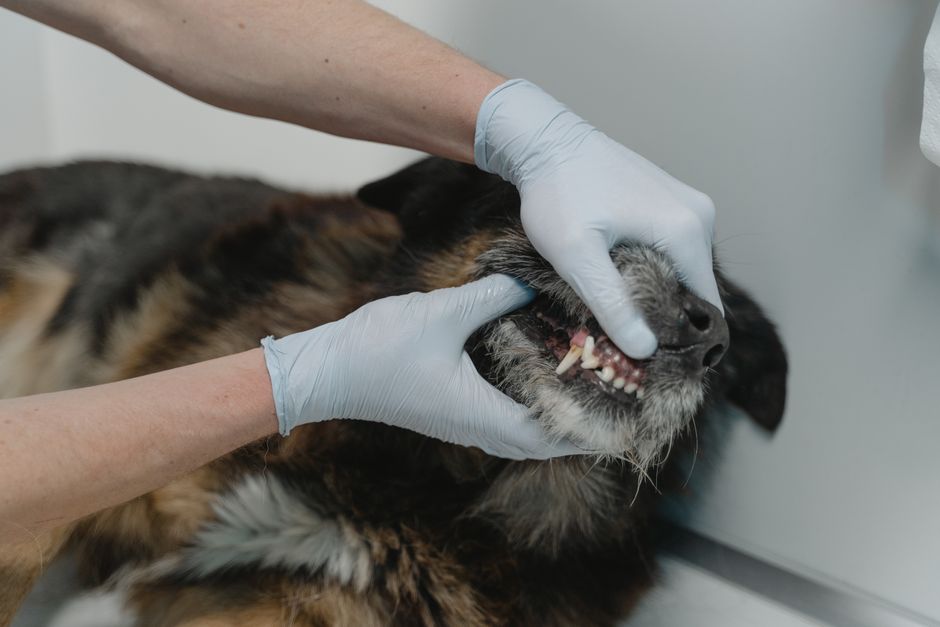
While daily home care is essential, professional dental cleanings are the gold standard for keeping your pet’s mouth healthy. At Sloan Animal Hospital, our veterinarians provide thorough dental examinations and cleanings in a safe, controlled environment. During a dental cleaning, your pet is placed under anesthesia for their comfort and safety. The veterinary team will carefully remove plaque and tartar from above and below the gum line, polish the teeth, and check for hidden problems such as loose teeth or exposed roots.
If dental disease is detected, additional treatments may be recommended. These can include dental radiography, which allows our veterinary professionals to see below the gum line and assess the health of tooth roots and surrounding bone. In some cases, pets may need oral surgery or tooth extractions to remove severely damaged teeth and restore comfort. You can learn more about our professional dental cleaning services for pets, as well as dental radiography and dental radiographs for pets on our website.
Regular professional cleanings not only improve your pet’s oral health but also help detect issues early, reducing the likelihood of painful or expensive procedures down the road. Our team recommends annual dental evaluations for most dogs and cats, but some pets—especially those with a history of dental disease—may benefit from more frequent visits.
Home Dental Care: Simple Steps for a Healthier Smile
Maintaining your pet’s dental health between professional cleanings is just as important as the cleaning itself. Daily or at least frequent brushing is one of the most effective ways to remove plaque and prevent tartar buildup. Use a toothbrush and toothpaste specifically designed for pets, as human toothpaste can be harmful to dogs and cats. Start slowly, letting your pet get used to the sensation and taste, and gradually work up to brushing all of their teeth.
In addition to brushing, there are dental chews, treats, and water additives formulated to help reduce plaque and freshen breath. Look for products approved by the Veterinary Oral Health Council (VOHC) for safety and effectiveness. Offering your pet safe chew toys can also help clean their teeth and provide mental stimulation.
A consistent diet of high-quality pet food, preferably with a kibble texture that promotes chewing, can further support dental health. Try to avoid feeding table scraps or sugary treats, as these can contribute to plaque formation. Monitor your pet for any changes in their eating habits, drooling, or breath, and inspect their mouth periodically for signs of redness, swelling, or tartar.
If you’re unsure about which products are best for your dog or cat, our veterinarians at Sloan Animal Hospital are happy to offer recommendations during your next visit. Incorporating dental care into your daily routine doesn’t have to be time-consuming; even a few minutes a day can make a significant difference in your pet’s health and happiness.
When Should You Schedule a Professional Dental Cleaning?
Knowing when to seek professional veterinary care is crucial for preventing serious dental problems in your pet. If you notice persistent bad breath, red or bleeding gums, visible tartar or discoloration, difficulty eating, or any signs of pain or discomfort, it’s time to schedule a dental examination. Don’t wait until your pet is obviously uncomfortable; many pets endure dental pain silently.
Other situations that warrant a visit to the veterinarian include loose or missing teeth, swelling of the face or jaw, oral bleeding, or sudden changes in behavior. Infections in the mouth can quickly become serious and may require prompt treatment. If you have concerns about your dog’s breath, explore our resource on when to see a veterinarian about bad breath in dogs, or if your cat is drooling, refer to when to see a veterinarian about excessive drooling in cats.
Our veterinary team recommends annual dental checkups for all pets, but for those with a history of dental issues, more frequent visits may be advised. If you’re ever unsure, it’s always best to err on the side of caution and reach out to your veterinarian for guidance.
Why Fall Is the Perfect Time for Pet Dental Care
The transition into fall is an excellent opportunity to focus on your pet’s dental health. With the hustle and bustle of summer behind us and the holidays on the horizon, taking time now to schedule a dental evaluation can help prevent emergencies and ensure your pet is comfortable for the months ahead. Cooler weather often means more time spent indoors, making it easier to establish new routines for brushing and oral care.
Additionally, fall is a common time for pets to experience changes in their environment, such as new foods or increased treat consumption. Addressing dental care now can help head off issues before they become severe. Our veterinary professionals at Sloan Animal Hospital are here to support your efforts every step of the way, from providing at-home care advice to performing comprehensive dental cleanings and advanced oral surgery when needed.
Your Local Partner for Pet Dental Health in Grand Prairie
Maintaining your pet’s dental health is a team effort, and at Sloan Animal Hospital, we’re committed to making it as easy and stress-free as possible. From thorough dental exams and cleanings to expert advice on at-home care, our veterinary team is here to help your dog or cat enjoy a healthy, pain-free smile all year long.
If you’re searching for a veterinarian near me who truly cares about your pet’s wellbeing, look no further than our team at 2942 West Camp Wisdom Rd, Grand Prairie, TX 75052. We welcome pet owners from Grand Prairie and surrounding communities, and we encourage you to schedule an appointment for a dental checkup or cleaning this fall. Call us at (214) 412-2462 or book online to give your pet the gift of a healthy mouth and a happier life.
For more information about our dental services, be sure to visit our pages on professional dental cleaning services for pets and dental radiography and dental radiographs for pets.
At Sloan Animal Hospital, we look forward to being your trusted partner in pet dental health this fall and beyond.