
How to Prepare Your Pets for Back-to-School Routine Changes


How to Prepare Your Pets for Back-to-School Routine Changes
As September arrives in Grand Prairie and the school year begins, families often experience big shifts in their daily routines. While these changes are part of every new academic season, your pets—whether a loyal dog or a curious cat—can be deeply affected by the sudden quiet of an empty house and the absence of their favorite people. Many pet owners notice their pets acting differently when schedules change, and separation anxiety, boredom, or stress can set in quickly if not addressed. At Sloan Animal Hospital, located at 2942 West Camp Wisdom Rd, Grand Prairie, TX 75052, our veterinary team understands how important it is to help your pets adjust smoothly to the back-to-school transition. In this guide, we will explore common signs of stress in pets during routine changes, what causes these behaviors, how you can help your pets cope, and when it is time to reach out for professional veterinary support. Whether you are preparing for school drop-offs or adjusting to new work routines, we are here to ensure your pets stay healthy, comfortable, and happy all season long.
Recognizing Signs of Stress and Anxiety in Pets
When school starts and the house empties out, pets may show subtle or dramatic changes in behavior. Key symptoms of stress and anxiety in dogs and cats include increased vocalization such as barking, whining, or meowing, destructive behaviors like chewing or scratching, changes in appetite, house soiling, pacing, or excessive grooming. Some pets may become clingier, following you from room to room before you leave, while others withdraw and hide. Additionally, you might notice your pet waiting anxiously at the door or window throughout the day. Cats can display stress by urinating outside the litter box or showing a lack of interest in play. Dogs might resort to digging, shredding pillows, or even attempting to escape the yard. If these behaviors begin soon after the family’s routine changes, your pet is likely feeling the shift and needs support.
Why Routine Changes Affect Pets
Dogs and cats thrive on predictability. Their understanding of time is closely tied to household patterns—feeding, walks, playtime, and the presence of their favorite people. When school resumes, the sudden absence of children and adults during the day, new wake-up times, and altered meal or play schedules can leave pets confused or anxious. For some pets, especially those adopted during summer or over periods of constant human presence, the contrast of an empty home can be especially jarring. The stress can be compounded if pets have a history of separation anxiety, previous abandonment, or if multiple changes occur at once, such as moving or introducing new family members. Environmental factors in Grand Prairie, like hot weather limiting outdoor activity, can also contribute to restlessness or boredom when pets are left alone indoors.
Helping Your Pets Adjust to Back-to-School Changes
Easing your pets into the new routine can make a world of difference. Begin by gradually acclimating your dog or cat to periods of solitude before the schedule changes fully. Practice short departures, leaving your pet in a safe, comfortable area with toys or puzzle feeders to keep them occupied. Gradually increase the time you spend away to help your pet learn that being alone is temporary and safe. For pets who thrive on companionship, interactive toys, treat-dispensing devices, or even leaving a radio or TV on low volume can provide comforting background noise.
Maintain consistent feeding and exercise routines as much as possible, even with new school schedules. Morning walks or play sessions before leaving the house can help expend energy and reduce anxiety. If your schedule is too tight, consider professional pet boarding services for particularly anxious pets, so they receive companionship and stimulation during the day. For pets with more severe anxiety, our veterinary team can provide guidance on behavior modification strategies or, in some cases, discuss appropriate medical options.
Preventing Separation Anxiety and Promoting Well-Being
Taking proactive steps to prevent separation anxiety is crucial for your pet’s well-being. Ensuring that your pet’s physical and emotional needs are met goes beyond just providing food and water. Provide enrichment by rotating toys, introducing new scents or sounds, and offering opportunities for independent play. For dogs, regular walks, training sessions, and positive reinforcement when calm behaviors are exhibited can go a long way. For cats, window perches, climbing trees, and interactive play encourage both exercise and mental stimulation.
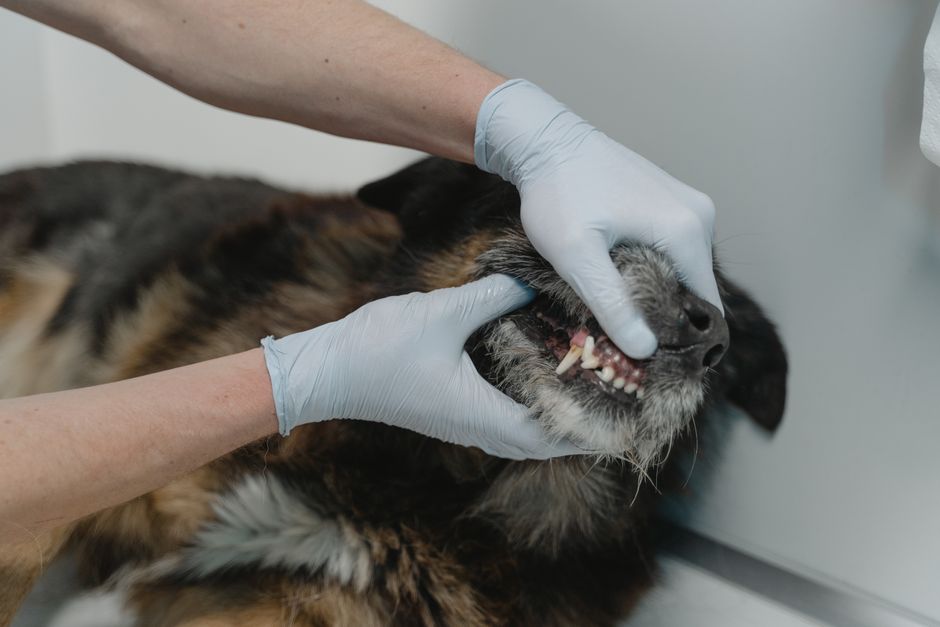
If your pet is due for a checkup, a wellness examination can help rule out any underlying health problems that might contribute to anxiety or behavioral changes. Sometimes what appears as separation anxiety could be linked to medical conditions such as urinary tract infections in cats or digestive issues in dogs. Our veterinary team can help you address these concerns and provide advice tailored to your pet’s unique needs.
When to Seek Veterinary Care for Your Pet
While some adjustment is normal during routine changes, there are times when professional help is needed. If your pet’s anxiety results in self-injury, persistent vomiting or diarrhea, refusal to eat for more than a day, excessive vocalization, or destructive behavior that poses a risk to themselves or your home, it is important to schedule an appointment with a veterinarian. Our team at Sloan Animal Hospital can evaluate your pet for medical or behavioral issues and recommend appropriate treatment options.
For urgent concerns, such as sudden lethargy, collapse, seizures, or signs of severe distress, do not wait; seek emergency veterinary care right away to ensure your pet receives immediate attention. Early intervention can prevent minor issues from becoming more serious and protect your pet’s health and safety.
Supporting Your Pet Through Every Season
Back-to-school time is a transition for the whole family, pets included. With preparation and understanding, you can help your dog or cat adjust to new routines and prevent stress-related problems before they start. Remember, gradual changes, enrichment, and maintaining a consistent schedule can make a world of difference for your pet’s emotional health.
If you need guidance on supporting your pet during this busy season, or if you are searching for a "vet near me" who understands the unique needs of local pets, Sloan Animal Hospital is here for you. Schedule an appointment with our compassionate veterinary professionals by calling (214) 412-2462, or visit us at 2942 West Camp Wisdom Rd, Grand Prairie, TX 75052. Our team is committed to providing comprehensive care, from preventive wellness visits and vaccinations to emergency veterinary care and pet boarding services when you need extra support. Let us help your pets thrive, no matter how your family’s schedule changes this school year.
Disclaimer: This blog is for informational purposes only and should not replace professional veterinary advice. Always consult with your veterinarian regarding your pet’s health, behavior, or any concerns you may have.