
Why Annual Pet Checkups Matter in Grand Prairie

Why Annual Pet Checkups Matter in Grand Prairie
As a pet owner in Grand Prairie, you want the very best for your dog or cat. But with busy schedules and pets who seem healthy, you might wonder if bringing your pet in for an annual pet checkup is truly necessary. The truth is, yearly veterinary exams are a cornerstone of lifelong health for your furry family members. At Sloan Animal Hospital , our team of veterinarians is dedicated to helping your pets live longer, healthier, and happier lives. In this guide, we will explore why annual checkups matter for dogs and cats in Grand Prairie, what you can expect during a visit, how these exams catch health issues early, and the role of preventive care in your pet’s overall wellbeing.
Whether you’re a new pet owner or have shared years with your companion, understanding the value of an annual pet checkup is key to ensuring ongoing vitality and comfort. We’ll also discuss how our comprehensive services—including wellness examinations, diagnostic testing, and personalized care—support pets throughout Grand Prairie and surrounding communities.
How to Recognize When Your Pet Needs an Annual Pet Checkup
It’s easy to assume that if your dog is playful or your cat is eating normally, there’s little reason for concern. However, many illnesses and health changes develop quietly, with subtle signs that may go unnoticed at home. The value of an annual pet checkup lies in its ability to detect issues before they advance into more serious problems.
Some signs that suggest your pet may be due for a checkup include changes in appetite, drinking more or less water, weight gain or loss, decreased activity, bad breath, difficulty chewing, coughing, sneezing, persistent scratching, or any new lumps or bumps. Behavior changes, such as hiding, irritability, or vocalizing more than usual, can also be signals that something isn’t right. Even healthy-appearing pets can harbor underlying problems; that’s why yearly exams are recommended for all dogs and cats, regardless of age or health status.
The Importance of Annual Pet Checkups: Understanding the Risks and Benefits
Why Do Pets Need Yearly Exams?
Unlike humans, pets cannot communicate when something feels off. Dogs and cats are instinctively wired to hide illness, which means subtle changes can be overlooked until a condition is advanced. Regular veterinary checkups allow our veterinary professionals to establish a baseline for your pet’s health and monitor for any changes over time.
Annual exams are crucial for catching issues such as dental disease, heart murmurs, early kidney or liver problems, skin conditions, or lumps that could be cancerous. By identifying these concerns early, we can intervene before they seriously impact your pet’s quality of life. Preventive care also plays a critical role in managing risks specific to our local environment, such as heartworm disease and tick-borne illnesses that are prevalent in the Grand Prairie area.
What Happens During a Yearly Vet Visit?
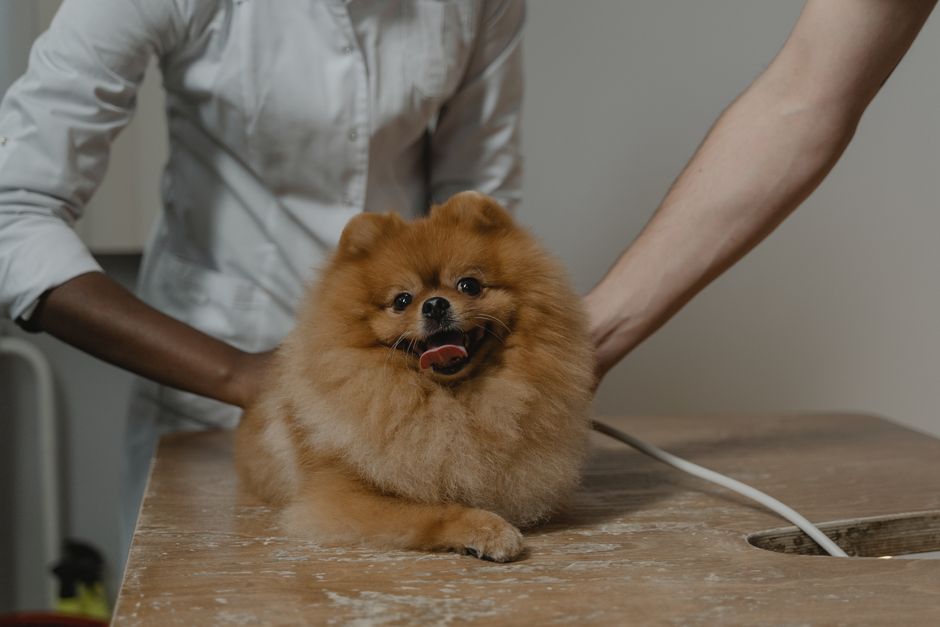
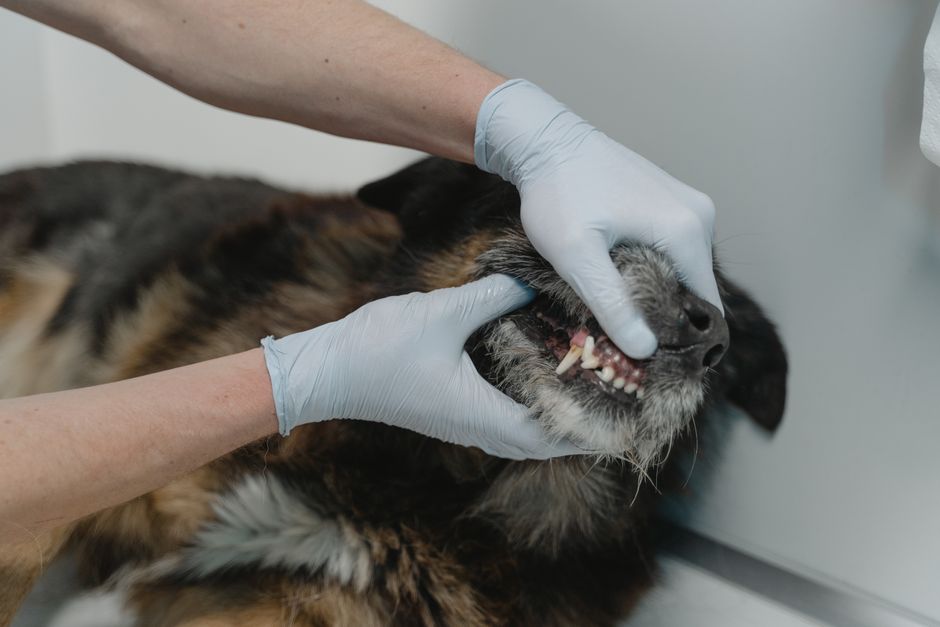
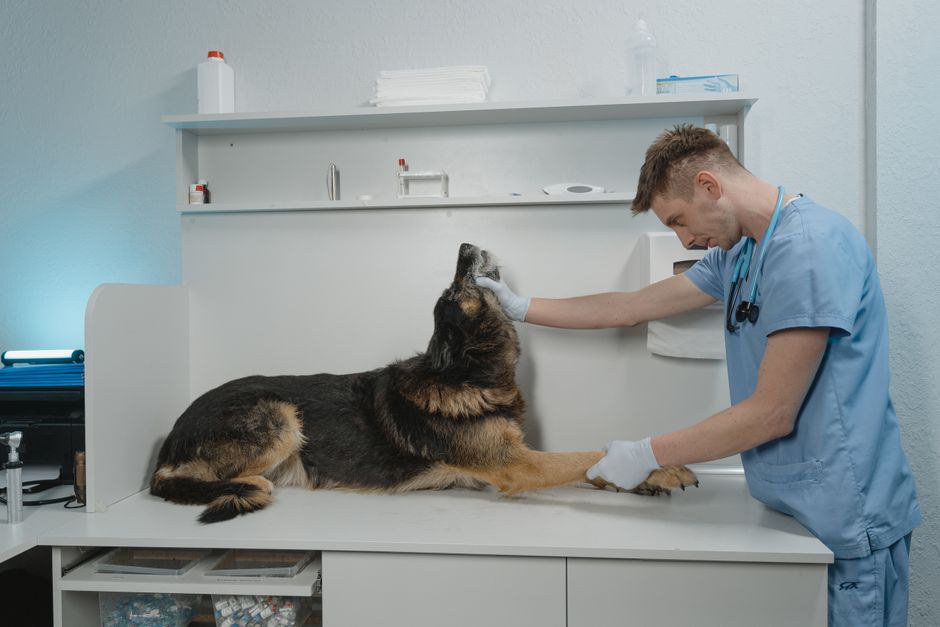
During an annual pet checkup at Sloan Animal Hospital , your pet receives a comprehensive evaluation from nose to tail. The exam typically includes a thorough physical assessment, listening to the heart and lungs, checking eyes, ears, teeth, and gums, palpating the abdomen, and evaluating joints and mobility. We’ll also discuss your pet’s lifestyle, nutrition, and any behavioral concerns you’ve noticed at home.
Depending on age and health history, our veterinary team may recommend pet diagnostic lab testing for internal health screening, as well as pet vaccinations tailored to your pet’s needs and exposure risks. If dental tartar or oral discomfort is noted, we may suggest a dental cleaning to prevent infection and tooth loss.
How Annual Exams Catch Problems Early and Protect Your Pet
The most significant benefit of annual pet checkups is early detection. Many conditions, from diabetes to arthritis, progress gradually. By examining your pet yearly, our veterinarians can spot shifts in weight, subtle heart changes, or the early stages of dental disease. Bloodwork and urine analysis further help us uncover hidden illnesses like kidney dysfunction or thyroid imbalances before symptoms are obvious at home.
For example, a routine exam might reveal mild tartar buildup, allowing us to recommend a dental cleaning before painful gum disease develops. Likewise, a heart murmur detected during a yearly visit can prompt additional diagnostics, giving your pet the best chance for effective treatment. Annual visits also offer the chance to update parasite prevention, which is especially important in Texas where mosquitoes and ticks are active much of the year.
Preventive Care: How Home Habits and Veterinary Visits Work Together
While yearly exams are vital, the partnership between pet owners and veterinary teams extends beyond the clinic. At home, maintaining a healthy diet, providing regular exercise, and monitoring for behavioral or physical changes all contribute to your pet’s wellbeing. Administering preventives for fleas, ticks, and heartworm is essential in our region; further information about parasite risks and recommendations can be found through resources like the American Heartworm Society and the Companion Animal Parasite Council.
Routine checkups provide an opportunity to discuss your pet’s unique needs, ask questions about nutrition or behavior, and create a long-term wellness plan. Whether you’re caring for a playful puppy, a curious kitten, or a senior pet, we’ll tailor our guidance to your companion’s age and lifestyle. This proactive approach leads to longer, healthier lives and helps you avoid more costly treatments down the line.
When to Seek Veterinary Care Outside of Annual Exams
While annual pet checkups are foundational, there are times when your pet needs prompt attention between scheduled visits. Warning signs that warrant a call to your veterinarian include vomiting or diarrhea lasting more than a day, sudden limping, difficulty breathing, severe lethargy, loss of appetite, frequent coughing, or any sign of pain. If your dog or cat experiences trauma, ingests a toxic substance, or exhibits neurological symptoms like seizures, seek emergency veterinary care immediately.
Remember, routine wellness visits are not a substitute for urgent care when your pet is acutely ill or injured. Our commitment at Sloan Animal Hospital is to provide both preventive and responsive care; if you are ever uncertain, our veterinary team is here to help guide you.
Why Sloan Animal Hospital Is Your Local Partner in Pet Wellness
Choosing a veterinary team you trust is just as important as scheduling regular care. At Sloan Animal Hospital , we pride ourselves on building lasting relationships with pets and their families. Our comprehensive approach includes thorough exams, advanced diagnostics, dental care, surgery, and personalized preventive medicine—all delivered with compassion and expertise.
Our location in Grand Prairie, TX 75052 allows us to serve pets from throughout the area, including nearby neighborhoods and surrounding communities. We understand the unique health challenges local pets face, from Texas heat to seasonal parasites, and tailor our recommendations accordingly. Whether your pet is due for a routine checkup, needs updated vaccines, or requires advanced diagnostics, we are equipped to provide the care your companion deserves.
Schedule Your Pet’s Annual Checkup with a Trusted Vet Near You
An annual pet checkup is more than just a yearly task—it’s a proven way to safeguard your dog or cat’s health, catch problems before they escalate, and ensure many happy years by your side. Our veterinary professionals at Sloan Animal Hospital are dedicated to making each visit comfortable, thorough, and informative. If you are searching for a veterinarian near me who puts your pet’s wellbeing first, look no further than our experienced team.
Ready to schedule your pet’s next exam? Book a wellness examination or use our convenient appointment scheduler today. For questions or to speak directly with our veterinary team, call (214) 412-2462. We look forward to partnering with you in ensuring a healthy future for your cherished companion.
Medical Disclaimer: This blog is for informational purposes only and does not replace professional veterinary care. Always consult your veterinarian for specific advice regarding your pet’s health.