
Dental Health for Pets: Signs Your Dog or Cat Needs a Vet Visit


Dental Health for Pets: Signs Your Dog or Cat Needs a Vet Visit
Caring for your dog or cat’s teeth is just as important as looking after their overall health. Many pet owners in Grand Prairie are surprised to learn that dental disease is one of the most common health issues affecting both dogs and cats. At Sloan Animal Hospital , our veterinary team understands how dental problems can impact your pet’s comfort, happiness, and even their long-term wellbeing. This blog will guide you through the signs that your pet may be struggling with dental disease, why regular dental checkups matter, and how our team provides expert veterinary dental care for pets throughout Grand Prairie and surrounding communities.
You will discover how to recognize early symptoms of dental problems, understand what causes them, and learn about the treatment options available. We will also share practical advice for maintaining your pet’s oral health at home. If you are concerned about your pet’s teeth or gums, or if you want to know when it is time to schedule a dental evaluation, you are in the right place. Sloan Animal Hospital is here to help your furry companion enjoy a healthier, happier life.
Recognizing Dental Disease: Signs Your Dog or Cat Needs a Vet Visit
Dental disease often develops gradually in pets, making it easy for early symptoms to go unnoticed. However, there are key warning signs that may indicate your dog or cat needs a dental checkup. Common symptoms include persistent bad breath that does not improve after brushing, visible tartar buildup on the teeth, or red, swollen gums. You might also notice your pet drooling more than usual, pawing at their mouth, or showing discomfort when eating. Other indications are dropping food while eating, preferring soft food over kibble, or even a decreased appetite. In more advanced cases, pets can develop loose or missing teeth, and some may become less playful or seem irritable due to oral pain.
It is important to remember that dogs and cats are often very good at hiding discomfort. For example, a cat with significant dental disease may simply become less social, or a dog might eat more slowly than usual. These subtle changes can all point to underlying oral health issues. By regularly checking your pet’s mouth at home and staying alert to these signs, you can help catch dental problems before they become severe.
What Causes Dental Disease in Pets?
Most dental disease in pets begins with the accumulation of plaque, a sticky film of bacteria that forms on the teeth after eating. If not removed through brushing or professional cleanings, plaque hardens into tartar, which irritates the gums and leads to inflammation, also known as gingivitis. Over time, this inflammation can progress to periodontal disease, a condition that damages the tissues and bone supporting the teeth.
Several factors can contribute to dental disease in dogs and cats. Age is a major factor; as pets get older, they are more likely to develop dental issues. Small dog breeds and certain cats are often at higher risk due to the shape of their mouths and tooth crowding. Diet also plays a role, as pets that eat primarily soft food tend to have more plaque buildup compared to those who chew on dental-friendly kibble or veterinary-approved dental treats. Genetics, lack of at-home dental care, and underlying health conditions such as diabetes can further increase a pet’s risk.
The warm, humid climate in Grand Prairie can also encourage bacterial growth in your pet’s mouth, making regular dental care even more important. Seasonal factors, such as springtime allergies or winter dry air, may also impact your pet’s oral health, especially if they develop mouth breathing or lick their lips frequently.
How Sloan Animal Hospital Treats Dental Disease in Dogs and Cats
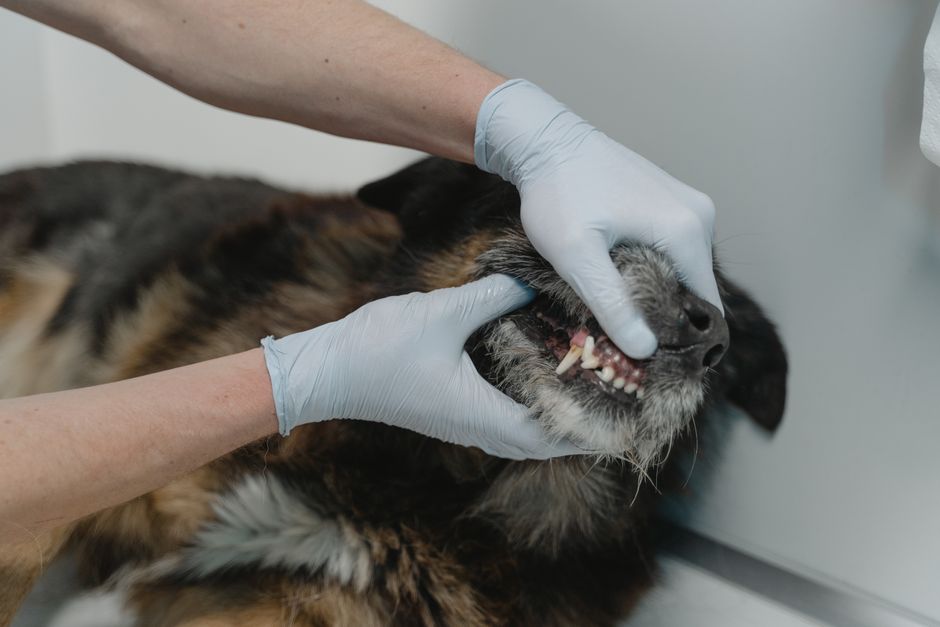
When a pet arrives at Sloan Animal Hospital with signs of dental disease, our veterinary team begins with a thorough oral examination. If dental disease is suspected, we may recommend anesthetized dental cleanings to fully assess and treat the problem. These professional pet dental cleaning services allow us to remove plaque and tartar above and below the gum line, which cannot be achieved through at-home brushing alone.
To ensure nothing is missed, we often utilize advanced dental radiography for pets. Dental x-rays help our veterinarians detect issues like tooth root abscesses, bone loss, or fractures that are not visible during a standard exam. If we find teeth that are badly damaged or infected, pet tooth extractions may be necessary to relieve pain and prevent further complications. Our team is skilled in gentle extraction techniques, always prioritizing your pet’s comfort and safety.
In some cases, we may prescribe medications to manage pain or control infection after dental procedures. Our clinic also offers nutritional counseling to help you select foods and treats that support healthy teeth and gums. Throughout every stage, we communicate clearly with pet owners so you understand your pet’s diagnosis, treatment plan, and what to expect during recovery.
Home Care and Prevention: Keeping Your Pet’s Teeth Healthy
While professional veterinary dental care is essential, daily home care is the best way to prevent dental disease in your dog or cat. Brushing your pet’s teeth with a pet-safe toothpaste is the gold standard for plaque control. Even brushing a few times per week can make a significant difference. If your pet is resistant to tooth brushing, there are other options, such as dental wipes, water additives, and approved dental chews or toys that help reduce plaque.
Feeding a balanced diet, especially one formulated for dental health, can also help maintain cleaner teeth. Avoid giving your dog or cat hard items like bones or antlers, as these can cause tooth fractures. Instead, look for products recommended by your veterinarian. Routine checkups at Sloan Animal Hospital are crucial, as our veterinary professionals can spot early signs of dental problems that may be missed at home.
It is important to introduce dental care gradually, using positive reinforcement to help your pet become comfortable with having their mouth handled. If you are unsure where to start, ask our team for a demonstration during your next appointment. We are always happy to provide tips and recommendations tailored to your pet’s needs.
When Should You Schedule a Veterinary Dental Visit?
Knowing when to seek veterinary care for your pet’s dental health can make all the difference in preventing painful and costly complications. It is time to schedule a dental evaluation if you notice any of the warning signs discussed earlier, such as bad breath, red or bleeding gums, visible tartar, loose teeth, or changes in eating habits. Additionally, pets with chronic health conditions, senior pets, or those who have never had a professional dental cleaning should be evaluated by our veterinarians.
Even if your pet seems healthy, annual dental checkups are recommended as part of their routine wellness care. These visits allow us to monitor your pet’s oral health, answer your questions, and intervene early if problems are developing. If you are ever in doubt, our veterinary team in Grand Prairie is just a call away.
For more information about what to expect during a cleaning, or if your pet may need an extraction, you can learn about pet tooth extraction procedures and our approach to gentle, compassionate dental care.
Why Regular Dental Checkups Matter for Your Dog or Cat
Dental disease is more than just a source of bad breath or unsightly teeth; it can have a serious impact on your pet’s overall health. Untreated dental infections can spread to the heart, liver, or kidneys, leading to more complex health issues. Pets with dental pain may also become less active, less social, or experience behavioral changes. By prioritizing regular dental checkups and cleanings, you are not only protecting your pet’s mouth, but also supporting their long-term quality of life.
At Sloan Animal Hospital , we are committed to providing comprehensive dental care for pets in our community. Our veterinarians stay up to date with the latest techniques and technology, ensuring your dog or cat receives the best possible care in a comfortable, welcoming environment. Whether your pet needs a routine cleaning or advanced dental treatment, we are here to help every step of the way.
Take the First Step Towards a Healthier Smile
Your pet’s dental health is a vital part of their overall wellbeing. If you have noticed signs of dental disease, or if it has been more than a year since your pet’s last dental checkup, we encourage you to schedule an appointment with Sloan Animal Hospital . Our experienced veterinary team is dedicated to keeping your dog or cat healthy, comfortable, and happy.
For those searching for a veterinarian near me who provides expert dental care in Grand Prairie and surrounding communities, our team is ready to help. To discuss your concerns or book a dental evaluation, call us at (214) 412-2462 or visit us at Grand Prairie, TX. If you are interested in professional pet dental cleaning services or have questions about dental radiography for pets, our veterinary professionals are here to guide you every step of the way.
Remember, early detection and preventive care are the keys to a long, healthy life for your furry companion. Reach out today and let us partner with you in caring for your pet’s smile.