
Dog Scratch Worries? When to See the Vet


Dog Scratch Worries? When to See the Vet
Is your dog scratching more than usual this fall? If you are in Grand Prairie or the surrounding areas, you are not alone; many pet owners notice their dogs itching and scratching as the seasons change. While an occasional dog scratch is a normal part of canine life, constant scratching can signal deeper issues that may require veterinary attention. At Sloan Animal Hospital, located at 2942 West Camp Wisdom Rd, Grand Prairie, TX 75052, our team of veterinarians is dedicated to helping your dog stay comfortable, healthy, and itch-free all year long. In this guide, we will explore the most common causes of excessive scratching, how to tell when it is time to seek professional help, practical steps to bring your dog relief, and how Sloan Animal Hospital can partner with you in managing your dog's skin health. If you are concerned about a dog scratch, keep reading for expert advice tailored to your dog's needs.
How to Recognize Problem Scratching in Dogs
Every dog scratches from time to time, but when does a simple itch become something more serious? Occasional scratching is normal, especially after a romp in the grass or following a bath. However, excessive scratching, chewing, or licking may indicate discomfort that goes beyond the typical canine itch. Signs to watch for include persistent scratching that interrupts your dog's daily routine, visible redness or irritation on the skin, thinning or loss of fur, and the appearance of scabs or sores. Other warning signals are shaking the head frequently, rubbing the face against furniture, or biting at the feet and tail. If your dog seems restless, cannot settle, or is waking you up at night with constant scratching, these are all reasons to take a closer look. In some cases, a dog scratch may become infected, leading to swelling or a foul odor. If you are unsure whether your dog's scratching is normal, our veterinary team can help assess the situation during a comprehensive pet exam.
What Causes a Dog Scratch to Become a Problem?
Understanding why your dog is scratching is the first step toward finding relief. In Grand Prairie, the most common causes of persistent dog scratch issues include allergies, parasites, infections, and skin conditions. Seasonal allergies, also called atopic dermatitis, often flare up in the spring and fall due to pollen, mold, or dust mites. Dogs may also develop food allergies, with symptoms like itching, ear infections, and digestive upset. Parasites such as fleas, ticks, and mites are another frequent culprit; even a single flea bite can trigger intense scratching in sensitive dogs. Skin infections, whether bacterial or fungal, can develop when the skin barrier is broken by repeated scratching. Additionally, conditions like hot spots, mange, and even hormonal imbalances may play a role. Environmental factors such as dry air, humidity changes, and exposure to irritants like lawn chemicals or shampoos can also make your dog's skin more sensitive. If you notice hair loss along with scratching, you can find more information on dog hair loss and when to see a vet.
How Veterinary Care Addresses Persistent Dog Scratch
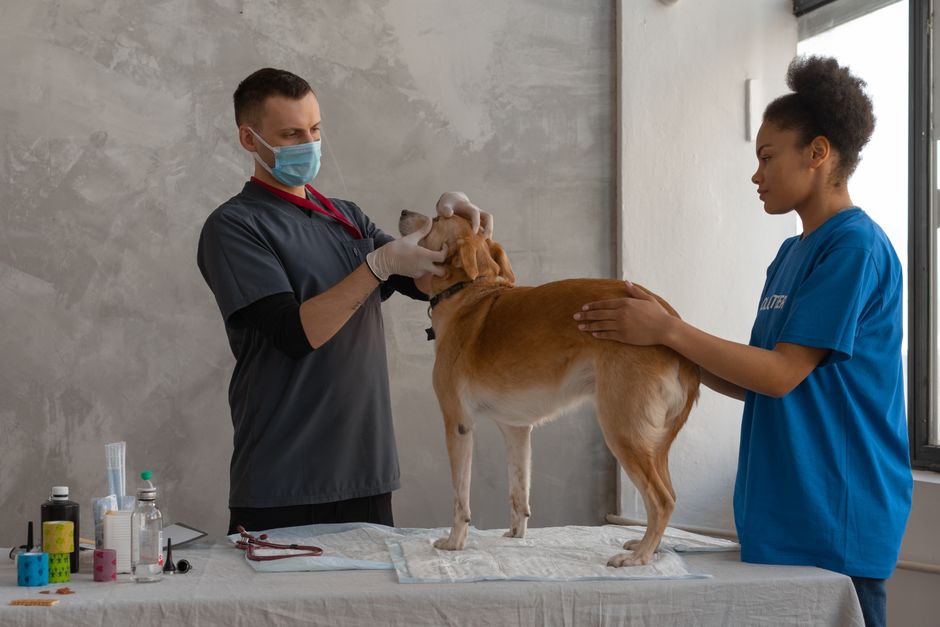
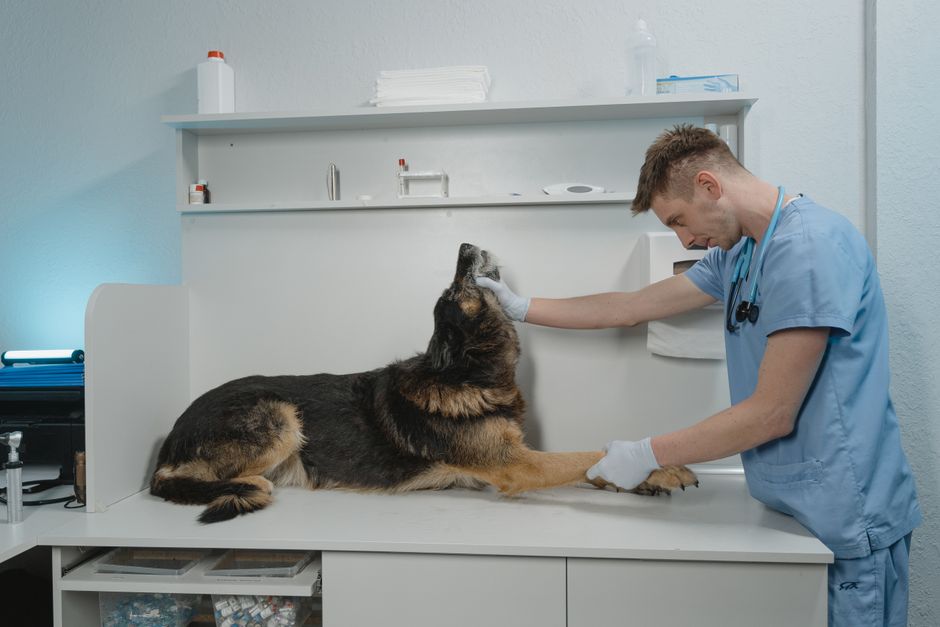
When a dog scratch goes beyond the occasional itch, a visit to Sloan Animal Hospital can make all the difference. Our veterinarians begin with a thorough examination, looking for patterns of scratching, skin changes, and any underlying health issues. Diagnostic steps may include skin scrapings to check for mites, fungal cultures for ringworm, or cytology to identify bacterial or yeast infections. If an allergy is suspected, we may recommend elimination diets, blood tests, or intradermal skin testing. For cases involving parasites, we will check for fleas, ticks, or signs of mange, and discuss effective prevention and treatment options. Our in-house diagnostic laboratory allows for fast, accurate answers, so your dog can get relief quickly.
Treatment plans are tailored to your dog's specific needs. For example, allergy management may involve prescription medications, medicated shampoos, or long-term allergy therapies. If parasites are found, we will guide you through the best prevention products for year-round protection. Infections are addressed with the appropriate antibiotics or antifungal medications. Our dermatology services are designed to diagnose and treat even the most stubborn skin problems, ensuring your dog receives comprehensive care in a comfortable, supportive environment.
Managing and Preventing Itching at Home
While veterinary care is essential for persistent cases, there are practical steps you can take at home to help manage mild dog scratching and prevent future flare-ups. Regular grooming keeps your dog's coat clean and helps you spot problems early; brushing removes loose fur and debris, while bathing with a gentle, vet-approved shampoo can soothe dry or irritated skin. Maintaining consistent flea and tick prevention is critical, especially in our Texas climate where parasites thrive nearly year-round. Washing bedding frequently, vacuuming carpets, and reducing exposure to known allergens also play a major role in keeping your dog's skin healthy. Nutrition matters, too; a high-quality diet rich in essential fatty acids supports the skin barrier and overall wellness. If your dog is prone to allergies, talk to our veterinarians about hypoallergenic diets and supplements that may help reduce itching.
If you are unsure whether your at-home efforts are enough, or if your dog's scratching is not improving, our team is here to offer guidance and support. We recommend keeping a journal of symptoms, including when the scratching started, what areas are affected, and any changes in your dog's environment. This information can be invaluable during your visit and help us get to the root of the problem faster.
When to See a Veterinarian for Dog Scratch
It can be difficult to know when a dog scratch is something you can manage at home or when professional help is needed. You should call Sloan Animal Hospital if your dog is scratching constantly, develops raw or bleeding areas, or shows signs of pain or distress. Other red flags include sudden hair loss, swelling, a bad odor from the skin, or behavioral changes such as lethargy or loss of appetite. If your dog has a history of skin problems or allergies, early intervention can prevent complications and reduce discomfort. For urgent symptoms, such as facial swelling, difficulty breathing, or severe wounds, seek immediate veterinary care, as these can signal serious allergic reactions or infections.
Our team offers a full range of diagnostic and treatment options for skin issues, including advanced dermatology and laboratory services. If you are ever in doubt, remember that a prompt wellness examination can help catch problems early and keep your dog healthy year-round. For more guidance on when a dog's itching may require veterinary attention, visit our resource on when to see a vet for dog itching.
Keeping Your Dog Comfortable and Itch-Free
At Sloan Animal Hospital, we know how worrying it can be to see your dog uncomfortable or in distress. Our veterinarians are passionate about helping every dog in Grand Prairie and the surrounding communities enjoy a healthy, happy life—free from the frustration of constant scratching. Whether your dog needs a simple checkup or advanced dermatology care, we are here to guide you every step of the way. If you have been searching for a "vet near me" who truly understands your dog's needs, our team is ready to help.
If your dog is struggling with persistent scratching, do not wait for the problem to get worse. Schedule an appointment with Sloan Animal Hospital today by calling (214) 412-2462 or visiting our convenient Grand Prairie location. We are dedicated to providing thorough, compassionate care for every dog scratch concern, big or small. Let us help your dog get back to feeling comfortable, playful, and itch-free all season long.
For more information about our dermatology services or to book an exam, explore our veterinary dermatology page. Your dog's comfort and health are always our top priority.