
Early Signs of Arthritis in Grand Prairie Dogs and Cats

Early Signs of Arthritis in Grand Prairie Dogs and Cats
As the cooler months arrive in Grand Prairie, many pet owners notice their dogs and cats are moving a little more slowly or hesitating before their usual activities. While it is easy to assume these changes are simply part of aging, they may actually be the early signs of arthritis—a common and often underdiagnosed condition in both dogs and cats. At Sloan Animal Hospital, located at 2942 West Camp Wisdom Rd, Grand Prairie, TX 75052, our veterinary team is dedicated to helping you recognize the subtle signs of joint discomfort in your pets. In this blog, we will guide you through how to spot early arthritis symptoms, understand why this condition develops, explore available treatment options, and learn what you can do at home to keep your pets comfortable. We will also explain when it is important to schedule an appointment, and how the caring team at Sloan Animal Hospital can support you and your pet through every stage of arthritis management.
Recognizing the Early Signs of Arthritis in Dogs and Cats
Arthritis, or osteoarthritis, is a degenerative joint disease that affects pets of all ages but becomes more common as they grow older. Early detection is key to preserving your pet’s quality of life, but the initial symptoms are often subtle, especially in cats.
For dogs, early signs of arthritis can include stiffness after getting up from sleep, reluctance to jump into the car or onto furniture, and a noticeable slowing down during walks or playtime. You might also notice your dog hesitates on stairs, takes longer to stand, or shows decreased interest in favorite activities. Some dogs develop a mild limp or favor one leg, particularly after exercise or during cold, damp weather. Changes in behavior, such as irritability when touched near the hips or joints, can also point to early joint pain.
Cats are experts at hiding discomfort, so the signs of arthritis in felines are even more subtle. You may see your cat jumping less frequently or choosing lower surfaces instead of high perches. A cat with joint pain might avoid the litter box if the sides are high, spend more time sleeping, or groom less—leading to a dull coat or matting, especially over the hindquarters. Some cats become withdrawn or grumpy when handled, particularly around the back and legs.
If you are noticing any of these changes, it is important to consider that arthritis could be the underlying cause. Scheduling a pet examination is the best way to determine what is affecting your dog or cat and develop a treatment plan tailored to their needs.
What Causes Arthritis in Pets?
Arthritis develops when the protective cartilage in your pet’s joints wears down over time, leading to inflammation, discomfort, and reduced mobility. The process is progressive and can be influenced by several factors.
Age is a primary factor, as older pets are more likely to experience the gradual breakdown of cartilage. However, arthritis can also affect younger animals, especially those with a history of joint injuries, certain hereditary conditions, or developmental issues such as hip or elbow dysplasia. Pets that are overweight carry extra strain on their joints, which accelerates cartilage wear and can cause early onset arthritis. Genetics play a role in some breeds, making them more susceptible to joint problems. For example, large-breed dogs such as Labradors, Golden Retrievers, and German Shepherds are at higher risk, but all dogs and cats can be affected.
In addition to age, weight, and breed, previous injuries or surgeries can contribute to arthritis. A pet who has suffered a ligament tear, such as a cranial cruciate ligament injury in the knee, may develop arthritis in that joint later in life. Inflammatory diseases, abnormal joint development, and even certain infections can also set the stage for osteoarthritis.
Understanding your pet’s risk factors allows you to be proactive in monitoring for early signs and seeking help when needed.
How Arthritis Is Diagnosed in Dogs and Cats
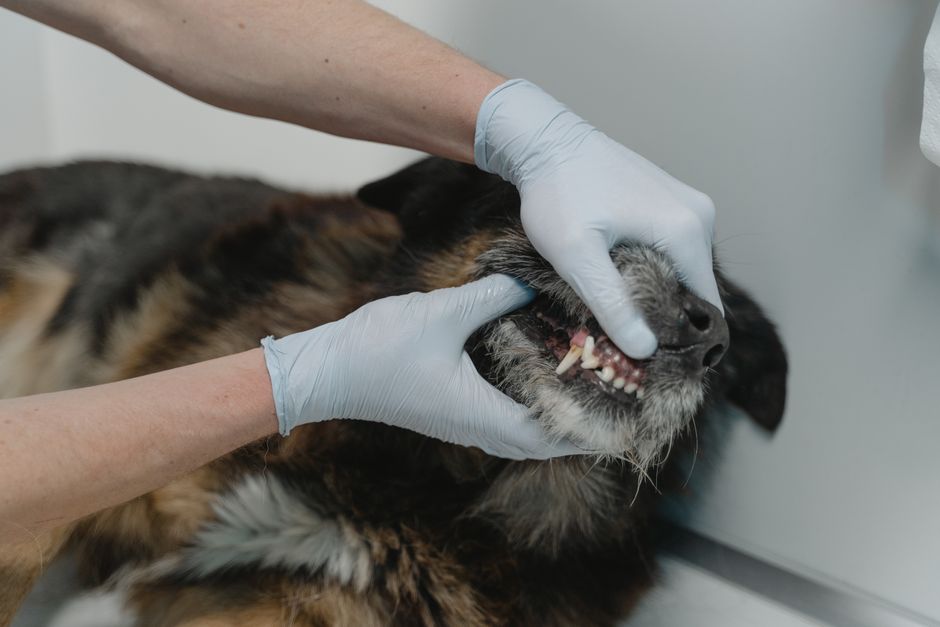
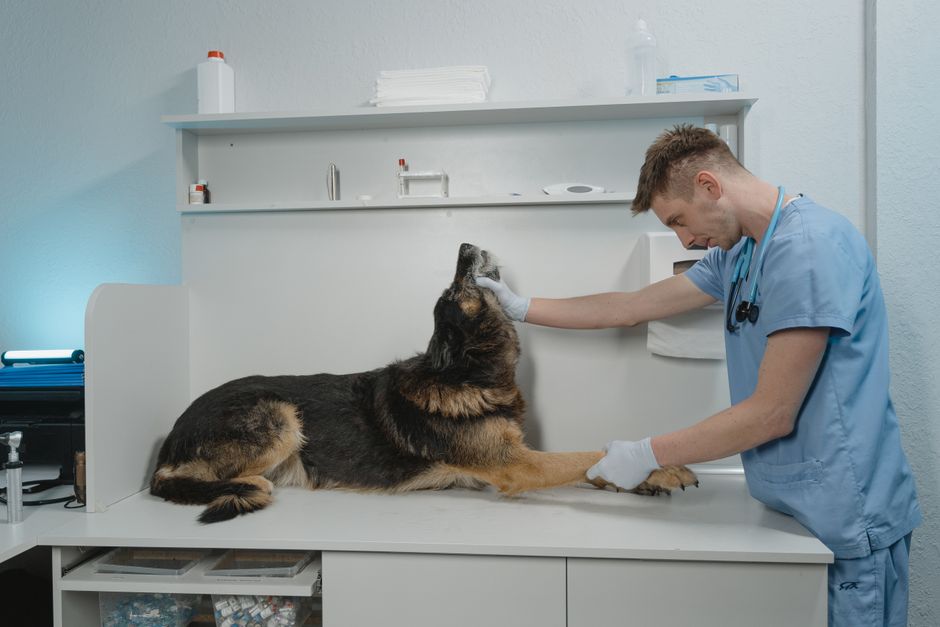
Pinpointing arthritis in pets starts with a thorough veterinary examination. During your visit at Sloan Animal Hospital, our veterinarians will ask about the changes you have observed in your pet’s mobility, activity level, and behavior. We will perform a gentle hands-on evaluation to check for joint swelling, pain, reduced range of motion, or muscle loss.
To confirm the diagnosis and rule out other causes of lameness or discomfort, we may recommend diagnostic imaging such as digital radiology. X-rays allow us to visualize changes in the joints, such as narrowed joint spaces, bone spurs, or signs of old injuries. In some cases, additional diagnostics such as bloodwork may be needed to check for underlying conditions that can mimic arthritis symptoms.
Accurate diagnosis is crucial for developing an individualized treatment plan that addresses your pet’s unique needs and maximizes their comfort and mobility.
Treatment Options for Pets with Arthritis
The goal of arthritis management is to reduce pain, slow the progression of joint damage, and help your pet remain as active and comfortable as possible. At Sloan Animal Hospital, we offer a variety of treatment options to address arthritis in both dogs and cats.
Medications play a central role in controlling pain and inflammation. Non-steroidal anti-inflammatory drugs (NSAIDs) are commonly prescribed for dogs, while cats may receive other pain-relieving medications that are safe for their species. In addition, joint supplements containing glucosamine, chondroitin, and omega-3 fatty acids can support joint health and may slow cartilage breakdown.
Physical therapy and gentle, controlled exercise are important for maintaining muscle strength and joint flexibility. Our team can provide guidance on appropriate activities and recommend modifications to your pet’s routine that will minimize discomfort while keeping them active. Weight management is another critical component; pets at a healthy weight experience less stress on their joints and greater mobility. Our nutritional counseling services can help you develop a feeding plan to reach and maintain your pet’s ideal weight.
For pets with severe arthritis or those not responding to initial therapies, advanced treatments such as intra-articular injections or surgical intervention may be discussed. In some cases, referral to a specialist for procedures like FHO surgery may be appropriate, especially for certain hip and joint conditions.
Pain management is always a priority, and our veterinary pain management services are designed to provide tailored solutions for each pet’s needs. This may involve a combination of medications, supplements, physical therapy, and lifestyle adjustments. Our team will work closely with you to monitor your pet’s response and adjust the treatment plan as needed for ongoing comfort and improved quality of life.
Home Care and Prevention Strategies
While some factors—like age and genetics—cannot be changed, there are many ways you can support your pet at home and potentially slow the progression of arthritis.
Keeping your dog or cat at a healthy weight is one of the most effective strategies for protecting joint health. Feeding a balanced diet, measuring portions, and limiting high-calorie treats all contribute to maintaining an ideal body condition. Regular, gentle exercise helps preserve muscle tone and joint mobility. For dogs, this might mean daily walks at a comfortable pace, while for cats, encouraging play with toys can keep them moving.
Making small changes around your home can also make a big difference. Providing soft, supportive bedding in easily accessible locations gives your pet a comfortable place to rest. Ramps or stairs can help dogs and cats reach favorite spots without jumping, and non-slip rugs can prevent slipping on hard floors. In cooler weather, keeping your pet warm—especially at night—can ease joint stiffness.
For cats, consider litter boxes with lower sides to make entry easier, and ensure food and water bowls are within easy reach. Grooming your cat regularly can help prevent matting in areas they may struggle to reach due to stiffness.
Scheduling regular pet examinations allows our veterinarians to monitor your pet’s joint health and catch subtle changes before they become significant problems. Early intervention is key to slowing arthritis progression and maintaining your pet’s comfort for as long as possible.
When to Seek Veterinary Care for Arthritis Symptoms
It is natural for pets to slow down a bit as they age, but persistent changes in movement, reluctance to play or jump, difficulty rising, or any signs of pain should not be dismissed as “just getting older.” If your dog or cat is limping, struggling with stairs, showing behavior changes, or avoiding previously enjoyed activities, it is time to schedule an appointment with our veterinary team.
Prompt veterinary evaluation is especially important if you notice sudden or severe lameness, swelling, or if your pet seems to be in significant pain. These symptoms could indicate a more serious problem requiring immediate attention.
At Sloan Animal Hospital, our veterinarians have experience diagnosing and managing arthritis in both dogs and cats. We will perform a thorough examination, discuss your observations, and use advanced diagnostics when necessary to identify the underlying cause of your pet’s discomfort. From there, we will work together to create a plan that supports your pet’s wellbeing and helps them stay active and happy.
For more information on when to seek help for limping or mobility issues in dogs, you can visit our resource on when to see a vet for dog limping.
Supporting Your Pet’s Comfort and Mobility in Grand Prairie
Caring for a dog or cat with arthritis can feel overwhelming, but you are not alone. The veterinary team at Sloan Animal Hospital is here to provide guidance, support, and comprehensive care tailored to your pet’s needs. With early recognition, proactive management, and the right treatment plan, many pets with arthritis can continue to enjoy their favorite activities for years to come.
If you are searching for a veterinarian near me who understands the unique needs of aging pets or pets showing signs of joint pain, look no further than our experienced team at 2942 West Camp Wisdom Rd, Grand Prairie, TX 75052. We invite you to schedule an appointment by calling (214) 412-2462. Our veterinarians are dedicated to helping pets throughout Grand Prairie and the surrounding communities live their healthiest, happiest lives.
Whether your pet is just beginning to show signs of arthritis or you are seeking advanced pain management, we are here to help every step of the way. Contact us today for personalized care that puts your pet’s comfort first, and let Sloan Animal Hospital be your trusted partner in keeping your companions active and thriving.
This blog is intended for informational purposes only and does not replace professional veterinary advice. If you suspect your pet may be experiencing arthritis or any other health concern, please schedule an appointment with a licensed veterinarian.