
Safe Thanksgiving Foods for Dogs and Cats

Safe Thanksgiving Foods for Dogs and Cats
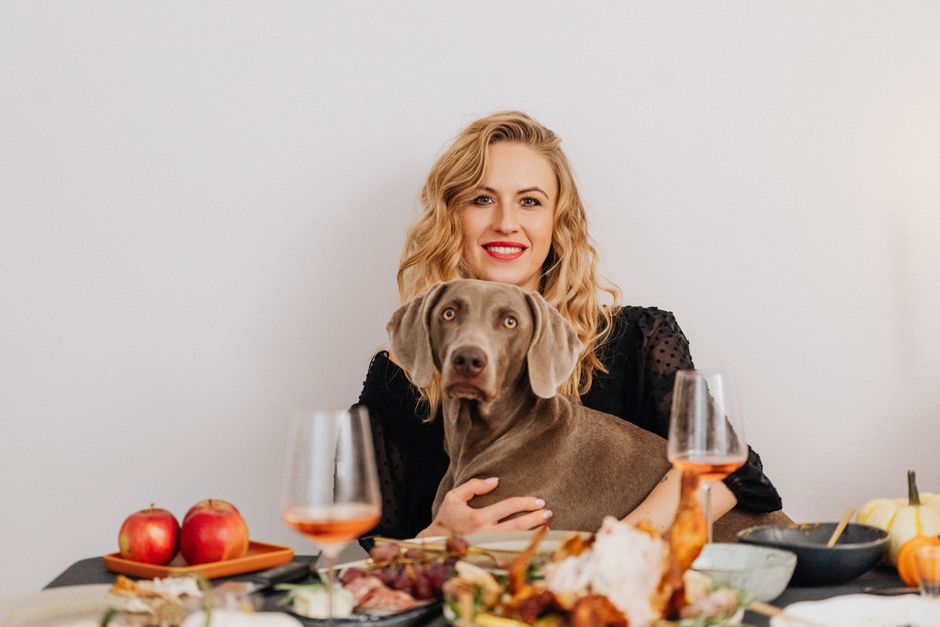
Thanksgiving is a time for gratitude, celebration, and gathering with loved ones—including our beloved dogs and cats. As tempting as it can be to share holiday treats with your pet, not all Thanksgiving foods are safe for them. At Sloan Animal Hospital, located at 2942 West Camp Wisdom Rd, Grand Prairie, TX 75052, our veterinary team often receives questions from pet owners about which foods are safe to share and which should be avoided. In this blog, we will help you navigate Thanksgiving table scraps, explain which foods can cause problems, and offer tips to keep your dog or cat happy and healthy during the festivities. We will also share how our veterinary professionals help prevent holiday pet emergencies here in Grand Prairie and surrounding communities.
Whether you are hosting Thanksgiving at home or visiting family nearby, you want to include your pet in the celebration safely. The following guide will cover common signs of food-related trouble in pets, explain why some traditional dishes pose risks, and offer practical advice for treating and preventing problems. You will also find clear guidance on when to seek immediate veterinary care, plus resources for nutritional counseling and emergency services if your pet gets into something they should not.
Recognizing Food-Related Problems in Dogs and Cats
During Thanksgiving, it is easy for pets to sneak a bite of something new—whether from a well-meaning guest or an unattended plate. Sometimes, sharing a small piece of turkey may seem harmless, but certain foods can lead to mild digestive upset or even life-threatening emergencies.
Symptoms of food-related issues in pets include vomiting, diarrhea, drooling, loss of appetite, lethargy, and restlessness. In more serious cases, you may notice abdominal pain, bloating, difficulty breathing, tremors, or seizures. Cats can be especially sensitive to certain foods and may hide their symptoms, making it important to observe any changes in behavior or eating habits.
If your dog or cat seems unwell after a holiday meal or you suspect they have eaten something unusual, prompt attention is crucial. Early recognition can prevent minor issues from becoming major problems and ensure a safe and happy holiday for everyone.
Why Some Thanksgiving Foods Are Dangerous for Pets
Many Thanksgiving dishes contain ingredients that are toxic or harmful to dogs and cats. Even small amounts of certain foods can lead to severe reactions. For example, onions, garlic, and chives are found in stuffing and gravy, but they can damage red blood cells in both dogs and cats. Grapes and raisins, which may be in salads, desserts, or bread, can cause kidney failure in dogs. Chocolate—often present in pies, cookies, or candy—is extremely toxic to both species, even in small quantities.
Cooked bones from turkey or ham are another common danger. They can splinter and cause choking, blockages, or tears in the digestive tract. Fatty trimmings, butter, and rich gravies can trigger pancreatitis, a painful and potentially serious inflammation of the pancreas.
Even foods that seem safe, like plain turkey or mashed potatoes, can be risky if they are seasoned with garlic, onions, or contain added butter and cream. Artificial sweeteners like xylitol, sometimes found in baked goods, are highly toxic to dogs and can cause dangerous drops in blood sugar or liver failure.
If you are ever unsure whether a food is safe for your pet, consult with your veterinarian or reliable resources such as the ASPCA Animal Poison Control. Our veterinary team at Sloan Animal Hospital is always available to answer questions or provide guidance on specific ingredients.
Safe and Unsafe Thanksgiving Foods for Pets
Knowing what is safe to share can help prevent accidental illness. Small amounts of plain, cooked turkey (with no skin, bones, or seasoning) are generally safe for most dogs and cats. Steamed green beans, carrots, or plain pumpkin puree can be healthy treats when served in moderation. Rice and plain sweet potatoes may also be offered, provided they have no added sugar, salt, or butter.
However, any dish containing onions, garlic, chives, grapes, raisins, chocolate, macadamia nuts, or alcohol should be strictly avoided. Stuffing, casseroles, gravies, and desserts often contain hidden ingredients that are toxic to pets. Cooked bones and fatty scraps pose choking and digestive hazards, and desserts with xylitol are an emergency risk, especially for dogs.
If you suspect your pet has eaten a toxic food, it is important to seek guidance right away. For example, if your dog ate chocolate, refer to our guidance on when to seek veterinary care if a dog eats chocolate. If onions or garlic are involved, consult our guidance on when to seek veterinary care if a dog eats onion or guidance on when to seek veterinary care if a dog eats garlic.
How Our Veterinary Team Treats Food-Related Illnesses
When a pet eats something unsafe, the treatment approach depends on what was ingested, the amount, and how quickly care is provided. Our veterinarians at Sloan Animal Hospital begin by assessing your dog or cat’s symptoms and may recommend diagnostic tests such as bloodwork or X-rays to evaluate for poisoning, blockages, or organ damage.
If a toxic food was consumed recently, our veterinary team may induce vomiting or administer activated charcoal to limit absorption. In more serious cases, hospitalization with intravenous fluids, medications, and close monitoring is necessary. For foreign objects like bones, surgery may be required if there is a blockage or perforation.
Our veterinary professionals are trained to handle a wide range of food-related emergencies and will tailor the treatment to your pet’s specific needs. Early intervention is the best way to ensure a positive outcome, so do not wait if you suspect a problem after a holiday meal.
Preventing Holiday Food Hazards at Home
Prevention is always the best strategy for keeping your pet safe during Thanksgiving. Start by making sure all food and trash are kept out of reach, especially when guests are present and the house is busy. Let family and visitors know not to feed table scraps, and offer pet-safe treats instead.
Keep pets out of the kitchen or dining area during meal preparation and serving times. Secure trash cans with lids, and promptly dispose of leftovers and bones. If you want to include your pet in the celebration, prepare a special dish using plain, pet-safe ingredients or choose a vet-approved treat.
If you have questions about your dog or cat’s diet, or want to plan healthy holiday treats, our nutritional counseling services can help you design a balanced menu that supports your pet’s health all year long.
When to Seek Veterinary Care for Food-Related Problems
Some foods can quickly become life-threatening for pets, so knowing when to contact a veterinarian is crucial. If your dog or cat experiences repeated vomiting, diarrhea, weakness, tremors, difficulty breathing, or collapses after eating, call Sloan Animal Hospital immediately. If you believe your pet consumed chocolate, grapes, raisins, onions, garlic, bones, or any food containing xylitol, seek emergency care right away.
If you need support outside our regular hours, refer to our after-hours pet emergency information. Our clinic provides emergency veterinary care to help during urgent situations and can guide you on the next steps if your pet ingests a dangerous food.
It is always better to err on the side of caution. When in doubt, reach out to our veterinary professionals for advice. Prompt action can make a significant difference in your pet’s recovery and long-term health.
Keeping Thanksgiving Safe and Joyful for Your Pets
Thanksgiving is a wonderful opportunity to celebrate with loved ones, including your pets, but it is important to be mindful of the foods you share. By recognizing common holiday food hazards, paying attention to your dog or cat’s behavior, and taking steps to prevent access to unsafe treats, you can help ensure a safe and joyful holiday for your entire family.
If you have concerns about your pet’s diet, want to create healthy holiday treats, or need help after a food-related emergency, the veterinary team at Sloan Animal Hospital in Grand Prairie is here for you. To schedule an appointment, call (214) 412-2462 or visit us at 2942 West Camp Wisdom Rd, Grand Prairie, TX 75052. When searching for a veterinarian near me, look for a practice that understands the unique needs of your pets during the holidays and throughout the year.
Our team is dedicated to helping your pet stay healthy, safe, and happy during Thanksgiving and every season. If you ever have questions about safe foods, emergency care, or ongoing nutrition, our veterinary professionals are just a phone call away. Enjoy the holiday, and remember that a little preparation goes a long way toward keeping your pets out of harm’s way this Thanksgiving.
This blog is intended for educational purposes only and does not replace professional veterinary advice. Always consult with your veterinarian for concerns specific to your pet’s health or if you suspect your dog or cat has ingested a harmful substance.