
Dog Scratching Treatment: Causes and Solutions in Grand Prairie


Dog Scratching Treatment: Causes and Solutions in Grand Prairie
Is your dog keeping you up at night with constant scratching, biting, or licking? If so, you are not alone. Many pet owners in Grand Prairie and surrounding communities face the challenge of managing itchy skin in their dogs. At Sloan Animal Hospital , our experienced veterinary team understands how frustrating and concerning it can be to watch your pet struggle with persistent itchiness. In this article, we will explore the most common causes of itchy skin, discuss effective dog scratching treatment options available here in Grand Prairie, and provide guidance on when it is time to schedule an appointment with our veterinarians. We will also share practical home care tips to help keep your pet comfortable. If you are searching for reliable answers and compassionate care right here at 2942 West Camp Wisdom Rd, Grand Prairie, TX 75052, you have come to the right place.
Recognizing Problem Signs: When Is Scratching a Concern?
Every dog scratches from time to time, but when does it become a problem? The difference between an occasional itch and a persistent issue often comes down to frequency and severity. Warning signs that your dog may need professional help for their itching include scratching that is constant or interferes with daily activities, red or inflamed skin, hair loss in certain areas, the appearance of scabs or sores, a musty or unpleasant odor from the skin, or signs of discomfort such as whimpering or restlessness. Additionally, you might notice your dog licking or chewing at their paws, rubbing their face on the carpet, or developing hot spots—painful, raw patches that can become infected quickly. If your dog’s scratching is waking you at night, causing visible distress, or leading to skin changes, it is time to look closer at possible causes and consider reaching out for veterinary support.
What Causes Dogs to Scratch? Understanding the Reasons Behind Itchy Skin
Dogs can develop itchy skin for many reasons. The most common underlying causes include external parasites such as fleas and mites, which are especially prevalent in warmer months here in Grand Prairie. Allergies are another frequent culprit. Dogs can suffer from environmental allergies to pollen, dust mites, or molds, as well as food allergies that trigger reactions from certain proteins or ingredients in their diet. Skin infections caused by bacteria or yeast can also make dogs extremely itchy. Other causes include dry skin from low humidity, underlying health conditions like hormonal imbalances, or reactions to shampoos and grooming products.
In some cases, more than one factor contributes to a dog’s discomfort. For example, a dog with flea allergies may continue to scratch even after the fleas are gone, due to lingering inflammation. Our veterinary professionals are skilled at sorting through these potential triggers to identify the true cause of your dog’s itching and create a tailored treatment plan.
Dog Scratching Treatment Options at Sloan Animal Hospital
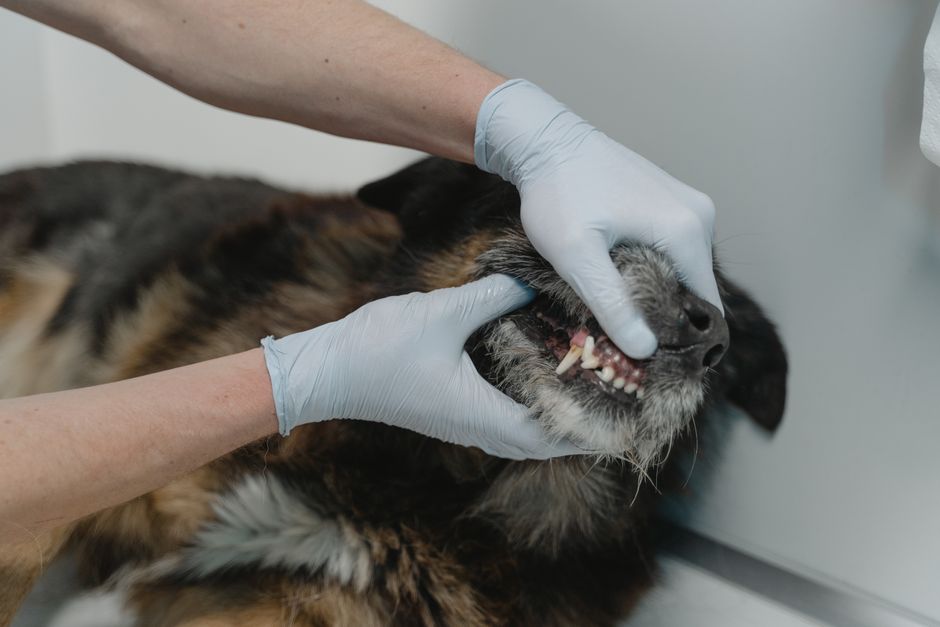
When you bring your dog to Sloan Animal Hospital for itching and scratching concerns, our veterinarians start with a thorough skin examination and medical history. We may recommend additional diagnostic tests such as skin scrapings, cytology, or allergy assessments to pinpoint the exact cause of the problem. Our dermatology services are designed to address a wide range of skin conditions, from mild irritations to more complex cases involving chronic allergies or infections.
Treatment approaches involve a combination of targeted therapies based on the diagnosis. If external parasites are present, we will recommend safe and effective parasite control medications. For dogs with bacterial or yeast infections, topical or oral medications may be prescribed. Dogs suffering from allergies often benefit from a multimodal approach that may include antihistamines, specialized diets, medicated shampoos, or prescription medications that reduce inflammation and itch. For chronic or severe cases, our veterinary team may suggest allergy testing or advanced immunotherapy.
Pain and discomfort are also addressed as part of our comprehensive care. If your dog’s itching has led to open sores or secondary pain, our pain management options can help restore comfort while the underlying problem is being treated. Throughout the process, we work closely with you to monitor progress and adjust the treatment plan as needed to ensure the best possible outcome for your pet.
Home Care and Prevention: Keeping Your Dog Comfortable
While veterinary care is essential for diagnosing and treating the root cause of your dog’s itching, there are several steps you can take at home to support your pet’s skin health and comfort. Regular grooming helps remove loose fur, dirt, and potential allergens from your dog’s coat. Using veterinary-approved shampoos and conditioners designed for sensitive skin can soothe irritation and prevent dryness. Maintaining a clean living environment by washing bedding and vacuuming frequently helps reduce exposure to environmental allergens.
A balanced diet rich in essential fatty acids may support healthy skin and a shiny coat. If your veterinarian suspects a food allergy, switching to a hypoallergenic diet under their guidance can be beneficial. Protecting your pet with year-round parasite prevention is crucial, especially in Texas where fleas and ticks are a concern for much of the year. Finally, minimizing your dog’s exposure to known irritants such as certain cleaning products or lawn chemicals can help prevent flare-ups.
If your dog experiences mild, occasional itching, gentle home care may provide relief. However, persistent or worsening symptoms always warrant a veterinary visit to rule out more serious underlying issues.
When to Seek Veterinary Care for Your Dog’s Itching
It can be difficult for pet owners to know when it is time to schedule an appointment. As a general guideline, if your dog’s scratching lasts longer than a few days, is accompanied by hair loss, skin redness, open sores, or signs of infection, or if your dog seems unusually uncomfortable, it is best to consult with our veterinary team. Early intervention not only brings relief to your pet but also helps prevent complications and more difficult-to-treat conditions.
At Sloan Animal Hospital , we are equipped with advanced diagnostic tools and a wide range of treatment options right here in our Grand Prairie location. Our veterinarians take the time to listen to your concerns, perform a detailed assessment, and develop a personalized plan to address both the symptoms and the underlying causes of your dog’s itching. If you are ever unsure whether your dog’s condition requires veterinary attention, it is always better to err on the side of caution and reach out for professional guidance.
For urgent or severe cases, such as sudden swelling, severe hair loss, bleeding, or changes in behavior, immediate veterinary care is recommended. You can find more information about our wellness examination and dermatology services for itchy pets on our website.
Supporting Your Dog’s Skin Health in Grand Prairie
Dog scratching treatment does not have to be a source of stress for you or your pet. With the help of our compassionate veterinary professionals at Sloan Animal Hospital , you can find answers and solutions that bring lasting relief. From diagnosing the root cause of itchy skin to providing effective treatments and ongoing support, we are committed to your pet’s comfort and wellbeing.
If you are searching online for a "vet near me" who understands the unique needs of dogs in Grand Prairie and surrounding areas, our team is here to help. To schedule an appointment for dog scratching treatment or to discuss your pet’s skin health, please call us at (214) 412-2462 or visit our Grand Prairie location. You can also explore our dermatology services or book an appointment online. Remember, your dog’s comfort and health are always our top priorities.
This article is intended for informational purposes only and should not replace professional veterinary care. If you have concerns about your pet’s health, always consult with your veterinarian for personalized guidance and treatment.