
Protecting Your Pet’s Paws in Chilly Grand Prairie Weather


Protecting Your Pet’s Paws in Chilly Grand Prairie Weather
Winter in Grand Prairie brings its own set of challenges for our furry companions, especially when it comes to their sensitive paws. Even though harsh ice and snow are rare in Texas, February’s cold, wet, and windy conditions can still put your dog or cat at risk for paw discomfort or injury. At Sloan Animal Hospital , our veterinary team understands how important it is to keep your pet’s feet healthy, comfortable, and protected during the colder months. In this blog, we’ll explore how to recognize signs of paw problems, why winter weather can be tough on paws, and what you can do at home to safeguard your pet. You’ll also learn when it’s time to schedule an appointment at our full-service clinic on 2942 West Camp Wisdom Rd, Grand Prairie, TX 75052 for professional care. Our goal is to help pets in Grand Prairie and surrounding communities stay active and comfortable all winter long.
Recognizing Paw Discomfort: Signs Your Pet’s Feet Need Attention
You know your pet best, so any change in their behavior or gait can be a red flag that something isn’t quite right. Typical signs of paw discomfort in both dogs and cats include limping or favoring a foot, persistent licking or chewing at the paws, and reluctance to go outside—especially on cold or wet days. You may also notice your pet stopping frequently during walks, holding a paw up, or yelping when their feet touch the ground. Additionally, visible changes such as redness between the toes, cracked or bleeding pads, and swelling are important clues that your pet’s paws are irritated. For cats, pay close attention to over-grooming or avoidance of the litter box, which can signal discomfort caused by cold surfaces or irritated pads.
Some pets may be more subtle in their discomfort. For instance, a dog that usually loves long walks might suddenly want to turn back after just a few minutes, or a cat that typically lounges by a window may avoid hard surfaces altogether. Recognizing these early warning signs can help prevent more serious injuries or infections from developing.
Why Winter Weather Causes Paw Problems
Although Grand Prairie winters are less severe than those in colder climates, the drop in temperature, damp conditions, and gusty winds can still take a toll on your pet’s paws. The main culprits include exposure to cold surfaces such as sidewalks, patios, or frozen grass, which can cause pad dryness and cracking. When moisture from rain or dew combines with chilly air, it increases the risk of skin irritation and chafing, especially in pets who already have sensitive skin.
Windy conditions add another layer of risk by wicking away natural moisture from your pet’s paw pads, leaving them more vulnerable to cracking. In some neighborhoods, winter de-icers or road salts may be used during cold snaps, and these substances can be highly irritating or even toxic if licked from the paws. Additionally, the rough texture of concrete or gravel, combined with cold and dampness, can lead to abrasions or cuts that are slow to heal in winter’s less forgiving conditions.
Certain pets are especially at risk. Small or short-haired breeds, those with pre-existing paw or skin issues, and pets who spend long periods outdoors are more likely to experience problems. Even indoor cats can develop dry or cracked pads from cold floors and low household humidity during the winter months.
Professional Treatment and What to Expect at the Vet
If you notice any signs of paw discomfort that persist for more than a day or seem to cause your pet significant distress, a prompt visit to Sloan Animal Hospital is the best course of action. Our veterinarians are experienced in diagnosing and treating a wide range of paw issues, from minor irritations to more complex wounds or infections.
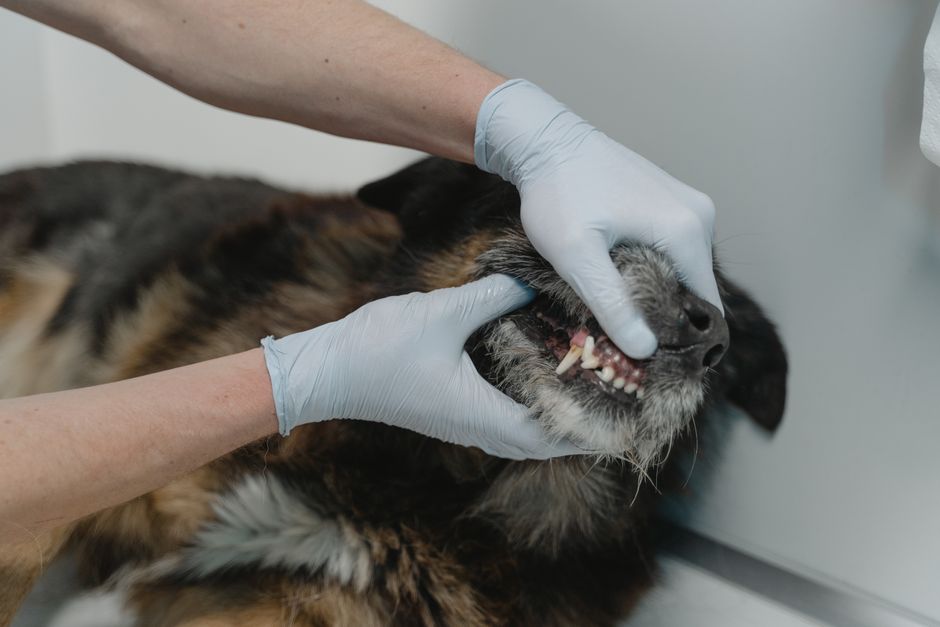
During your appointment, our veterinary team will carefully examine your pet’s paws, looking for signs of injury, infection, or underlying medical concerns. Diagnostic tests such as digital radiology or laboratory analysis may be recommended if there is swelling, bleeding, or suspected foreign material embedded in the paw. In cases of infection, treatment options involve topical or oral medications to resolve bacteria or yeast, along with pain management as needed. For wounds or deep cracks, our veterinarians may clean the area, apply protective bandages, and provide specific instructions for at-home care and monitoring.
Pets with ongoing skin or paw concerns can benefit from a collaborative approach with our dermatology services. If your pet’s paw problems seem to be linked to allergies or chronic skin conditions, our veterinarians may recommend further evaluation through our dermatology services for pets to identify the root cause.
At-Home Paw Care: Steps to Keep Your Pet Comfortable
Many paw problems can be prevented or managed with simple, consistent care at home. After every walk or outdoor play session, wipe your dog or cat’s feet with a soft, damp cloth to remove dirt, moisture, and any potential irritants like de-icers. Inspect each paw for small cuts, cracks, or debris, as early detection can make a big difference in healing.
Keep your pet’s nails trimmed to avoid snagging and unnatural pressure on the toes, which can lead to discomfort. Moisturize dry or cracked pads with a pet-safe balm or ointment recommended by your veterinarian; avoid using human lotions, as some ingredients can be harmful to pets. For dogs that spend time outdoors, consider using booties or paw wax designed for pets to provide an extra layer of protection against cold, wet, or rough surfaces.
Inside the home, provide warm, soft bedding in draft-free areas and encourage your pet to rest off cold tile or concrete floors. Maintaining proper humidity with a humidifier can help prevent dryness in both your pet’s skin and paws during the winter. Cats in particular may appreciate a heated bed or cozy spot near a sunlit window to keep their feet warm and comfortable.
Regular grooming also plays a part in paw health. Trim any excess fur around the toes to prevent ice balls, mud, or dirt from accumulating between the pads, and check for mats that can pull on the skin. If your pet’s paws appear persistently dry or irritated despite these measures, it may be time to consult with our veterinary professionals for further guidance.
When to Seek Veterinary Care for Paw Issues
While mild dryness or minor abrasions can often be managed at home, certain signs call for prompt veterinary attention. These include persistent limping, open sores that do not heal, significant swelling, or any discharge from the paw. If your pet refuses to walk, shows signs of severe pain, or develops a sudden change in behavior such as hiding or aggression, contact our clinic without delay. In cases where you suspect your pet has come into contact with a toxic substance, such as road salt or de-icer, immediate evaluation is necessary to prevent more serious complications.
Pets with chronic conditions like diabetes, allergies, or immune disorders can be more prone to infections and may require ongoing monitoring and intervention. Our team at Sloan Animal Hospital is equipped to provide comprehensive care, from diagnostics to treatment and follow-up, ensuring that your pet receives the best possible outcome.
If you are ever in doubt about the severity of your pet’s paw problem, it’s always safer to schedule an appointment for a professional evaluation. Our goal is to support you and your pet every step of the way, offering both preventive guidance and timely intervention when issues arise.
Keeping Paws Healthy All Winter: Your Next Steps
A little extra attention to paw care can go a long way in keeping your dog or cat comfortable during Grand Prairie’s winter season. By recognizing early signs of trouble, practicing regular at-home maintenance, and knowing when to seek professional help, you can help your pet enjoy every walk, cuddle, and play session—no matter the weather. If you ever notice changes in your pet’s paws or behavior, or if you have concerns about winter-related skin and paw issues, our team of veterinarians is here to help.
When searching for a trusted vet near me in Grand Prairie or surrounding communities, look no further than Sloan Animal Hospital. To schedule an appointment or discuss your pet’s needs, call us at (214) 412-2462 or visit our convenient location at 2942 West Camp Wisdom Rd, Grand Prairie, TX 75052. Our veterinary professionals are dedicated to helping your pet thrive, no matter what the weather brings. For ongoing skin or paw issues, ask about our dermatology services for pets to ensure your companion stays healthy and happy all year round. Your pet’s comfort and wellbeing are always our top priority.
This information is intended for educational purposes and does not replace professional veterinary care. Always consult your veterinarian for specific concerns about your pet’s health.