
Keeping Pets Safe From Summer Allergies in Grand Prairie

Keeping Pets Safe From Summer Allergies in Grand Prairie
Is your dog or cat scratching more than usual or acting uncomfortable as the Texas summer heats up? If so, you are not alone. Many pet owners in Grand Prairie notice their furry companions develop new skin issues, sneezing fits, or red, watery eyes as the temperatures climb in August. At Sloan Animal Hospital, we understand how frustrating and worrying summer allergies can be for both pets and their families. Our full-service veterinary team is dedicated to helping you recognize the signs, understand the causes, and protect your pet from seasonal allergies, so you both can enjoy a comfortable summer together. In this blog, we will explore how summer allergies affect pets in Grand Prairie, what symptoms you should watch for, the underlying causes, and the practical steps you can take to keep your dog or cat healthy. We will also explain when it is time to schedule an appointment with our veterinarians at 2942 West Camp Wisdom Rd, Grand Prairie, TX 75052 for expert help.
Recognizing Summer Allergy Symptoms in Dogs and Cats
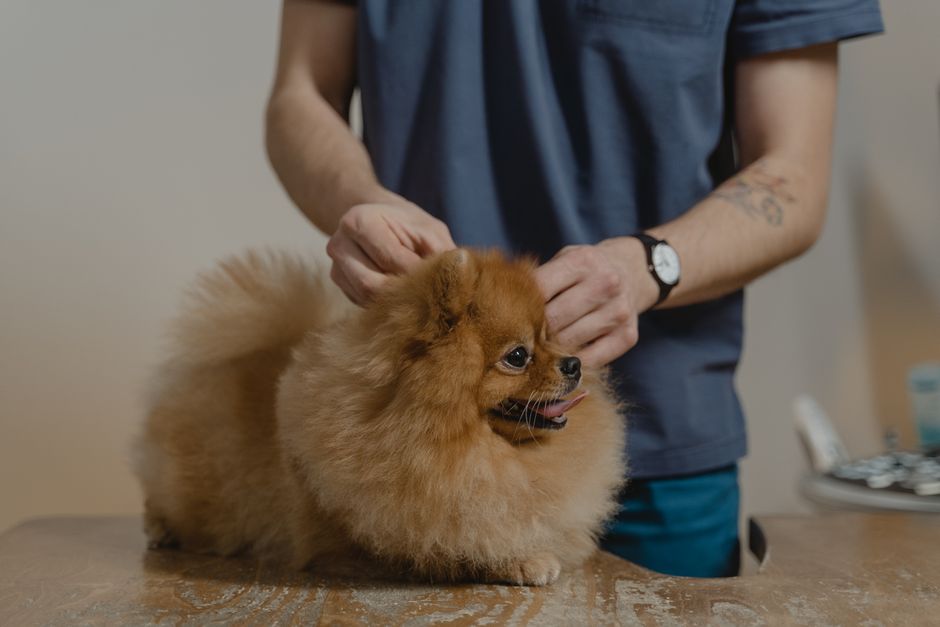
Summer allergies are more than just a nuisance for pets; they can lead to discomfort, stress, and even secondary health problems if left untreated. In both dogs and cats, symptoms of seasonal allergies often show up as changes in skin, coat, and behavior. Key signs include frequent scratching or licking, red or inflamed skin, hair loss, and the development of hot spots. You might also notice your dog shaking their head, rubbing their face on furniture, or chewing at their feet. Cats may groom excessively, leading to bald patches, or develop crusty sores around their head and neck. Respiratory symptoms such as sneezing, coughing, or watery eyes can also occur, especially when pollen counts are high. Some pets may develop recurring ear infections, which often present as head tilting, scratching at the ears, or a distinct odor. If you see any of these symptoms, it is important to pay close attention and monitor whether they get worse, especially after outdoor activities or during particularly hot, dry days.
Understanding the Causes of Summer Allergies in Pets
Allergies in pets are caused by their immune system reacting to substances in the environment that would not normally be harmful. In Grand Prairie, the summer months bring a surge of allergens due to blooming grasses, trees, weeds, and increased dust. Pollen is a major trigger, but pets can also react to mold spores, insect bites, and even certain types of grass or plants common in North Texas. Dogs and cats often come into contact with these allergens by walking through grass, rolling on the ground, or simply breathing the outdoor air. Unlike people, who usually experience allergies with sneezing and itchy eyes, pets are more likely to show skin-related symptoms. Certain breeds are more prone to allergies, including retrievers, terriers, and brachycephalic (short-nosed) dogs, but any dog or cat can be affected. Fleas, which thrive in warm weather, are another common summer allergen, as their bites can trigger intense itching and allergic reactions in sensitive pets. Environmental factors like high humidity, frequent lawn watering, and increased dust can also worsen symptoms by creating a perfect environment for molds and mites.
Managing and Treating Summer Allergies: What to Expect at the Vet
When you bring your pet to Sloan Animal Hospital for allergy concerns, our veterinary team will start with a thorough physical examination and a detailed discussion of your pet’s history and environment. Diagnosing allergies can sometimes be a process of elimination, as symptoms may overlap with other health issues. Diagnostic approaches often include a skin evaluation, checking for fleas or mites, and, if needed, laboratory tests to rule out infections or underlying conditions. In some cases, we may recommend pet diagnostic laboratory services to help pinpoint the cause of your pet’s discomfort.
Treatment for summer allergies varies depending on the severity and underlying cause. For mild cases, topical therapies such as medicated shampoos, soothing sprays, or prescription wipes can offer relief from itching and inflammation. More persistent symptoms may require oral medications like antihistamines or prescription allergy drugs. For pets with recurring ear infections or severe skin issues, additional treatments such as ear drops or anti-inflammatory medications may be necessary. In cases where a secondary skin infection is present, antibiotics or antifungal medications might be prescribed. For pets with chronic or severe allergies, we may discuss allergy testing or long-term management strategies. Our dermatology services for pets are designed to help diagnose and manage allergy-related skin conditions, ensuring your pet receives the most effective care.
Preventing Summer Allergies at Home
While not all allergies can be prevented, there are several steps you can take at home to reduce your pet’s exposure to common summer allergens in Grand Prairie. Regular bathing with a veterinarian-approved hypoallergenic shampoo can help remove pollen and dust from your pet's coat. Wiping your pet’s paws, belly, and face with a damp cloth after walks can minimize allergen contact, especially during peak pollen times. Keeping windows closed and using air conditioning or air filters inside your home can reduce indoor pollen levels. Vacuuming frequently and washing your pet’s bedding in hot water helps remove dust mites and other allergens. For pets that are allergic to fleas, staying on a year-round flea prevention program is essential. Maintaining a well-groomed lawn, free of tall grass and weeds, can also limit your pet’s exposure to pollen and insects.
If you know your dog or cat is prone to allergies, try to limit outdoor activities during early morning or late afternoon, when pollen counts are typically highest. Pay attention to local pollen forecasts and adjust your pet’s outdoor time accordingly. Providing your pet with a balanced diet and discussing nutritional support with your veterinarian may further enhance their skin health and immune system. Remember, any change in your pet’s routine or environment can have an impact, so keep a journal of symptoms and exposures to help identify potential triggers.
When to Seek Veterinary Care for Summer Allergies
While mild symptoms can sometimes be managed at home, there are times when professional veterinary care is essential. If your pet is experiencing persistent itching, open sores, hair loss, or any signs of infection such as swelling, foul odor, or discharge, it is important to schedule an appointment promptly. Sudden changes in behavior, loss of appetite, lethargy, or difficulty breathing require immediate attention. Chronic ear infections, repeated hot spots, or worsening allergy signs despite home management should also be evaluated by our veterinary team. Early intervention can prevent more serious complications and ensure your pet gets back to feeling their best. Our wellness exam services allow us to catch developing allergies early and tailor a prevention plan for your pet’s specific needs. If your pet’s symptoms worsen suddenly or you are concerned about an emergency, our emergency veterinary care is available during our regular hours.
Partnering With Your Local Veterinary Team for Ongoing Allergy Support
Living in Grand Prairie means dealing with the challenges of hot, pollen-filled summers, but with the right approach, your pets do not have to suffer. Our veterinarians at Sloan Animal Hospital are committed to supporting you every step of the way. We encourage you to keep an open dialogue with our team, share your observations, and reach out whenever you notice changes in your pet’s health. Preventive care, early detection, and ongoing management are key to keeping allergies under control.
When searching for a vet near me, look for a practice that offers comprehensive dermatology and allergy services, like Sloan Animal Hospital. Our Grand Prairie location makes it easy to visit us for regular checkups, allergy management, and urgent care. To schedule an appointment or discuss your pet’s summer allergy symptoms, call our veterinary professionals at (214) 412-2462. We are proud to serve pets and their families in Grand Prairie and surrounding communities, and we look forward to helping your dog or cat enjoy a happier, healthier summer season.
This blog is for informational purposes only and should not replace individualized veterinary advice. If you have concerns about your pet’s health, please contact your veterinarian directly for guidance tailored to your pet’s specific situation.