
May Allergies in Dogs and Cats: Relief Tips for Grand Prairie Pets

May Allergies in Dogs and Cats: Relief Tips for Grand Prairie Pets
As spring blooms in Grand Prairie, so do the challenges of seasonal allergies for many local dogs and cats. If your pet has started scratching more than usual, sneezing, or experiencing red, watery eyes, you are not alone. Springtime in North Texas brings a surge in pollen, grasses, and environmental allergens that can make your furry friend's life uncomfortable. At Sloan Animal Hospital , our team of veterinarians understands how distressing it can be to watch your pet itch and suffer. In this comprehensive guide, we will help you recognize allergy symptoms, understand what causes them, explore available treatments, and share practical tips to keep your pet comfortable throughout May and beyond. Our veterinary professionals are committed to providing personalized care for every pet, ensuring that families in Grand Prairie and surrounding communities have access to effective solutions for seasonal allergies. If you are concerned about your pet's skin or respiratory issues this spring, read on to learn how you can help—and when it is time to schedule an appointment with our team.
Recognizing Allergy Symptoms in Dogs and Cats
Many pet owners first notice allergies through changes in their pet’s behavior or appearance. Itchy skin is often the most obvious sign; you might see your dog licking their paws obsessively or your cat scratching at their ears until they are raw. Other signs include redness, hair loss, or scabs on the skin. Some pets develop watery eyes, frequent sneezing, or even ear infections as part of an allergic response. Digestive upset, such as vomiting or diarrhea, can also be linked to certain allergies, especially in cats. These symptoms often worsen during high pollen seasons like May in Grand Prairie, when grass and tree pollens are at their peak. If your pet seems uncomfortable after spending time outdoors, or if symptoms seem to flare up during walks or playtime in the yard, allergies could be the culprit. It is important to differentiate allergy symptoms from those of fleas, mites, or infections, which can look similar but require different treatment approaches. A thorough evaluation by our veterinary team can help identify the root cause of your pet’s discomfort and guide you toward the best course of action.
Why Do Pets Get Allergies in May?
Just like people, dogs and cats can be sensitive to environmental allergens, especially during the spring months. In Grand Prairie, the warm, windy weather stirs up pollen from trees, grasses, and weeds, increasing the amount of airborne irritants your pet is exposed to. Pets may also react to mold spores, dust mites inside the home, or even certain foods or household products. Allergic reactions occur when your pet’s immune system mistakenly identifies these harmless substances as threats, triggering inflammation and the release of histamines. Some breeds are more prone to allergies due to genetic factors, with retrievers, terriers, and flat-faced cats among the most commonly affected. Environmental changes, such as new plants in the garden or increased time spent outdoors as the weather improves, can also play a role. Additionally, spring is a time when parasites like fleas become more active; flea saliva is a powerful allergen for many pets, leading to intense itching and secondary skin infections. Understanding the various causes of pet allergies helps our veterinary professionals develop personalized treatment plans and guide you in minimizing your pet’s exposure to triggers.
How Allergies Differ from Other Conditions
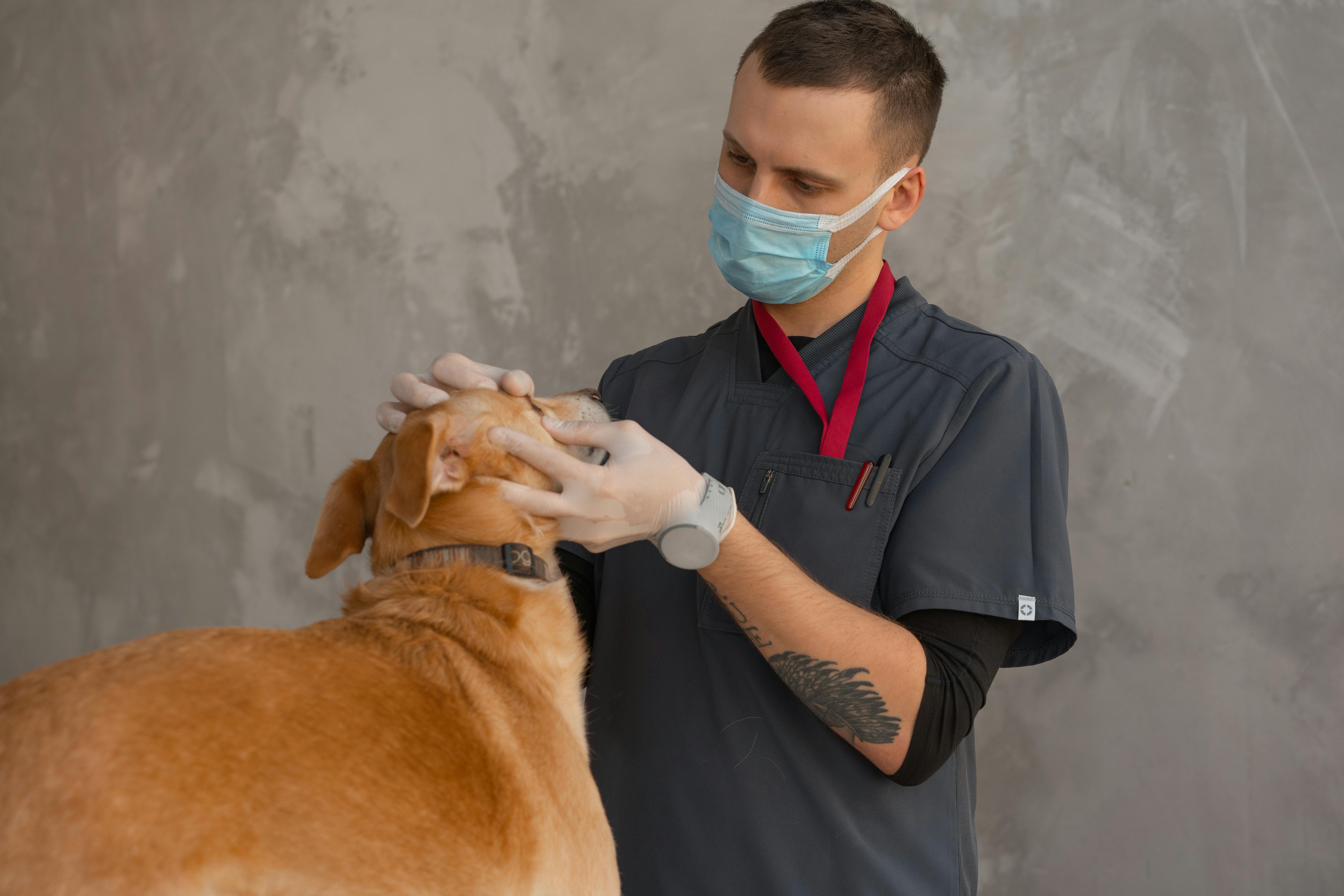
It is important to recognize that not all scratching or sneezing is due to seasonal allergies. Skin infections, mange, ear mites, and even stress can cause similar symptoms in pets. Respiratory allergies can mimic signs of upper respiratory infections, especially in cats. A professional diagnosis is essential to rule out other health concerns and ensure your pet receives the right treatment. Our veterinarians use a combination of physical examination, history, and sometimes laboratory or skin tests to pinpoint the cause of your pet’s symptoms. For more information about how we diagnose and address skin and allergy issues, visit our page on dermatology services for pets.
How Sloan Animal Hospital Treats Pet Allergies
If your dog or cat is suffering from allergies, our team offers a range of solutions to help bring them relief. The first step is a thorough examination to assess your pet’s overall health and identify any secondary infections or underlying issues. Depending on your pet’s needs, our veterinarians may recommend allergy testing, skin scrapings, or blood work to determine specific triggers. Treatment approaches involve several strategies, including medicated shampoos to soothe irritated skin, prescription antihistamines or steroids to reduce inflammation, and topical treatments for hot spots or ear infections. For pets with persistent or severe symptoms, immunotherapy (allergy shots) may be an option, gradually desensitizing your pet to troublesome allergens. In cases where food allergies are suspected, we may suggest a special elimination diet to identify and avoid problem ingredients.
Our veterinary professionals also address complications such as skin infections or ear problems that often accompany allergies. Treating these secondary issues is crucial for your pet’s comfort and long-term health. We work with you to develop a customized plan that may include environmental management, medications, and regular follow-up exams to monitor progress. Our in-house pet diagnostic lab allows us to quickly and accurately assess your pet’s condition, ensuring prompt treatment and the best possible outcome.
Ongoing Care and Support
Managing allergies is often a long-term commitment. We encourage regular rechecks to monitor your pet’s response to treatment and adjust as needed. Our goal is to keep your pet comfortable and minimize the impact of allergies on their quality of life. Whether your pet needs seasonal support or year-round management, our veterinary team is here to guide you every step of the way.
Home Care and Prevention for Allergy-Prone Pets
While professional veterinary care is essential for diagnosing and treating allergies, there are several steps you can take at home to help your pet feel better. Bathing your dog with a gentle, hypoallergenic shampoo can help remove pollen and allergens from their coat; for cats, regular brushing and wiping their fur with a damp cloth may offer relief. Keeping your home clean by vacuuming frequently, washing pet bedding in hot water, and using air purifiers can reduce exposure to dust and pollen. Limiting outdoor time during high pollen days, especially in the early morning and late evening when counts are highest, may also help. Rinsing your pet’s paws after walks prevents them from tracking allergens indoors. Feeding a balanced diet rich in omega-3 fatty acids can support healthy skin and reduce inflammation.
If your pet has food allergies, following your veterinarian’s recommended diet and avoiding table scraps or new treats is important. For those with flea allergies, maintaining a consistent flea prevention program year-round is critical. Your veterinarian may also suggest supplements or skin-supportive products tailored to your pet’s needs. These simple strategies, combined with veterinary guidance, can make a significant difference in your pet’s comfort during allergy season.
For additional information about pet allergies and how to protect your pet from environmental hazards, you can visit reputable resources such as the Companion Animal Parasite Council or the ASPCA Poison Control center.
When to Schedule a Veterinary Visit
Pet allergies can sometimes be managed with home care, but there are times when professional help is essential. You should schedule an appointment if your pet’s itching leads to open sores, hair loss, or infections; if they develop persistent ear problems; or if their symptoms do not improve with basic interventions. Sudden swelling, difficulty breathing, vomiting, or severe lethargy are urgent signs that require immediate veterinary attention. Chronic scratching can also signal other health issues, such as thyroid problems or autoimmune diseases, which our veterinarians are trained to detect. Preventive care is key, so do not wait until your pet is miserable to seek help. Our team is here to provide expert support and tailored treatment, whether your pet is struggling with mild seasonal allergies or more complex health concerns. If you are ever unsure whether your pet’s symptoms require a visit, our veterinary professionals are just a call away and ready to advise you.
Keeping Your Pet Comfortable This Allergy Season
Spring allergies do not have to mean months of misery for your dog or cat. By recognizing symptoms early, understanding the causes, and working closely with your veterinarian, you can help your pet enjoy the warmer weather with fewer symptoms. At Sloan Animal Hospital , our compassionate veterinary team is dedicated to supporting you and your pet every step of the way. Whether you need a comprehensive pet wellness examination, expert advice on allergy management, or in-depth diagnostic testing, we are here to help.
If you are searching for a vet near me who truly understands the unique allergy challenges faced by pets in Grand Prairie and surrounding communities, look no further. Schedule an appointment with our team today by calling (214) 412-2462 or visiting us at Grand Prairie, TX 75052. We look forward to partnering with you to keep your beloved pet comfortable and healthy, no matter what spring brings. If you have questions about vaccinations, skin care, or allergy prevention, explore our pet vaccination services or our detailed dermatology services for more information. Your pet’s comfort and well-being are always our top priority.