
Preventing Fleas and Ticks in Grand Prairie Pets This May


Preventing Fleas and Ticks in Grand Prairie Pets This May
As temperatures rise in Grand Prairie, the return of fleas and ticks is an all-too-familiar concern for local pet owners. These tiny parasites thrive in the warmth of spring and summer, making May the perfect time to take action and protect your dog or cat from uncomfortable bites and the health risks that come with them. At Sloan Animal Hospital , we understand how important your pet’s comfort and wellbeing are to your family. That’s why our veterinary team is here to share proven prevention strategies, practical advice, and local expertise to help you keep your pets itch-free and healthy all season long. In this guide, you’ll learn how to spot signs of fleas and ticks, why these parasites become such a problem in our region, what treatment options are available, and how to implement effective prevention at home. Whether you’re a longtime Grand Prairie resident or new to the area, our insights are designed to give you peace of mind and keep your pets protected from spring through summer. If you have questions about flea and tick prevention or need to schedule a checkup, our team is always ready to help your pet enjoy a pest-free life.
Recognizing Flea and Tick Problems in Your Pet
Many pet owners first notice a flea or tick problem when their dog or cat seems unusually itchy or uncomfortable. Key symptoms include frequent scratching, visible redness or bumps on the skin, and the appearance of small black specks (flea dirt) in your pet’s fur. You might also see your pet biting or licking certain areas excessively, especially near the base of the tail or along the legs. In some cases, pets may develop hair loss, scabbing, or even allergic reactions if the infestation is severe. When it comes to ticks, you may find a small bump while petting your dog or cat, which upon closer inspection turns out to be a tick attached to the skin. Unlike fleas, ticks often go unnoticed because they do not cause immediate itching, but they can transmit serious diseases if not removed promptly.
If your pet has recently spent time outdoors in grassy areas, wooded parks, or even your backyard, the risk of encountering fleas and ticks is even higher. The warm, humid climate in Grand Prairie and surrounding communities creates an ideal environment for these pests to thrive. It is important to check your pet’s fur and skin regularly, especially after walks or playtime outside. Early detection is key in preventing more significant health issues down the road.
Why Fleas and Ticks Are a Big Deal in Grand Prairie
Fleas and ticks are not just a nuisance; they pose real health risks to both pets and people. Fleas can cause intense itching, allergic reactions, and even anemia in severe cases. They also carry tapeworms, which can infect your pet if a flea is accidentally swallowed during grooming. Ticks, on the other hand, are notorious for transmitting diseases such as Lyme disease, ehrlichiosis, and Rocky Mountain spotted fever. While these illnesses are not as commonly reported in Grand Prairie as in other parts of the country, tick-borne diseases are on the rise across Texas, making prevention even more critical.
The reason fleas and ticks become especially problematic in May is because rising temperatures and increased humidity accelerate their life cycles. Flea eggs and larvae can survive in shaded outdoor areas, carpets, and bedding, waiting for the right conditions to hatch and seek out a host. Ticks are often found in tall grass, shrubs, and wooded environments, where they wait for passing animals to latch onto. Urban and suburban settings like Grand Prairie, with their mix of parks, trails, and residential yards, provide plenty of opportunities for these parasites to find new hosts.
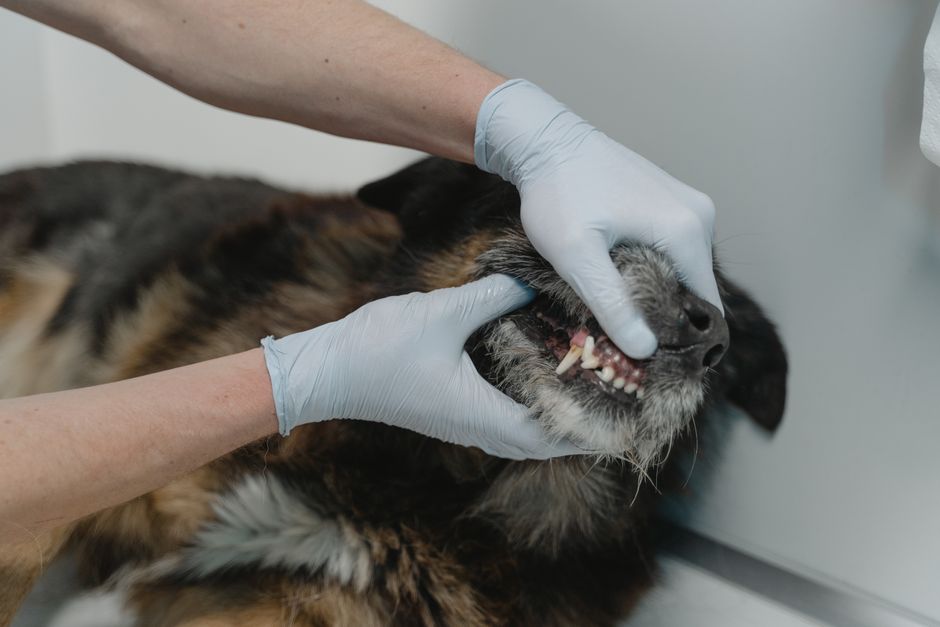
Regular preventive care is essential to keep fleas and ticks from becoming a recurring problem. Our pet examinations can help identify early signs of infestation and guide you in choosing the best protection for your pet’s lifestyle and risk level.
What to Do If Your Pet Has Fleas or Ticks
Discovering fleas or ticks on your dog or cat can be stressful, but effective treatment is available. The first step is to consult your veterinarian for an accurate diagnosis and a safe, tailored treatment plan. At Sloan Animal Hospital , we offer a range of solutions that are both effective and gentle on your pet.
Treatment approaches for fleas usually involve a combination of topical or oral medications that kill adult fleas and prevent new ones from hatching. Some products offer the added benefit of protecting against ticks and other parasites at the same time. It is important to treat all pets in your household, even if only one is showing signs, as fleas can quickly spread from one animal to another.
For tick removal, carefully use fine-tipped tweezers to grasp the tick as close to the skin as possible and pull it out slowly and steadily. Avoid crushing the tick’s body, as this can increase the risk of infection. After removal, clean the area with antiseptic and monitor your pet for any signs of illness such as lethargy, fever, or loss of appetite. If you are unsure about removing a tick or if the tick has been attached for more than 24 hours, schedule an appointment with our veterinary team for professional assistance.
In some cases, especially with heavy infestations or pets with underlying health issues, additional treatments such as medicated shampoos, prescription preventives, or environmental control measures may be necessary. We can recommend the most appropriate products for your situation and ensure they are safe for your pet’s age, health status, and species. You can also find a variety of trusted preventive options through our Sloan Animal Hospital Online Pharmacy, making it easy to keep your pet protected all year long.
Preventing Fleas and Ticks: Steps Pet Owners Can Take at Home
The best way to manage fleas and ticks is through consistent prevention. Key steps include using veterinarian-recommended monthly preventives, keeping your yard tidy, and practicing regular pet hygiene. By applying a monthly preventive product as directed by your veterinarian, you can stop infestations before they start. These medications are available in several forms, such as topical treatments, oral chews, and collars, making it easy to find an option that works for your pet and your family’s routine.
Other important prevention measures involve maintaining a clean environment both inside and outside your home. Vacuum carpets, rugs, and furniture frequently, and wash pet bedding in hot, soapy water on a regular schedule. Outdoors, keep lawns mowed and shrubs trimmed to reduce areas where fleas and ticks can hide. If you live near wooded or brushy areas, consider creating a barrier between your yard and these environments, such as a gravel or mulch border, to discourage ticks from crossing into pet play spaces.
Regularly inspect your dog or cat for signs of fleas and ticks, especially after spending time outside. Pay close attention to common hiding spots like behind the ears, under the collar, and between the toes. If your pet has sensitive skin or a history of allergies, our dermatology services can help address any skin irritation or reactions caused by parasites.
For more information on parasite prevention and current recommendations, visit the Companion Animal Parasite Council or the American Heartworm Society. These resources offer up-to-date guidance for keeping pets safe from fleas, ticks, and other common threats.
When to Seek Veterinary Care for Flea and Tick Issues
Prompt veterinary attention is important any time you suspect your dog or cat may have a flea or tick problem. Warning signs that warrant a visit include persistent scratching, visible fleas or ticks that do not resolve with home care, scabs or sores on the skin, or signs of illness such as lethargy, lack of appetite, or fever. If your pet is very young, elderly, or has a chronic health condition, it is especially important to address parasite concerns quickly, as these animals are more susceptible to complications.
Our veterinary professionals can help you determine the safest and most effective course of action based on your pet’s specific needs and medical history. We recommend scheduling a routine wellness examination each year to stay ahead of potential problems and update parasite prevention as needed. If you are concerned about a sudden change in your pet’s behavior or appearance, do not wait—early intervention can make a significant difference in your pet’s comfort and recovery.
Remember, some over-the-counter products may not be safe or effective for every pet, especially cats or pets with special health considerations. Always consult your veterinarian before starting any new flea or tick medication.
Keeping Your Grand Prairie Pet Itch-Free and Healthy
Flea and tick prevention is a year-round commitment, but spring and summer are the most critical times to stay vigilant in Grand Prairie and surrounding communities. By recognizing the early signs of infestation, understanding how these pests thrive in our local climate, and using veterinarian-approved prevention strategies, you can help your dog or cat enjoy the outdoors without worry.
If you are searching for a trusted "vet near me" to help with flea and tick prevention, Sloan Animal Hospital is here to support you every step of the way. Our compassionate veterinary team is dedicated to providing thorough, personalized care for your pet, from routine checkups to advanced dermatology and parasite management. Whether you need advice on prevention, treatment for an active infestation, or recommendations for the best products, we are here to help.
Ready to protect your pet this May and beyond? Schedule an appointment at Sloan Animal Hospital or call us at (214) 412-2462 to set up a visit. Our team looks forward to keeping your pets healthy, comfortable, and parasite-free all season long. For directions to our clinic, view our Grand Prairie, TX location.
Disclaimer: This article is for educational purposes only and does not replace professional veterinary advice. Always consult your veterinarian for diagnosis and treatment recommendations specific to your pet’s needs.