
November Pet Care Tips for Mild Texas Weather

November Pet Care Tips for Mild Texas Weather
As the crisp air of November settles over Grand Prairie, pet owners begin to notice subtle changes in their dogs’ and cats’ routines. While Texas autumns are famously mild, the shift in temperature and daylight can still impact your pet’s health, comfort, and daily habits. At Sloan Animal Hospital , our veterinary team understands how local climate and seasonal changes affect everything from your pet’s joint health to their activity levels. Whether you’re a new pet parent or a long-time resident looking for advice, our comprehensive November pet care tips are designed to help your furry companions thrive as the seasons change.
In this blog, we’ll explore how mild Texas weather influences pet health in Grand Prairie and surrounding communities. You’ll learn how to adapt exercise routines, support aging joints, and maintain a healthy diet through autumn. We’ll also discuss the importance of regular checkups and highlight when to seek veterinary care for any seasonal concerns. If you’re searching for seasonal advice or a “vet near me” who truly understands local pet health, you’re in the right place. For those interested in scheduling a wellness examination or learning more about our services, visit us at 2942 West Camp Wisdom Rd, Grand Prairie, TX 75052.
Read on to discover practical, veterinarian-approved tips for keeping your pet healthy and happy this November.
Recognizing Seasonal Changes in Your Pet’s Behavior
Pets often respond to environmental shifts in ways that may not be immediately obvious. As daylight shortens and temperatures cool, you might observe subtle changes in your dog’s or cat’s mood, appetite, or enthusiasm for outdoor activities. Key signs that your pet is adjusting to November’s mild Texas weather include a preference for cozy spots, slightly decreased activity, or reluctance to go outside during chilly mornings. Some pets, especially seniors, may start to show signs of joint stiffness, like hesitating before climbing stairs or taking longer to get up after resting. Additionally, cats may seek out sunny windowsills more often, while dogs could spend more time napping. These seasonal adaptations are normal, but it’s important to differentiate between mild changes and indicators of potential health concerns.
If you notice your pet becoming unusually lethargic, experiencing persistent limping, or showing sudden changes in appetite or behavior, these may signal issues that require veterinary attention. Early intervention is key to maintaining your pet’s well-being as the seasons transition.
Why November’s Mild Texas Weather Affects Pet Health
Though November in Grand Prairie rarely brings frigid temperatures, even a modest drop in warmth can influence your pet’s comfort and physiology. For pets accustomed to hot Texas summers, the cooler air of autumn can feel invigorating, encouraging extra playtime outdoors. However, the change can also bring unique health challenges. Fluctuations in temperature often contribute to mild joint stiffness, particularly in senior pets or those with a history of orthopedic issues. This is because cooler air can cause muscles and joints to tighten, leading to discomfort during physical activity.
Additionally, shorter days can disrupt regular exercise routines, especially for busy families who walk their pets after work. Reduced activity may result in weight gain or decreased muscle tone, which can further impact joint health. November also brings about changes in allergens; while pollen counts drop, dust and mold may become more prominent indoors as windows are closed more often. These environmental factors can aggravate existing respiratory or dermatological conditions.
Understanding how mild Texas weather affects pet health helps you anticipate your pet’s needs, allowing you to make thoughtful adjustments that keep them comfortable and active throughout the fall.
Supporting Joint Health and Activity During Autumn
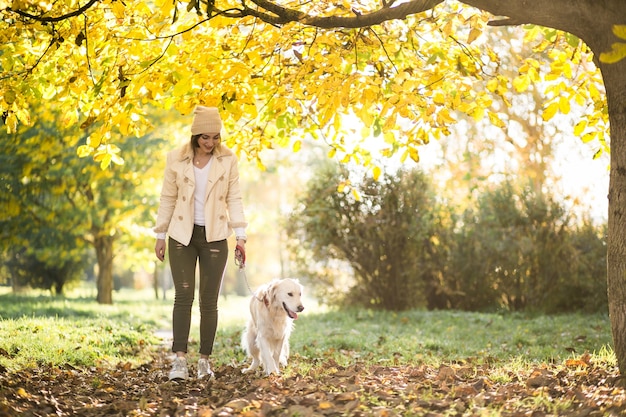
Maintaining your pet’s mobility and comfort is particularly important as the weather cools. Joint health support for pets in Grand Prairie during November involves a combination of regular, moderate exercise and thoughtful management of any underlying orthopedic conditions. For dogs, opt for brisk walks during the warmer parts of the day, such as late morning or early afternoon. If your schedule or the sun sets early, consider shorter, more frequent walks or engaging your pet with indoor activities like interactive toys or gentle games of fetch in a safe space.
Senior pets and those with arthritis benefit from gentle movement to keep joints lubricated and muscles strong. Signs that your pet may be experiencing joint discomfort include stiffness after rest, reluctance to jump or climb, and changes in gait. If you suspect your pet’s mobility is declining, our veterinary team can assess their condition and discuss tailored options for orthopedic care. These may include recommendations for exercise modifications, dietary adjustments, or pain management strategies. For more information on how we can help your pet stay active and comfortable, explore our orthopedic services for joint health, mobility, and pet activity support.
Cats, though often less obvious in their movements, also require encouragement to stay active. Try rotating toys or creating vertical spaces, like cat trees, to stimulate gentle climbing and stretching. Regular movement supports healthy joints, helps control weight, and can improve your cat’s overall mood as the seasons change.
Nutrition and Weight Management in Mild Texas Weather
As routines shift and outdoor time may decrease, monitoring your pet’s diet is crucial for maintaining a healthy weight. Overfeeding, combined with reduced activity, can quickly lead to weight gain in both dogs and cats. Obesity not only exacerbates joint issues but can also increase the risk of other health problems, such as diabetes and heart disease.
Nutritional needs for pets in Grand Prairie may vary slightly through the fall. Some pets require fewer calories if they are less active, while others may need dietary adjustments to manage chronic health issues revealed or aggravated by the season. Our veterinarians can guide you in choosing the right food and portion sizes for your pet’s age, lifestyle, and health status. For personalized recommendations or to address specific concerns, consider scheduling a visit for pet nutritional counseling to support healthy weight and wellness.
You can also incorporate healthy snacks, such as raw carrots or green beans for dogs, as alternatives to calorie-dense treats. For cats, interactive feeding toys can encourage natural hunting behaviors while slowing down mealtime.
Preventing Seasonal Illnesses and Allergies
Even in mild weather, certain health risks persist or emerge as the seasons change. Indoor allergens like dust mites or mold may become more prominent as pets and families spend more time inside. Symptoms of allergies include increased licking or scratching, watery eyes, sneezing, or mild respiratory distress. Additionally, while the risk of some outdoor pests diminishes, fleas and ticks can remain active through autumn in Texas.
Routine preventive care is essential for protecting your pet against seasonal illnesses. This includes maintaining up-to-date vaccinations and discussing parasite prevention with your veterinarian. If you have not scheduled your pet’s annual checkup, November is an ideal time to book a wellness examination for pets to ensure ongoing health and early detection of issues. Regular exams help catch potential problems early and keep your pet on track for a healthy winter.
Environmental management also plays a role in prevention. Keeping bedding clean, using air purifiers, and vacuuming regularly can help minimize indoor allergens. If you notice persistent symptoms, consult your veterinarian for guidance and potential allergy testing.
When to Seek Veterinary Care This November
While many seasonal changes in pets are harmless, certain signs should prompt a professional evaluation. You should schedule an appointment with a veterinarian near me if your pet displays persistent lethargy, limping, coughing, changes in appetite, vomiting, or diarrhea that lasts more than a day. Additional warning signs include difficulty breathing, repeated scratching or biting at the skin, or any sudden behavioral changes.
Pets with chronic conditions, such as arthritis or diabetes, may require more frequent monitoring during seasonal transitions. Our veterinary professionals can recommend appropriate adjustments in medication, diet, or activity to support your pet’s continued health. If you are ever unsure about a symptom or need advice on whether to bring your pet in, our team at Sloan Animal Hospital is here to help. Prompt attention to emerging concerns is the best way to ensure your pet stays healthy and comfortable as the weather shifts.
Home Care Tips for Healthy Pets All Autumn
Supporting your pet’s well-being at home is just as important as professional veterinary care. Consistent routines, gentle exercise, and a balanced diet are key elements in keeping your pet’s body and mind engaged. Provide cozy bedding in a warm spot away from drafts, and make sure your pet has access to fresh water at all times. For dogs, consider adding a few extra minutes to walks during pleasant afternoons, and for cats, rotate toys weekly to maintain their interest.
Monitor your pet’s weight and body condition regularly, and use seasonal downtime to brush up on training or introduce new activities. If you have questions about changes in your pet’s behavior or health this autumn, our veterinary team can offer guidance tailored to your pet’s needs.
Conclusion: Prioritizing Your Pet’s Health This November
As November brings cooler weather and subtle routine changes, being proactive ensures your pet remains healthy and happy all season long. By recognizing signs of seasonal adjustment, maintaining joint health and activity, and providing a balanced diet, you can help your pet thrive in the mild Texas weather. Remember, regular preventive care and prompt attention to emerging concerns make all the difference.
If you’re looking for a quality vet near me or need location-specific services like joint health support or nutritional counseling in Grand Prairie, our team at Sloan Animal Hospital is ready to help. Schedule an appointment for a wellness examination or reach out for nutritional counseling to keep your pet on the path to wellness. You can find us at 2942 West Camp Wisdom Rd, Grand Prairie, TX 75052, or call (214) 412-2462 to schedule your next visit.
Our veterinary professionals are committed to the health of your pets in Grand Prairie and the surrounding communities. Together, let’s make November a season of comfort, activity, and vibrant pet health.
Disclaimer: This blog is intended for educational purposes only and does not replace professional veterinary advice. Always consult a veterinarian for concerns about your pet’s health or before making changes to their routine or diet.