
Spring Allergies in Pets: Signs Grand Prairie Owners Should Watch

Spring Allergies in Pets: Signs Grand Prairie Owners Should Watch
As spring arrives in Grand Prairie, pet owners may notice their dogs and cats scratching, sneezing, or licking more than usual. The warmer weather, blooming plants, and increased pollen in the air can trigger seasonal allergies in pets just as they do in people. At Sloan Animal Hospital , we frequently see pets whose springtime discomfort turns out to be allergic reactions to their environment. In this blog, we’ll help you recognize the most common signs of spring allergies in pets, explain why these symptoms occur, and offer practical steps you can take to keep your furry family members comfortable. You’ll also learn when it’s time to schedule an appointment with our veterinary team here in Grand Prairie and how our services can help.
Spring allergies can be confusing for pet owners, especially when symptoms overlap with other health conditions. By understanding what to watch for and how to respond, you can help your pet enjoy the season to the fullest. Our team of veterinarians is here to support you with comprehensive allergy diagnostics, treatment, and ongoing care. If you’re concerned about your pet’s springtime symptoms, know that help is just a call away at (214) 412-2462 or by visiting our convenient Grand Prairie location.
Recognizing Spring Allergy Symptoms in Dogs and Cats
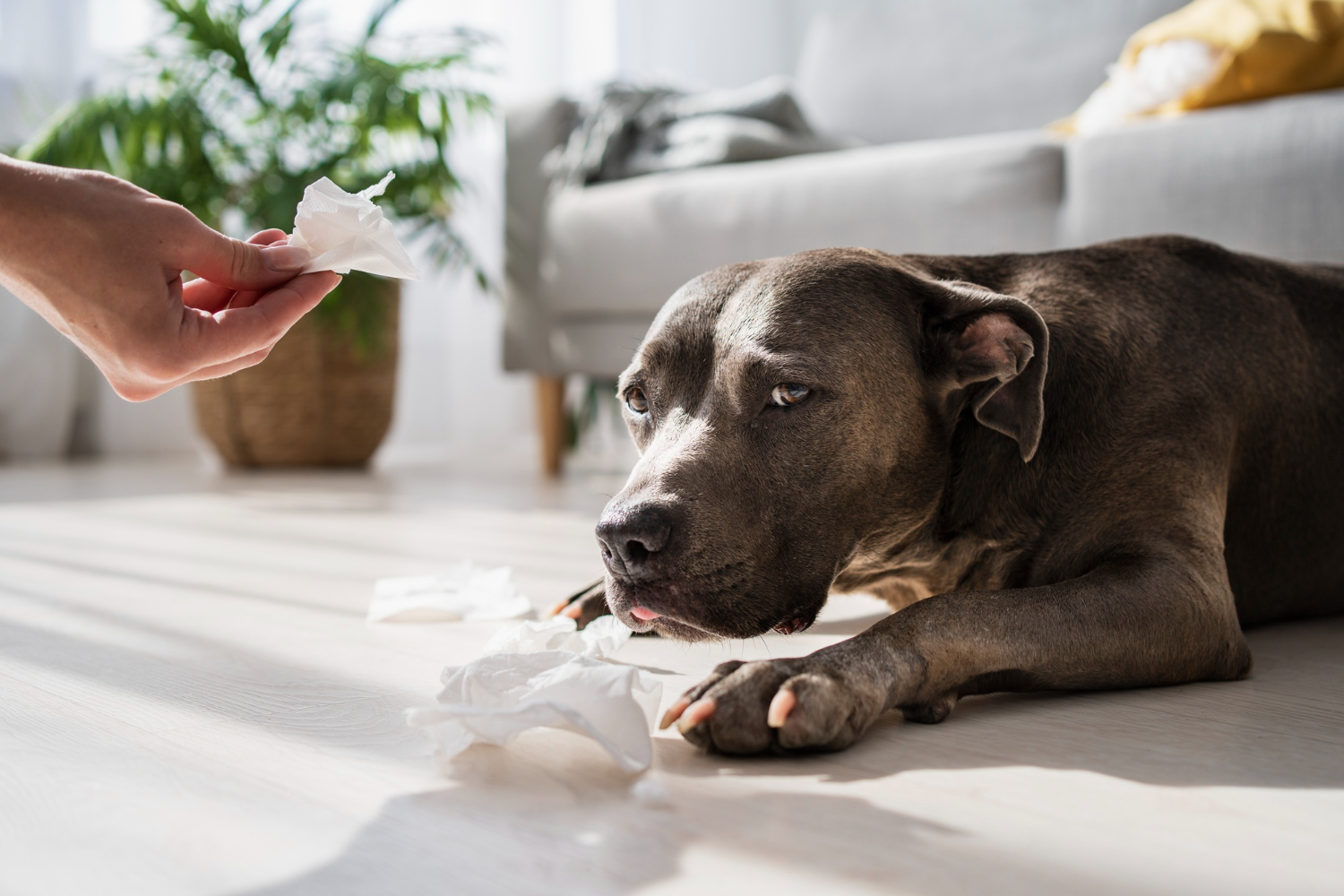
Allergy symptoms in pets can be subtle at first or appear suddenly as the weather shifts. Key symptoms include frequent scratching or licking, especially at the paws, belly, ears, or face. You might see your dog rolling on the carpet or your cat grooming excessively, particularly after spending time outdoors. Sneezing, watery eyes, and a runny nose are also common, and some pets develop red, inflamed skin or scabs from constant itching. In more severe cases, pets may lose patches of fur or develop hot spots.
Other signs to watch for are recurring ear infections, head shaking, or an unpleasant odor from the skin or ears. Some pets experience digestive changes such as vomiting or diarrhea, though these are less commonly linked to environmental allergies. If you notice your pet’s symptoms getting worse after walks, playtime outside, or changes in weather, spring allergies could be the culprit.
It’s important to remember that allergy symptoms can mimic other health problems, including skin infections or flea infestations. That’s why a thorough wellness examination by a veterinarian is essential if your pet displays any of these signs.
What Causes Spring Allergies in Grand Prairie Pets?
Spring allergies in pets are most often triggered by environmental allergens that become more prevalent as temperatures rise. Common culprits include pollen from trees, grasses, and weeds, which can cling to your pet’s fur and skin after trips outside. Mold spores, dust mites, and even certain insects become more active in spring, increasing the allergen load both indoors and out.
In Grand Prairie and surrounding communities, the March and April climate brings a surge in pollen counts. Pets that spend time in the yard, visit parks, or accompany you on errands are especially at risk. Some breeds are more prone to allergies due to genetics or sensitive skin, but any pet can develop a reaction over time.
Unlike humans, who often develop respiratory symptoms, pets are more likely to show allergic reactions through their skin. This means that itching, redness, and hair loss are frequently the first indicators that your dog or cat is struggling with seasonal allergies.
How Our Veterinary Team Diagnoses and Treats Allergies
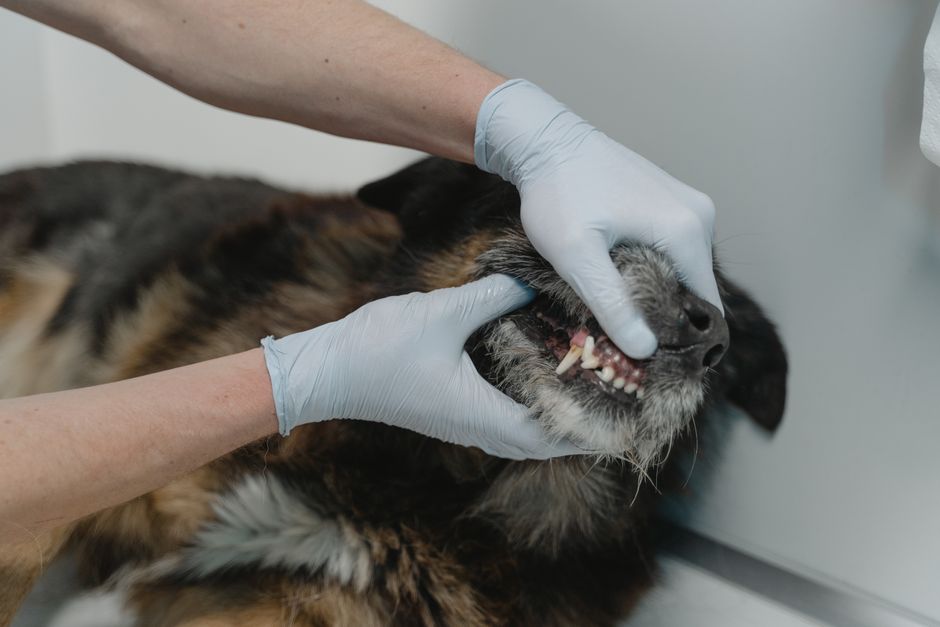
If you suspect your pet is suffering from spring allergies, our veterinary professionals at Sloan Animal Hospital are here to help. During a consultation, we start by gathering a comprehensive history and performing a physical exam focused on the skin, ears, and overall health. Diagnostic tests may be recommended to rule out other causes of itching, such as parasites or infections. Our in-house pet diagnostic lab allows us to quickly check for underlying health conditions that may complicate allergies.
Treatment approaches involve several strategies, tailored to your pet’s specific needs. These may include medicated shampoos or topical sprays to soothe irritated skin, oral antihistamines or anti-itch medications, and prescription diets that support skin health. For pets with more severe or chronic allergies, our team may recommend allergy testing or referral to a veterinary dermatologist. Management may also involve regular dermatology services to address persistent skin issues and monitor progress.
In some cases, secondary infections can develop due to constant scratching or licking. If this occurs, antibiotics or antifungal medications may be prescribed to help your pet recover. Our priority is to relieve your pet’s discomfort while identifying and addressing the root cause of their symptoms.
Home Care and Prevention: Keeping Your Pet Comfortable This Spring
While professional veterinary care is essential for diagnosing and managing allergies, there are several steps you can take at home to minimize your pet’s exposure to allergens. Wiping down your dog’s paws and fur after walks helps remove pollen and dust before it reaches sensitive skin. Regular baths with a veterinarian-recommended shampoo can soothe irritation and wash away allergens. Vacuuming carpets and washing your pet’s bedding frequently reduces indoor allergen buildup.
Consider limiting outdoor time during peak pollen hours, which are typically in the early morning and late afternoon. For cats that spend time on patios or in the yard, providing a clean indoor space can help reduce exposure. A high-quality diet and regular grooming support healthy skin, which acts as a barrier against environmental irritants.
If your pet is already on a treatment plan for allergies, be sure to follow your veterinarian’s instructions carefully regarding medications and follow-up visits. Communicating any changes in your pet’s symptoms helps our veterinary team adjust care as needed for the best results.
When Should You Call the Veterinarian for Allergies?
While mild symptoms can sometimes be managed at home, certain warning signs indicate that it’s time to schedule an appointment with your veterinarian. If your pet is scratching or licking so much that skin is broken or bleeding, if you notice red, swollen, or oozing areas, or if your pet develops repeated ear infections, prompt veterinary care is necessary. Other red flags include loss of appetite, significant hair loss, lethargy, or a change in behavior.
In cases where your pet’s quality of life is affected by constant discomfort or you are unsure of the cause, professional guidance is the safest option. Our team of veterinarians can help distinguish between allergies and other conditions, provide immediate relief, and create a long-term management plan tailored for your pet.
Remember that allergies can become more serious if left untreated, leading to secondary infections and ongoing discomfort. Early intervention makes treatment more effective and helps your pet return to their happy, playful self.
Supporting Your Pet Through Allergy Season in Grand Prairie
Spring allergies may be a challenge, but with the right care and support, your pet can thrive through the season. At Sloan Animal Hospital , we’re dedicated to helping your dogs and cats enjoy life free from the discomfort of allergies. Our veterinary professionals offer everything from thorough pet examinations to advanced dermatology services and ongoing preventive care.
If you’re searching for a veterinarian near me who understands the unique needs of pets in Grand Prairie and surrounding areas, look no further than our compassionate team. To schedule an appointment or discuss your pet’s symptoms, call us at (214) 412-2462 or visit our Grand Prairie location. We’re here to answer your questions, offer expert advice, and provide the care your pet deserves.
If you want to learn more about our full range of veterinary services, explore our complete list of offerings. Let our team help your pet breathe easier and feel better this spring and beyond.
This blog is intended for informational purposes only and does not replace professional veterinary advice. Always consult with your veterinarian regarding specific concerns about your pet’s health.