
Spring Pet Dental Care Tips for Grand Prairie Owners


Spring Pet Dental Care Tips for Grand Prairie Owners
Springtime in Grand Prairie brings a welcome change of season, but it can also be a reminder that your pet’s dental health deserves fresh attention. If you have ever noticed that your dog or cat’s breath is less than pleasant, you are not alone. Dental disease is one of the most common health issues our veterinarians see, and it can have a real impact on your pet’s overall happiness and comfort. At Sloan Animal Hospital , our veterinary team is dedicated to helping pets and owners enjoy a healthier, fresher start to the season. In this guide, we will explore why spring is the perfect time to focus on dental care, the warning signs that your pet may need help, and how professional pet dental cleanings and other advanced services at our Grand Prairie animal hospital can make all the difference. Whether you are in Grand Prairie or one of the surrounding communities, read on to learn how you can protect your pet from gum disease and keep them smiling all year long.
Recognizing the Signs of Pet Dental Disease
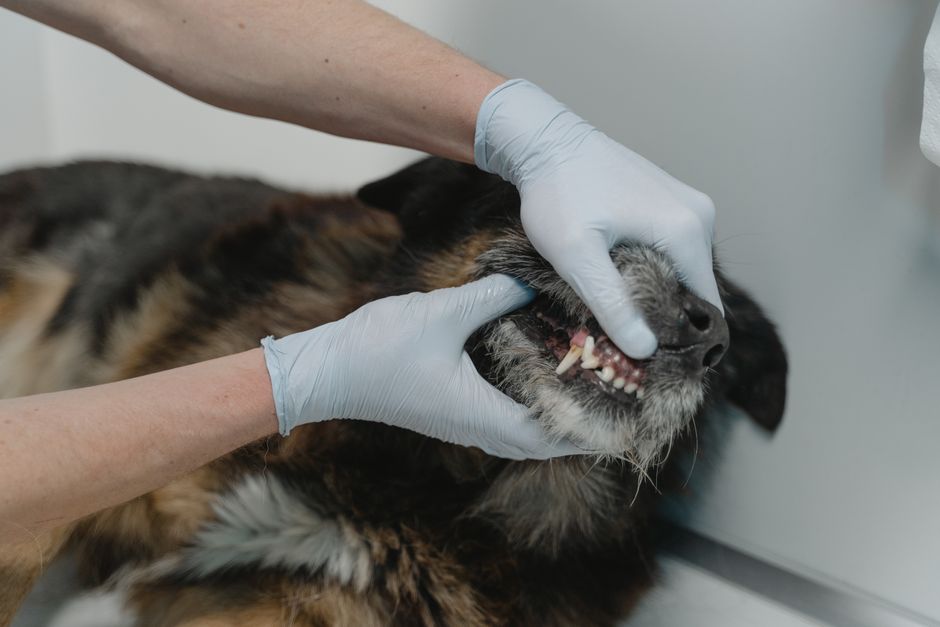
Many pet owners are surprised to learn how common dental problems are in dogs and cats. Unfortunately, dental disease often develops quietly, with subtle warning signs that can be easy to overlook until the problem becomes advanced. Key symptoms of dental disease in pets include persistent bad breath, which is often the first clue that bacteria are accumulating in the mouth. You may also notice red or swollen gums, yellow or brown tartar buildup along the gumline, and visible discomfort while eating. Additionally, pets might paw at their face, avoid chewing on toys, or even drop food from their mouths during meals. In more severe cases, warning signs are loose or missing teeth, bleeding from the mouth, facial swelling, or sudden reluctance to let you touch around the jaws or muzzle.
It is important to remember that some animals hide pain remarkably well. Just because your dog or cat is still eating does not mean everything is fine. Dental discomfort can lead to decreased appetite, irritability, and a gradual decline in quality of life. If you notice any of these changes this spring, it is time to schedule a dental examination with our veterinary professionals.
Why Do Pets Develop Dental Problems?
Understanding what causes dental disease in pets can help owners take a proactive approach to prevention. Dental disease, also known as periodontal disease, is primarily driven by the accumulation of plaque and tartar on the teeth. Plaque is a sticky film made up of bacteria, saliva, and food debris. Over time, if not removed by brushing or professional cleaning, it hardens into tartar that traps bacteria against the gumline and beneath the surface of the gums.
Other contributing factors include the shape of your pet’s mouth, their age, and even the food they eat. Small-breed dogs and some cat breeds are especially prone to dental issues due to crowded teeth or genetic predisposition. Pets that eat only soft food or receive frequent treats without appropriate dental care may be at increased risk. Certain medical conditions, such as diabetes or immune system disorders, can also make dental infections more likely or severe.
Spring is a great time to reassess your pet’s dental health because the change in weather often brings renewed energy to both pets and owners. As you spend more time outdoors or update your home routines, it is natural to think about all aspects of your pet’s wellness, including their teeth and gums.
Professional Dental Treatment Options at Sloan Animal Hospital
When dental disease is present, professional veterinary care is the only way to address the underlying problem safely and thoroughly. At Sloan Animal Hospital , our team provides comprehensive dental services tailored to your pet’s individual needs. Treatment options involve a detailed oral examination, which is performed under anesthesia for your pet’s comfort and safety. This allows our veterinarians to check for hidden problems beneath the gumline and to thoroughly clean all surfaces of the teeth.
During a professional cleaning, we use specialized instruments to remove both visible tartar and plaque that is hidden under the gums. Our hospital is equipped with advanced technology, including dental radiography for pets, which helps us detect issues such as bone loss, tooth root abscesses, or impacted teeth that are not visible during a routine exam. In cases where a tooth is too damaged to be saved or is causing pain, our veterinarians may recommend pet tooth extractions to prevent further infection and discomfort.
The benefits of professional dental care go far beyond fresher breath. Addressing dental disease early helps protect your pet’s heart, kidneys, and overall immune system from the harmful effects of chronic infection. Many owners are amazed at how much happier and more energetic their pets become after proper dental treatment.
At-Home Dental Care and Preventive Steps
While professional cleanings are essential, there are many steps you can take at home to help maintain your pet’s dental health between visits. Brushing your dog or cat’s teeth regularly is the gold standard for plaque removal. Special pet toothbrushes and veterinary-approved toothpaste make this process easier and more pleasant for both you and your pet. If brushing is not possible, dental chews, water additives, and specially formulated diets can help reduce plaque buildup.
Establishing a daily or weekly dental care routine in the spring can pay off throughout the year. Try to create a positive experience with praise and gentle handling to make dental care a bonding activity. Always use products that are specifically labeled as safe for pets, as human toothpaste and some dental treats may contain ingredients that are harmful to animals.
Routine dental checkups are also an important part of prevention. During your pet’s annual wellness visit, our veterinarians will assess their teeth and gums and recommend the right timing for professional cleanings or additional treatments. Early intervention is the key to preventing more serious problems and can help your pet maintain a healthy, pain-free mouth for life.
When to Schedule a Veterinary Dental Exam
Knowing when to seek professional care can make all the difference for your pet’s comfort and long-term health. If you notice any of the warning signs discussed earlier—such as persistent bad breath, swollen gums, visible tartar, or changes in eating habits—it is time to schedule a dental exam. Even if your pet seems healthy, regular checkups are essential because dental disease can progress silently.
In some cases, prompt treatment is needed. Call our veterinary team right away if your pet shows signs of severe pain, bleeding from the mouth, facial swelling, or sudden tooth loss. These symptoms can indicate advanced infection or other complications that require immediate attention.
For pet owners searching for a "vet near me" for dental care, it is important to choose a clinic with both the experience and technology to provide safe, thorough treatment. At Sloan Animal Hospital , we are committed to gentle, effective dental care that supports your pet’s wellbeing now and in the future.
Take the Next Step Toward Healthier Smiles This Spring
Your pet’s dental health is a crucial part of their overall happiness and vitality. By recognizing early warning signs, understanding the causes of dental disease, and taking advantage of both at-home care and professional services, you can help your furry family member enjoy a brighter, healthier spring. If you are ready to schedule a dental checkup or have questions about your pet’s oral health, our veterinary professionals are here to help.
Contact Sloan Animal Hospital today to schedule an appointment or discuss your pet’s dental needs. You can reach us at (214) 412-2462, or visit our conveniently located clinic at Grand Prairie, TX 75052. We proudly serve Grand Prairie and surrounding communities, and we are always happy tzo welcome new and returning patients into our preventive care programs. For more information on our comprehensive dental services, including professional pet dental cleanings, dental radiography, and tooth extractions, explore our website or call us directly. Let us help your pet greet the season with a happy, healthy smile—schedule your spring dental checkup today.
This article is intended for educational purposes only and does not replace professional veterinary advice. For specific concerns about your pet’s dental health, please consult your veterinarian.