
Traveling With Pets in Texas Heat: Tips for Summer Safety

Traveling With Pets in Texas Heat: Tips for Summer Safety
As summer temperatures soar in Grand Prairie and throughout Texas, pet owners often look forward to road trips, outdoor adventures, and vacation getaways. While these plans create wonderful opportunities for bonding with your dog or cat, it’s crucial to remember that the intense Texas heat poses serious risks to your pet’s health—especially during travel. At Sloan Animal Hospital , our veterinary team understands how important it is for your pets to be part of your summer memories, and we’re here to help you keep them safe and comfortable every step of the way. In this guide, you’ll learn how to spot signs of heat stress, understand the unique dangers of summer travel for pets, get practical tips for prevention and hydration, and know when it’s time to seek veterinary care. Whether you’re planning a day trip to a nearby park or a cross-state drive, our team is ready to support pet owners in Grand Prairie and surrounding communities with expert advice and comprehensive care.
If you’re preparing for summer travel with your pet, consider scheduling a wellness and preventive care exam before you hit the road. This helps ensure your pet is in top shape for adventure and gives you peace of mind while traveling.
Recognizing Heat Stress: How to Tell If Your Pet Is Overheating
Traveling during the hot summer months introduces several new risks for dogs and cats, especially when confined to vehicles or spending time outdoors. Heat stress can develop quickly and may be life-threatening if not recognized in time. Key signs your pet may be struggling with the heat include excessive panting, drooling, restlessness, rapid heart rate, and bright red or pale gums. Some pets may appear weak, uncoordinated, or even collapse. For cats, symptoms may be subtler, such as open-mouth breathing, lethargy, or hiding. Vomiting, diarrhea, and confusion can occur in both dogs and cats as heat stress progresses.
It’s particularly important to watch for these signs if your pet has a flat face (like Bulldogs or Persians), is overweight, senior, or has a history of heart or respiratory problems. Recognizing these warning signals early can be the difference between a quick recovery and a serious emergency.
Why Summer Travel Is Risky: Understanding the Hazards
The Texas climate is known for its high temperatures, strong sun, and humidity. When you combine this with car rides, new environments, and travel routines, the risk of heat-related issues increases significantly for pets. One major hazard is the greenhouse effect inside parked vehicles; even with windows cracked, a car can become dangerously hot in just minutes, leading to heatstroke or even death.
Additionally, long hours on the road can make it difficult to provide regular access to water and shade. Pavement, sand, and other surfaces can become blisteringly hot, burning paw pads and causing discomfort. Some pets may become anxious in unfamiliar settings, pant excessively, or refuse to drink, putting them at even greater risk of dehydration.
For many pet owners, it’s easy to get caught up in travel plans and overlook subtle dangers. Understanding these factors helps you make safer choices for your pet throughout your journey.
Keeping Your Pet Safe: Management and Professional Care
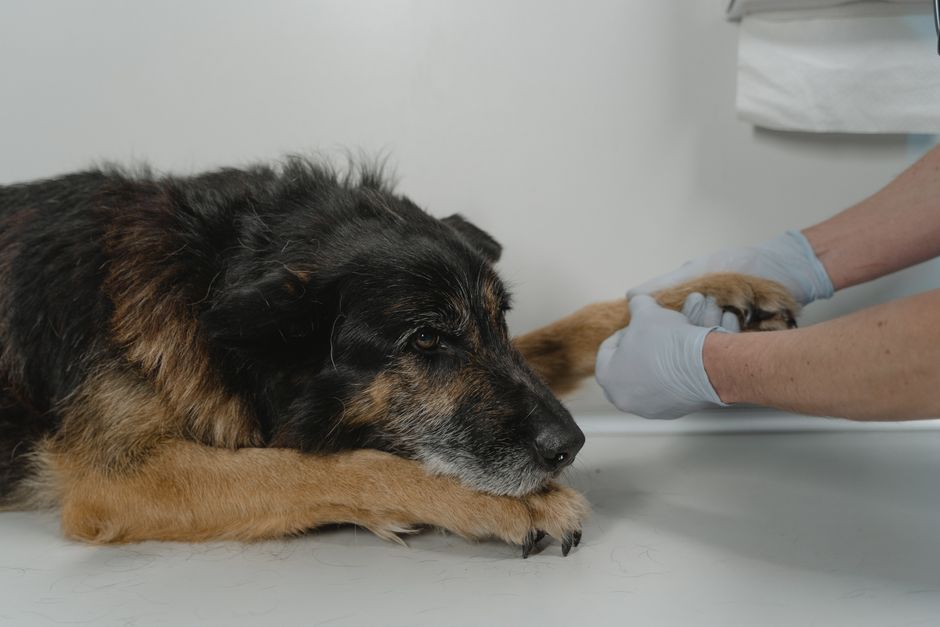
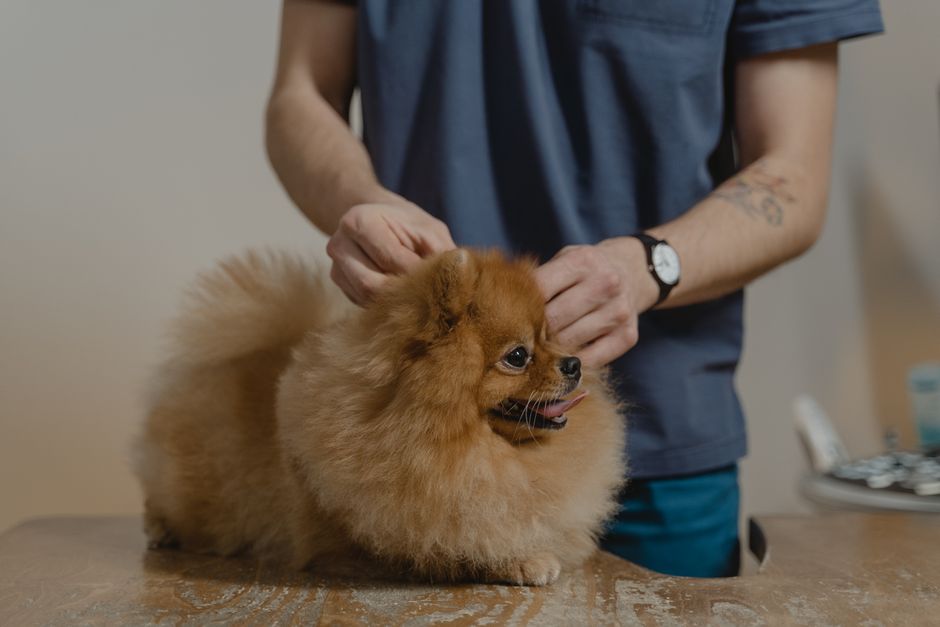
Our veterinarians at Sloan Animal Hospital encourage pet owners to take proactive steps before and during travel. For starters, schedule a comprehensive pet exam to ensure your dog or cat is healthy enough for summer adventures. During your visit, our team can recommend travel-safe parasite prevention, update any needed vaccinations, and discuss your pet’s unique needs—especially if they have chronic health conditions.
If your travel plans include crossing state lines or staying in pet-friendly accommodations, ask our veterinary team about travel certificates or additional vaccines that may be required. Should your pet develop signs of heat stress while traveling, immediate veterinary attention is vital. Treatment may involve rapidly cooling your pet, providing intravenous fluids, and monitoring organ function. The earlier you seek help, the better the outcome for your companion.
Prevention and Home Care: Practical Steps for Every Trip
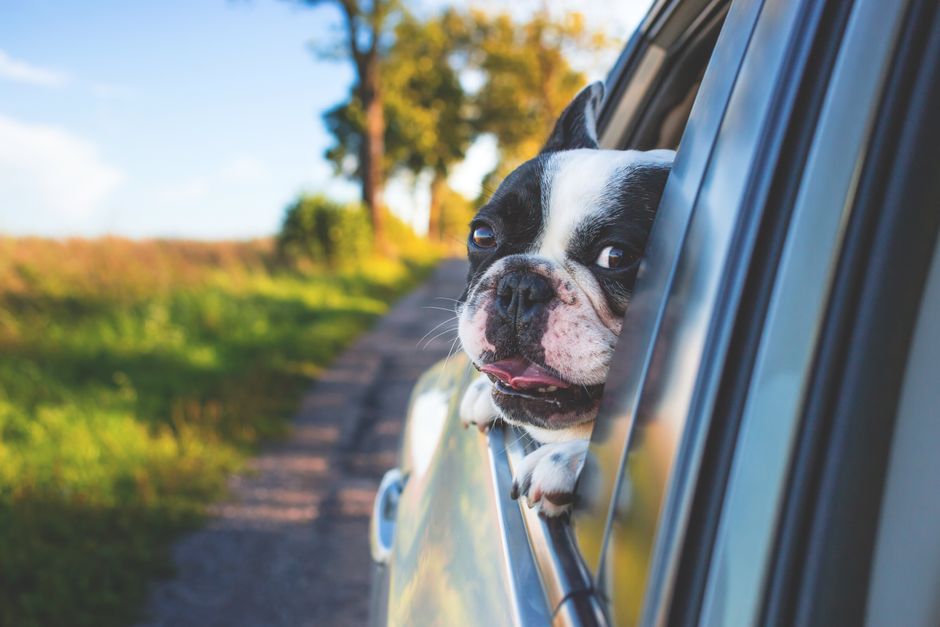
Preventing heat-related illness is all about planning, awareness, and making smart choices throughout your trip. Always provide fresh, cool water during every stop, and offer it frequently—especially if your pet is panting or drooling. Plan travel during the cooler parts of the day, such as early morning or late evening, and take regular breaks in shaded areas. Never leave your pet unattended in a parked car, even for a few minutes.
Consider using sunshades, cooling mats, or portable fans to help maintain a comfortable environment inside your vehicle. For dogs, avoid walks on hot pavement, as their paws can burn quickly; try pressing your hand to the ground for several seconds—if it’s too hot for you, it’s too hot for your pet. Cats traveling in carriers should have good ventilation and a cool, quiet space away from direct sunlight.
Introduce your pet to travel gradually if they’re not used to long car rides. Bring familiar bedding and toys to help ease anxiety. Microchipping and ensuring your contact information is up-to-date can also be a lifesaver in case your pet becomes lost during your trip. For more details about summer travel safety and to check your pet’s readiness, our veterinary professionals are happy to discuss your unique situation at your next visit.
When to Seek Veterinary Care: Knowing When Your Pet Needs Help
Despite your best efforts, emergencies can happen. If your pet begins to show signs of heatstroke—such as vomiting, collapse, seizures, or extreme lethargy—immediate veterinary intervention is essential. Heatstroke can cause lasting organ damage or be fatal if not treated quickly.
If you’re traveling near Grand Prairie and your pet experiences symptoms of heat stress, don’t wait. Contact our veterinary team right away for guidance or seek emergency care if needed. Even mild symptoms should be addressed quickly, as they can rapidly worsen in the Texas heat. You can learn more about emergency veterinary care at our hospital and what to expect during urgent visits.
If you suspect your pet may have ingested something toxic during your travels, the ASPCA Animal Poison Control Center is a valuable resource for immediate advice while you contact your veterinarian.
Protecting Your Pet in the Texas Heat: Final Tips for Safe Summer Travel
As you prepare for your next summer adventure, remember that your pet’s safety and comfort come first. The Texas heat can be relentless, but with careful planning, close monitoring, and the right precautions, your dog or cat can enjoy the journey right alongside you. Schedule a wellness check with our veterinary team at Sloan Animal Hospital to ensure your pet is ready for travel, update parasite prevention and vaccinations, and get personalized tips for your specific plans.
If you’re ever in doubt or searching for a "vet near me" during your travels, our veterinarians in Grand Prairie are just a call away. We’re committed to helping families in Grand Prairie and surrounding communities keep their pets healthy, happy, and safe—no matter where the road takes you this summer.
Call us today at (214) 412-2462 to schedule your pet’s travel exam or for advice about summer safety. For directions to our clinic, visit Grand Prairie, TX 75052. Your pet’s wellbeing is our top priority, and we’re here to support you every step of the way. Safe travels and enjoy your summer adventures with your four-legged family members!