
Winter Pet Care Tips for Grand Prairie’s Chilly, Wet Season

Winter Pet Care Tips for Grand Prairie’s Chilly, Wet Season
When winter arrives in Grand Prairie, sudden temperature drops and rainy days can catch both pets and their owners off guard. If you have ever wondered how to keep your dog or cat safe, warm, and healthy during the colder, wetter months, you are not alone. Texas winters may not bring deep snow, but chilly winds and damp conditions pose real challenges for local pets. At Sloan Animal Hospital , we regularly help pet owners prepare for these seasonal changes with practical winter pet care tips and expert veterinary support. Our full-service facility, located at 2942 West Camp Wisdom Rd, Grand Prairie, TX 75052, is dedicated to providing comprehensive care for pets throughout Grand Prairie and surrounding communities.
In this blog, you will find a complete guide to cold weather pet safety, including how to spot winter hazards, why Texas pets are vulnerable, and what steps you can take to keep your companion comfortable and healthy. From recognizing signs of cold stress to choosing the best nutrition for winter months, our veterinarians cover what every pet owner needs to know. If you are searching for a "vet near me" who understands the unique needs of pets in Grand Prairie, our team is here to help you schedule an appointment and discuss a tailored winter wellness plan.
Recognizing Winter Hazards: Signs Your Pet Needs Extra Care
As temperatures drop and rain becomes more frequent, it is important to recognize subtle signs that your pet may be struggling with the cold or dampness. Symptoms of winter discomfort in dogs and cats include shivering, lethargy, reluctance to go outside, and seeking out warm spots or hiding. Some pets may develop cracked paw pads, dry skin, or matted fur as a result of exposure to chilly, wet environments. Respiratory issues can also arise, especially in older animals or those with underlying health conditions.
Other warning signs to watch for are persistent coughing, sneezing, or difficulty breathing, which can be exacerbated by damp, cold air. Joint stiffness or limping is common in senior pets during winter, as cold temperatures worsen arthritis and orthopedic conditions. Additionally, pets with short coats, thin body types, or chronic illnesses are more likely to show early symptoms of cold stress and require extra attention.
If your pet seems less active, avoids walks, or is showing any of these signs, it may be time to consider a wellness examination to ensure they are in good health before winter weather intensifies.
Why Grand Prairie Pets Are Vulnerable in Winter
Although Grand Prairie winters are milder than those in northern states, the combination of dampness, fluctuating temperatures, and occasional cold snaps can still take a toll on pets. Dogs and cats that spend most of their time indoors may be especially unprepared for abrupt changes in the weather. The region’s winter climate often brings chilly rain and gusty winds, making even brief outdoor time uncomfortable.
The main contributing factors to winter vulnerabilities in pets involve their age, health status, coat type, and activity level. Puppies, kittens, and senior pets are more sensitive to cold and may have difficulty regulating their body temperature. Short-haired breeds and pets with thin fur do not have the natural insulation needed to withstand the chill, while animals with chronic illnesses or mobility issues may find it harder to stay warm and dry.
Grand Prairie’s damp winter conditions can also increase the risk of fungal skin infections, respiratory problems, and joint discomfort. Salt and deicers used on sidewalks, while less common than up north, can still irritate paw pads and lead to accidental ingestion of toxic substances when pets lick their feet after walks.
Understanding these regional risks emphasizes the importance of seeking out quality veterinary services in Grand Prairie to ensure your pet’s winter wellness needs are met.
Professional Winter Care: How Your Veterinarian Can Help
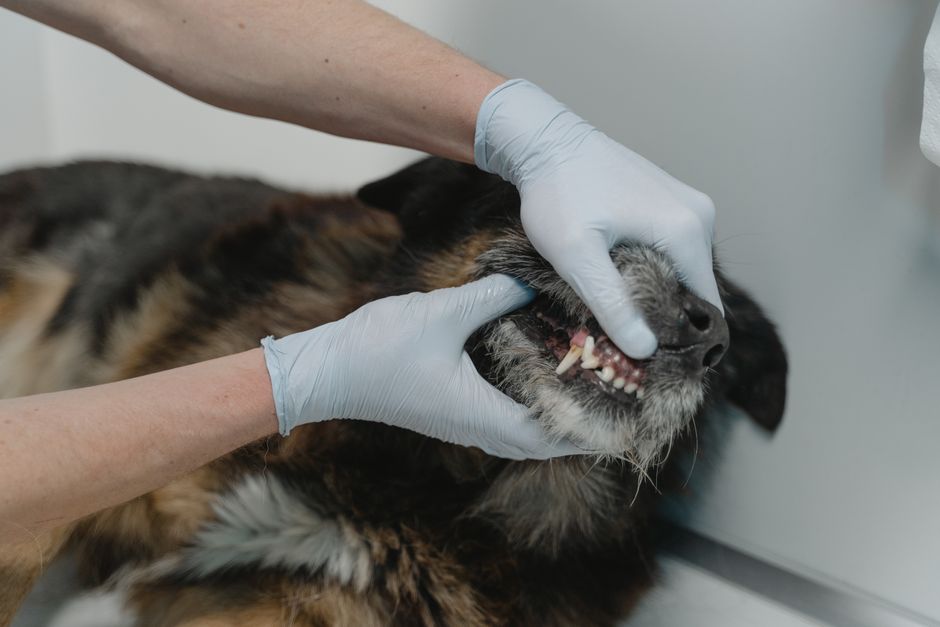
Scheduling a comprehensive winter checkup with your veterinarian is one of the best ways to safeguard your pet’s health during the colder months. During a winter wellness visit, veterinary professionals will assess your pet’s overall condition, monitor for early signs of cold stress, and recommend preventive care tailored to their unique needs. This includes evaluating body condition, checking skin and coat health, and discussing any changes in behavior or mobility.
Vaccination services remain essential year-round, as winter does not eliminate the risk of contagious diseases. Your veterinarian may also recommend regular parasite prevention, since fleas, ticks, and other pests can remain active in milder Texas winters. For pets with arthritis or musculoskeletal concerns, the veterinary team might suggest pain management options and joint supplements to help alleviate discomfort in cold weather. You can learn more about veterinary pain management services for pets if your companion is showing signs of stiffness or difficulty moving.
In some cases, diagnostic testing may be advised to rule out underlying issues that could worsen during winter, such as respiratory infections or metabolic diseases. Maintaining regular veterinary checkups and addressing health changes promptly ensures your pet receives the highest standard of care throughout the winter season.
Home Care and Prevention: Keeping Your Pet Safe and Comfortable
Taking proactive steps at home is essential for effective cold weather pet safety. Ensuring your pet has a warm, dry place to rest indoors is a top priority. Pets should never be left outside for extended periods, especially during rainy or windy weather. If your dog or cat needs to go outside, limit their exposure and supervise them closely. Consider using pet-safe sweaters, coats, or booties for short-haired breeds or senior pets, as this can add an extra layer of insulation and protect sensitive paws.
Nutrition also plays a vital role in supporting your pet’s health during the winter months. You may notice your pet’s appetite changes with the seasons, so it is a good idea to discuss dietary adjustments with your veterinarian. Nutritional counseling for healthy dietary habits during winter can help you select the right food and portion sizes, ensuring your pet maintains an ideal weight and receives the nutrients needed to stay warm.
Daily grooming is important, especially for dogs and cats with thick or long coats. Regular brushing helps prevent matting, which can reduce the insulating properties of their fur. If your pet’s skin becomes dry or flaky, consult your veterinarian for recommendations on moisturizing shampoos or supplements. After outdoor walks, wipe your pet’s paws and belly to remove moisture, mud, and any chemicals they might have picked up along the way.
Pet owners should also keep an eye out for potential hazards around the home. Antifreeze, commonly used in vehicles during winter, is extremely toxic to pets. Store it securely and clean spills immediately. Be mindful of space heaters and heated blankets, as pets may try to snuggle close and risk burns or accidental fires.
Consistent, preventive measures at home, combined with support from quality veterinary services in Grand Prairie, can go a long way toward keeping your pet safe this winter.
When to Seek Veterinary Care: Recognizing Urgent Winter Concerns
While many winter-related issues can be managed at home, there are times when prompt veterinary attention is crucial. If your pet is exhibiting severe shivering, unresponsiveness, persistent coughing, difficulty breathing, or signs of frostbite such as pale or bluish skin, immediate care is needed. Other red flags include persistent vomiting, diarrhea, sudden weakness, or dramatic changes in appetite and water intake.
If you suspect your pet has ingested a toxic substance like antifreeze or has been exposed to harmful deicers, contact your veterinarian immediately. The ASPCA Poison Control resource offers additional guidance for potential poisoning emergencies.
Never hesitate to reach out for professional help if you are unsure whether your pet’s symptoms are serious. Scheduling a prompt visit with the best veterinarian near me ensures that any underlying issues are addressed quickly and thoroughly. For urgent health concerns that arise outside of regular hours, our veterinary team provides emergency veterinary care for urgent health concerns so your pet is always protected, regardless of the season.
Supporting Your Pet’s Winter Wellness: Take the Next Step
Winter in Grand Prairie brings unique challenges, but with the right preparation and support, your pet can enjoy the season safely and comfortably. Key takeaways include monitoring for signs of cold stress, providing a warm and dry environment, maintaining a healthy diet, and scheduling regular veterinary checkups. Our team of veterinarians at Sloan Animal Hospital is committed to delivering quality veterinary services in Grand Prairie and surrounding communities, helping your companion thrive no matter the weather.
If you are ready to book a winter wellness exam or have questions about your pet’s specific needs, we invite you to schedule an appointment with the best vets near me. You can reach us at (214) 412-2462 or visit us at 2942 West Camp Wisdom Rd, Grand Prairie, TX 75052. For more information about our wellness examinations or nutritional counseling for healthy dietary habits during winter, our veterinary professionals are always here to help you make the best choices for your pet’s health.
Remember, cold weather pet safety starts with awareness and proactive care. Let us partner with you to keep your furry family members safe and happy all season long. Schedule your visit today and discover why so many pet owners trust our veterinary team as their go-to vet near me for winter wellness in Grand Prairie.