
Winter Pet Illnesses: What Grand Prairie Owners Should Watch For


Winter Pet Illnesses: What Grand Prairie Owners Should Watch For
As winter settles over Grand Prairie, chilly winds and rainy days become the norm for both people and their pets. While snuggling indoors might sound cozy, the season also brings a new set of health challenges for our furry family members. February’s weather can create the perfect conditions for certain pet illnesses, making it essential for dog and cat owners to stay vigilant and proactive. At Sloan Animal Hospital , our veterinarians understand how local climate changes can impact your pet’s wellbeing. In this guide, we’ll explore the most common winter pet illnesses seen in Grand Prairie and the surrounding communities, discuss early warning signs to watch for at home, and share how our veterinary team can help keep your pet healthy throughout the colder months. Whether you’re concerned about a sniffle, a limp, or changes in behavior, we’re here to provide the support and expertise you need. If you ever have questions or notice unusual symptoms, we encourage you to schedule a wellness examination so we can check your pet from nose to tail.
How to Recognize Winter Illnesses in Your Grand Prairie Pet
As a pet owner, it’s reassuring to know what’s normal for your animal companion. However, subtle changes can sometimes signal the beginning of a health problem, especially during the winter months. The most common winter pet illnesses include upper respiratory infections, kennel cough, hypothermia, arthritis flare-ups, and seasonal allergies. Warning signs to watch for are sneezing, coughing, nasal discharge, lethargy, decreased appetite, shivering, limping, or licking at sore joints. Additionally, dogs and cats may exhibit red or runny eyes, seem less interested in play, or have difficulty getting up after a nap. If your pet is usually energetic but suddenly seems withdrawn or less social, or if they start having accidents in the house, these behaviors could also indicate that something isn’t right.
Sometimes, the symptoms are easy to miss, especially if your dog or cat is a master at hiding discomfort. For example, a limp that comes and goes after a brisk walk on a cold day might be dismissed as stiffness, but it could signal arthritis pain or even an injury. Likewise, persistent sneezing or coughing may initially seem like a minor annoyance but can quickly escalate in winter’s damp conditions. When in doubt, trust your instincts as a pet parent. If you notice any of these changes, it’s always better to consult with our veterinary professionals at Sloan Animal Hospital .
Why Do Pets Get Sick More Often in Winter?
Understanding what makes winter a riskier time for pet health can help you take steps to protect your animal companion. Cold, damp weather and sudden temperature shifts can weaken your pet’s immune system, making them more susceptible to infections. Dogs and cats that spend time outdoors may be exposed to chilly rain, freezing puddles, or even the occasional icy patch, all of which can stress their bodies and lead to illness.
Respiratory illnesses, such as kennel cough and feline upper respiratory infections, are more likely to spread in winter because pets spend extra time in close quarters—whether at boarding facilities, grooming salons, or simply cuddling indoors with other animals. Contaminated surfaces and shared air can make it easier for viruses and bacteria to travel from one pet to another. Additionally, cold weather can aggravate chronic conditions, like arthritis, causing joints to become stiff and painful. Pets with underlying health issues or those who are very young or elderly are at particular risk during winter.
It’s also important to consider the impact of decreased sunlight, which can lead to less activity and even mild seasonal depression in some pets. Reduced exercise can contribute to weight gain, further straining joints and the immune system. In Grand Prairie, where February often brings wet, blustery conditions, these factors combine to create a perfect storm for winter illnesses to take hold.
How Our Veterinarians Diagnose and Treat Winter Illnesses
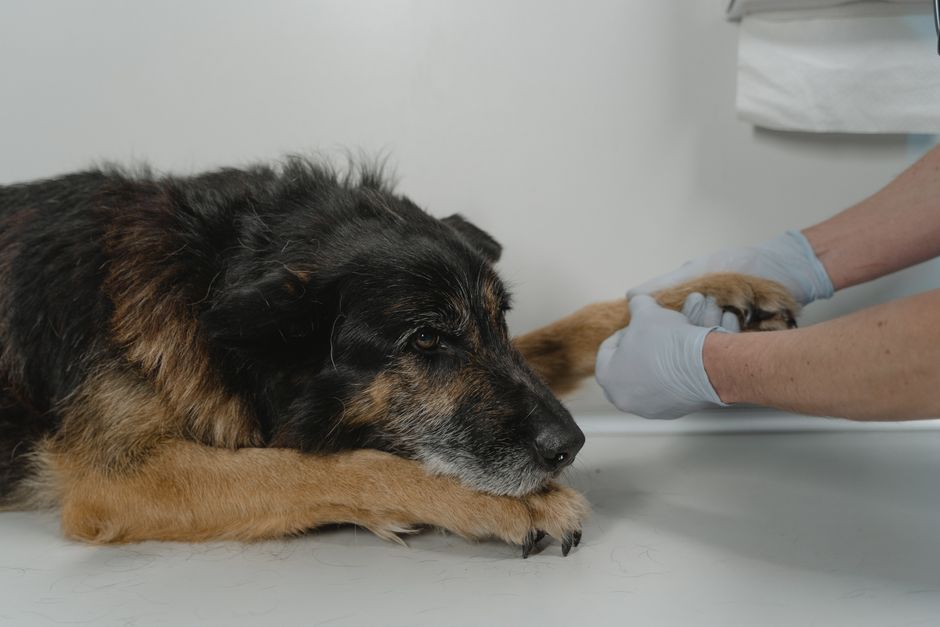
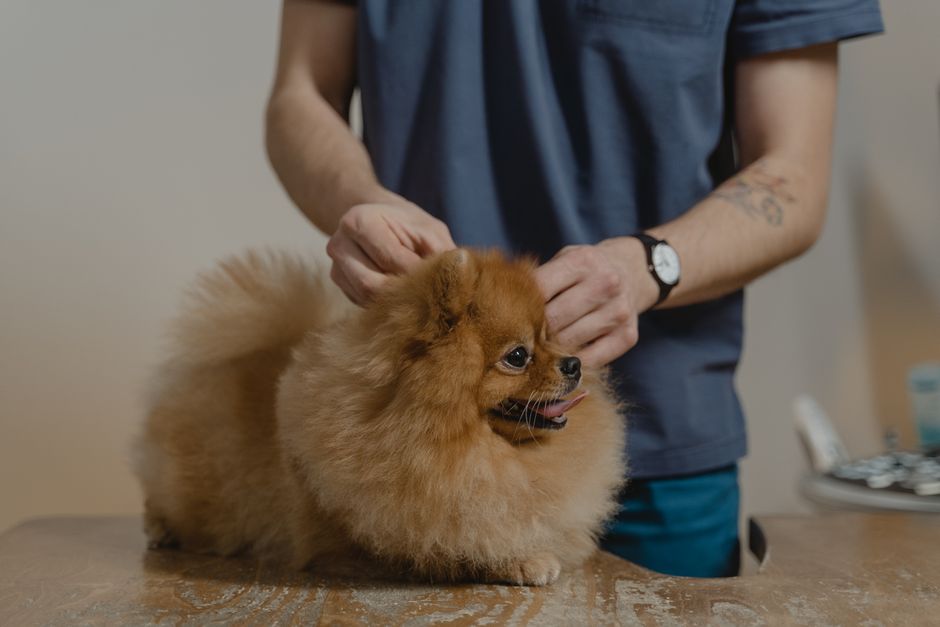
If your pet is showing signs of illness, our veterinary team at Sloan Animal Hospital is equipped with advanced diagnostic tools and years of experience to provide comprehensive care. At your appointment, we’ll start with a thorough physical examination, checking your pet’s temperature, breathing, heart rate, and overall demeanor. For respiratory symptoms, we may recommend diagnostic tests such as bloodwork or imaging to identify the underlying cause. Our diagnostic laboratory services allow us to quickly evaluate your pet’s health and pinpoint infections or inflammation.
Treatment approaches depend on the specific illness and your pet’s overall health. For upper respiratory infections or kennel cough, our veterinarians might prescribe medications to reduce symptoms and prevent complications. If your pet is suffering from arthritis pain, we offer pain management solutions that can include anti-inflammatory medications, joint supplements, or tailored exercise plans. Pets with hypothermia or cold exposure may require gradual warming, intravenous fluids, and close monitoring until they recover.
In some cases, such as severe respiratory distress or sudden weakness, urgent intervention may be necessary. Our facility is prepared to handle emergencies and provide ongoing support as your pet recovers. Throughout the process, we prioritize your pet’s comfort and wellbeing, keeping you informed every step of the way.
Preventing Winter Illnesses: What Pet Owners Can Do at Home
While veterinary care is essential for treating illness, prevention starts at home. Protecting your pet during Grand Prairie’s winter months involves a combination of practical steps and proactive health management. Make sure your dog or cat has a warm, dry place to sleep, away from drafts and dampness. Limit outdoor time during especially cold or rainy days, and dry your pet thoroughly if they get wet. For senior pets or those with arthritis, consider providing soft bedding and gentle exercise to keep joints mobile without overexertion.
Regular wellness checks and up-to-date vaccinations are crucial for preventing infectious diseases. Scheduling a wellness examination at Sloan Animal Hospital can help catch early signs of illness before they become serious. If your pet spends time around other animals, such as at daycare or boarding, talk with our veterinarians about appropriate vaccination services to reduce their risk of respiratory infections.
Maintaining a balanced diet and healthy weight also supports your pet’s immune system. If you have questions about nutrition during the colder months or need advice on managing your pet’s arthritis, our veterinary professionals are happy to provide personalized guidance. Finally, pay close attention to any changes in your pet’s behavior, appetite, or activity level, and contact us promptly if something seems off.
When to Bring Your Pet to the Veterinarian
Knowing when to seek professional help can make all the difference in your pet’s recovery. Immediate veterinary attention is needed if your pet develops difficulty breathing, persistent coughing, ongoing vomiting or diarrhea, severe lethargy, sudden lameness, or signs of pain. Symptoms such as a high fever, bluish gums, or collapse are emergencies and require prompt care. For less urgent but still concerning changes—like mild coughing, sneezing, or stiffness that doesn’t resolve after a day or two—schedule an appointment with our veterinarians so we can perform a thorough evaluation.
Remember that pets with preexisting health conditions, puppies, kittens, and senior animals are especially vulnerable in winter. Even subtle changes in their routine can signal an underlying problem. If you’re ever unsure, our compassionate team at Sloan Animal Hospital is here to answer your questions and provide guidance.
Keeping Grand Prairie Pets Healthy All Winter Long
As the days remain cold and rainy in Grand Prairie, your pet relies on you for warmth, comfort, and attentive care. By staying alert to winter illness symptoms and seeking help early, you can help your dog or cat stay happy and healthy. Our veterinary professionals are committed to providing comprehensive, compassionate support throughout the season. Whether you’re scheduling a routine checkup, need advice on preventive care, or have concerns about a new symptom, we’re here to help.
If you’re searching for a veterinarian near me who truly understands the needs of pets in Grand Prairie and the surrounding communities, look no further than Sloan Animal Hospital . To schedule an appointment or speak with our veterinary team, call (214) 412-2462 or visit us at 2942 West Camp Wisdom Rd, Grand Prairie, TX 75052. Your pet’s health and comfort are our top priorities, and we look forward to supporting you both through every season.