

Is Your Cat Hiding? Common Causes and What to Do

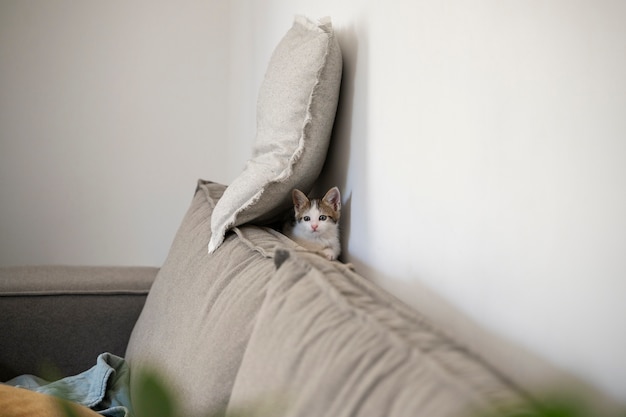
Is Your Cat Hiding? Common Causes and What to Do
If you have ever found yourself calling for your cat only to discover them tucked away under the bed, inside a closet, or squeezed behind the sofa, you are not alone. Feline hiding behavior is common, but when your cat starts seeking solitude more often or for longer periods, it can leave any pet owner in Grand Prairie concerned. At Sloan Animal Hospital , we understand that your cat’s well-being is a top priority, especially during the winter when pets may spend more time indoors. This blog will walk you through the most frequent reasons why cats hide, help you recognize when hiding is a sign of a medical or behavioral concern, and offer guidance on how our veterinary professionals can help your pet feel safe and healthy.
Throughout this guide, you will learn how to distinguish normal feline hiding from behavior that may signal illness or anxiety. We will also discuss when it is time to schedule a visit with our veterinary team at 2942 West Camp Wisdom Rd, Grand Prairie, TX 75052 and how our comprehensive services, including wellness exams and diagnostic testing, can help uncover the root cause of your cat’s behavior.
Recognizing When Your Cat's Hiding Is a Concern
Cats are known for their secretive and independent nature, so occasional hiding is often part of normal feline behavior. However, knowing the difference between a content cat seeking solitude and one hiding due to a problem is essential for your pet’s health.
Signs that hiding may be cause for concern include a sudden change in your cat’s usual behavior, such as spending much more time in secluded spots than usual or avoiding family members and favorite activities. Additional warning signs can include a decrease in appetite, changes in litter box habits, vocalizing more or less than normal, or reduced grooming. Cats that are ill or in pain may also become less responsive to interaction, seem lethargic, or appear more anxious or fearful than usual. For example, if your usually social cat is now hiding under the bed all day and refuses food, this could indicate a medical issue that needs attention.
It is also important to note the duration and intensity of the hiding. Brief periods of alone time are not unusual, especially around loud noises or unfamiliar visitors. However, if your cat consistently avoids daylight or only emerges at night, or if the hiding persists for several days, it is time to consider whether something more serious is going on.
Why Do Cats Hide? Understanding Behavioral and Medical Causes
Hiding is a natural feline instinct that provides comfort and safety. In many cases, environmental changes such as moving to a new home, rearranging furniture, welcoming a new pet or family member, or holiday gatherings can trigger hiding behavior in cats. During the winter months in Grand Prairie, cats may also seek out warm, enclosed spaces to escape drafts or chilly floors.
Beyond these normal causes, several behavioral factors may prompt a cat to hide. Stress and anxiety are common triggers; cats are sensitive to changes in their routine and may hide to cope with unfamiliar situations. Loud noises, visiting guests, or even changes in household schedules can make a cat seek out a safe retreat. Some cats are naturally more timid and will require longer to adjust to changes in their environment.
Medical causes are also significant contributors to hiding behavior. Illnesses such as urinary tract infections, dental pain, arthritis, gastrointestinal discomfort, or skin problems can lead cats to isolate themselves. Hiding may also be a symptom of injuries or underlying diseases that are not immediately visible. Pain and discomfort often make cats seek seclusion, as their instincts drive them to protect themselves when feeling vulnerable.
In some instances, hiding may be a sign of aging or cognitive decline, especially in senior cats. These cats might become confused or less interactive, opting for quiet areas away from household activity. The difference between ordinary hiding and medically significant hiding often comes down to changes in other behaviors, such as eating, drinking, and grooming habits.
How Veterinary Professionals Diagnose and Treat Excessive Hiding
When you notice changes in your cat’s hiding patterns, scheduling a visit with our veterinary team is an important first step. At Sloan Animal Hospital , our veterinarians will start with a thorough discussion of your cat’s recent behavior, environment, and any other symptoms you have observed. A comprehensive physical examination allows us to look for signs of pain, dental disease, skin issues, or other health problems.
If an underlying medical issue is suspected, our veterinary professionals may recommend diagnostic tests such as bloodwork, urinalysis, or imaging. For example, our pet diagnostic laboratory services can help identify infections, metabolic conditions, or organ dysfunction, while digital radiology or ultrasound may uncover injuries or internal concerns.
Treatment approaches depend on the root cause. If a medical condition is discovered, we will explain the treatment plan in detail, which may involve medication, dietary changes, surgery, or pain management. Our pain management services are designed to help cats living with chronic discomfort regain their quality of life. For cats experiencing anxiety or behavioral issues, we may suggest environmental modifications, pheromone therapy, or nutritional counseling to reduce stress and support emotional well-being.
Throughout the process, our veterinary team will communicate with you about your cat’s progress and any follow-up care needed. We are committed to ensuring that your pet feels safe and comfortable, both during their visit and at home.
Helping Your Cat Feel Safe: Home Care and Prevention Tips
There are several steps you can take at home to make your cat feel more secure and reduce the urge to hide. Start by ensuring your cat has access to quiet, safe hiding spots that are easily accessible and free from hazards. Providing cozy bedding, enclosed cat beds, or even cardboard boxes in low-traffic areas can help your cat feel protected without needing to isolate themselves completely.
If recent changes in your household have triggered your cat’s hiding, try to maintain a consistent daily routine for feeding, play, and social interaction. Gradually introduce new people, pets, or objects, and allow your cat to approach them at their own pace. Using pheromone diffusers or sprays designed for feline stress can promote relaxation.
Nutritional health is also a key component of your cat’s overall well-being. Our nutritional counseling services can help you choose the right diet for your cat’s age, lifestyle, and medical needs, which may in turn support emotional stability.
Regular wellness examinations and preventive care are vital for early detection of medical issues that could lead to hiding. Scheduling routine checkups with our veterinary team helps ensure that any problems are identified and addressed promptly, often before more serious symptoms develop.
When to Bring Your Cat to the Veterinarian
While some hiding is normal, there are specific situations where prompt veterinary attention is necessary. You should schedule an appointment with our veterinarians if your cat’s hiding is accompanied by changes in eating or drinking habits, weight loss, vomiting, diarrhea, limping, or labored breathing. Additional signs that warrant immediate care include difficulty urinating, signs of pain when touched, sudden aggression, or any indication that your cat is in distress.
If your cat is hiding for more than a day or two and seems less responsive, it is always safest to err on the side of caution and seek professional advice. Our wellness exam and pet examination services in Grand Prairie are designed to provide peace of mind and ensure your pet’s health is thoroughly evaluated.
Remember, cats are experts at masking discomfort, so subtle changes in behavior often signal that something is wrong. By reaching out to our veterinary professionals, you can help ensure your cat receives the care they need to feel safe, comfortable, and well.
Supporting Your Cat’s Well-Being with Sloan Animal Hospital
Your cat’s hiding behavior is their way of communicating with you, and understanding what it means is the first step in supporting their health and happiness. Whether your cat is seeking solitude due to stress, environmental change, or an underlying medical condition, our veterinary team at Sloan Animal Hospital is here to help.
We encourage you to schedule an appointment with our veterinarians if you are concerned about your cat’s hiding or if you notice any changes in their behavior. Our compassionate approach, comprehensive services, and commitment to pet wellness make us a trusted resource for families in Grand Prairie and surrounding communities. When searching for a veterinarian near me, know that our team is ready to partner with you in keeping your cat healthy throughout every season.
To book a consultation or learn more about our services, call us at (214) 412-2462 or visit us at 2942 West Camp Wisdom Rd, Grand Prairie, TX 75052. You can also explore more about our wellness exam and pet examination offerings to ensure your cat receives the preventive care they deserve. Your cat’s comfort and health are always our highest priorities.