
Summer Hydration Tips for Dogs and Cats in Grand Prairie

Summer Hydration Tips for Dogs and Cats in Grand Prairie
As temperatures climb and humidity rises in Grand Prairie, pet owners naturally worry about their dogs and cats staying cool and hydrated. At Sloan Animal Hospital , we understand how challenging Texas summers can be for pets. Dehydration can happen quickly—especially during the hot, muggy days of June. Whether your companion prefers lounging in a sunbeam or joining you on backyard adventures, making sure they have enough water is crucial for their health and comfort. In this blog, we will explain how to recognize the signs of dehydration, share practical hydration strategies, and help you know when a visit to your trusted veterinary team is the best step for your pet’s wellbeing. We invite you to schedule an appointment with our experienced veterinarians in Grand Prairie, TX if you ever have concerns about your pet’s hydration or summer health.
Recognizing Dehydration in Dogs and Cats
Understanding when your pet may be at risk of dehydration is the first step in keeping them healthy during the warmer months. Dehydration occurs when a dog or cat loses more fluids than they take in, which can disrupt normal body functions and quickly become dangerous. Early recognition allows for prompt action and helps prevent more serious complications.
Common Signs of Dehydration
Key symptoms of dehydration in both dogs and cats include sunken eyes, dry or sticky gums, and decreased skin elasticity. You may notice your pet is lethargic or less interested in play, and their appetite might decrease. Cats often hide discomfort, so subtle changes in their grooming habits or urination frequency can also be warning signs. Dogs may pant excessively or seem restless. Other indicators are thick, ropey saliva, and in severe cases, vomiting or diarrhea. If your pet displays any of these symptoms, it is important to evaluate their water intake and monitor their condition closely.
At-Risk Pets
Certain pets are more vulnerable to dehydration than others. Puppies, kittens, senior pets, and those with underlying health conditions such as kidney disease or diabetes are at higher risk. Pets who spend significant time outdoors, especially during the heat of the day, can also become dehydrated more quickly. If your pet is on medication or has recently been ill, their hydration status may require extra attention.
Why Dehydration Happens During Texas Summers
The combination of high temperatures and humidity common in Grand Prairie during June and throughout the summer months increases your pet’s risk of dehydration. Dogs and cats primarily cool themselves by panting and, to a lesser extent, through their paw pads. Unlike humans, they do not sweat efficiently, which makes it harder for them to regulate body temperature and maintain fluid balance.
Environmental Factors
Heatwaves and lack of shade in the yard can contribute to rapid water loss. Even indoor pets can be affected if air conditioning fails or if their water bowl is empty for just a few hours. Outdoor walks or vigorous play sessions in the middle of the day can further stress your pet’s system. Some pets may avoid drinking if their water is not fresh or if the bowl is placed in a noisy or high-traffic area.
Behavioral Factors
Dogs and cats are creatures of habit, and changes to their routine—such as travel, visitors, or home renovations—can disrupt their normal eating and drinking patterns. Some pets are simply picky about water; they may ignore a bowl if it is not clean or if the water tastes different. Cats, in particular, may prefer running water and drink less if only stagnant water is available.
How Sloan Animal Hospital Treats and Supports Dehydrated Pets
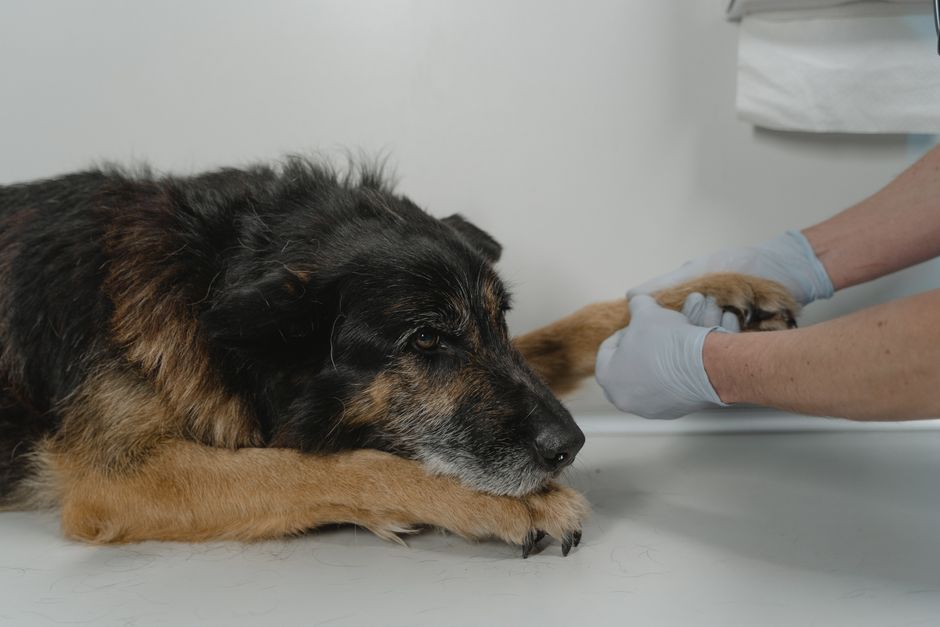
Prompt and effective treatment is essential when dehydration is suspected. At Sloan Animal Hospital , our veterinarians start by performing a thorough physical examination, checking for subtle signs of dehydration and any underlying causes.
Treatment Options
Treatment approaches involve addressing both the immediate fluid loss and any related health concerns. Mild cases of dehydration may be managed by encouraging oral fluids and monitoring progress at home. For moderate to severe dehydration, our veterinary team may administer subcutaneous or intravenous fluids to rapidly restore hydration. We will also investigate and treat any underlying issues, such as gastrointestinal illness or heat exhaustion, that could have led to dehydration in the first place.
Ongoing Monitoring
Our team may recommend follow-up visits or at-home monitoring of your pet’s water intake, appetite, and urination habits. In some cases, we may suggest dietary adjustments or special hydration supplements for pets with chronic health conditions. We are committed to providing comprehensive care and ongoing support to help your pet recover fully and prevent future episodes.
Easy Hydration Strategies for Pet Owners
Fortunately, there are many practical steps you can take at home to help your dog or cat stay well-hydrated all summer long.
Fresh, Accessible Water at All Times
The most important step is ensuring your pet always has access to clean, fresh water. Refill water bowls daily—or even more often on hot days—and wash bowls thoroughly to prevent bacteria or algae growth. For multi-pet households, provide several water sources to reduce competition and encourage regular drinking.
Water Bowl Best Practices
Choose a bowl that is appropriately sized for your pet and made of easy-to-clean materials like stainless steel or ceramic. Place water bowls in quiet, shaded areas away from direct sunlight and high foot traffic. Some pets may benefit from a water fountain, which provides a constant flow and can be especially appealing to cats. Adding a few ice cubes can help keep water cool and refreshing, enticing your pet to drink more.
Creative Ways to Increase Hydration
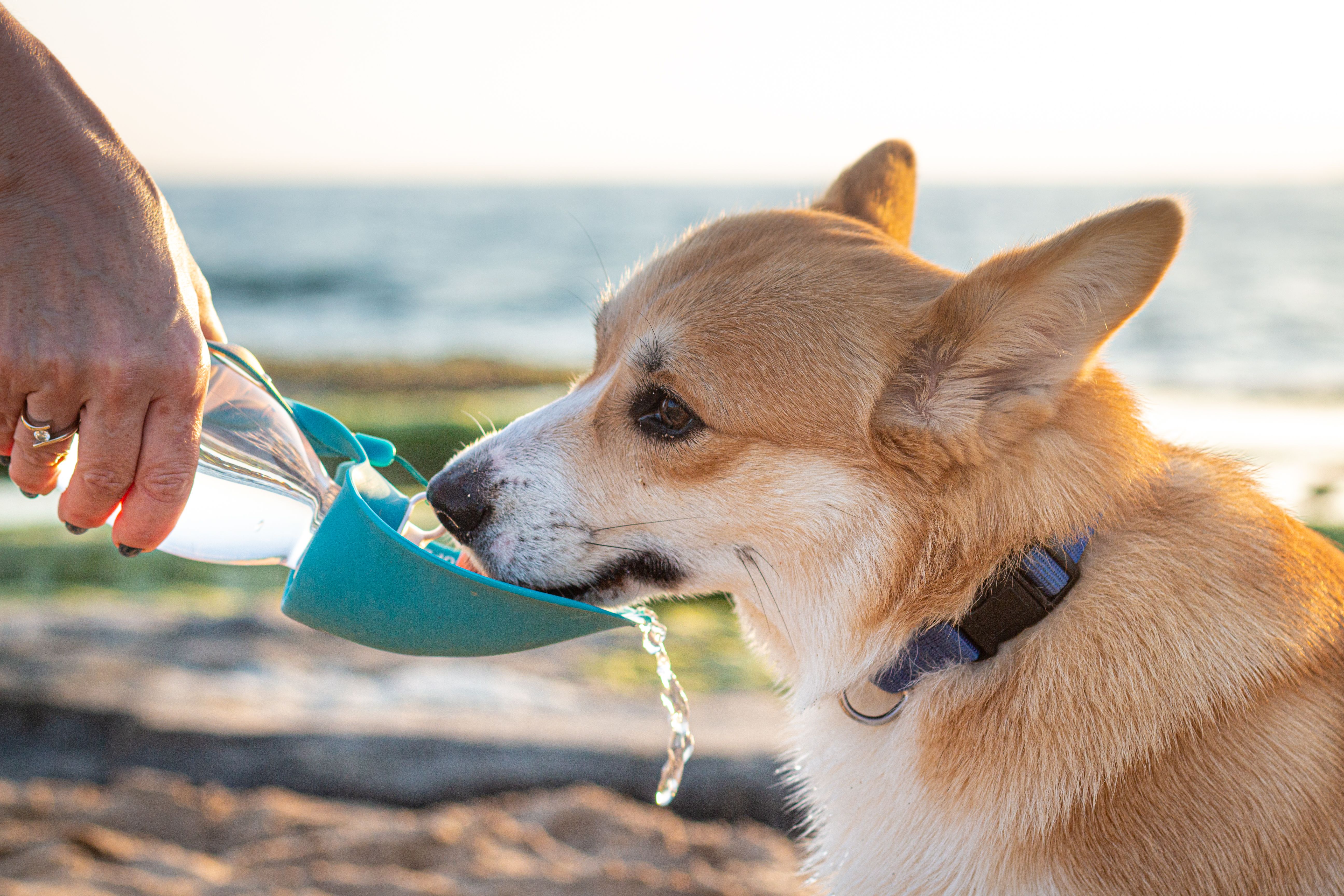
For pets who are reluctant to drink, try adding water to their food or offering wet food instead of dry kibble. You can also provide ice chips or low-sodium broth as an occasional treat. For dogs who spend time outdoors, bring extra water along on walks and offer frequent breaks in the shade. If your cat prefers running water, leave a faucet dripping or invest in a pet-specific water fountain.
Hydration and Exercise
Limit vigorous activity to cooler parts of the day, such as early morning or late evening. Always offer water before, during, and after play sessions or walks. Watch for signs of fatigue or overheating and allow your pet to rest in a cool, comfortable indoor space.
When to Contact Your Veterinarian
Even with the best home care, there are situations where professional help is necessary to protect your pet’s health.
Signs That Require Immediate Attention
If your pet is vomiting, has persistent diarrhea, collapses, or shows signs of severe lethargy, seek veterinary care immediately. Other warning signs include refusal to drink or eat for more than 24 hours, thick and sticky gums, sunken eyes, or significant changes in urination. For pets with chronic health issues, even mild dehydration can quickly become serious.
The Role of Preventive Veterinary Care
Scheduling regular wellness examinations with your veterinary team is an important part of keeping your pet healthy, especially during the summer. Our veterinarians can help you identify subtle changes in hydration status and provide tailored advice based on your pet’s individual needs.
If you are ever uncertain about your pet’s hydration or health, it is always better to call and ask for guidance. Early intervention is key to preventing complications and ensuring your pet enjoys a safe, active summer.
Your Grand Prairie Veterinary Team Is Here to Help
At Sloan Animal Hospital , we are dedicated to supporting you and your pet through the challenges of Texas summers. Our veterinary professionals are passionate about educating pet owners, providing personalized care, and promoting year-round wellness for dogs and cats in Grand Prairie and surrounding communities. If you have questions about hydration, summer safety, or any aspect of your pet’s health, we encourage you to schedule an appointment with our team.
If you ever find yourself searching for a veterinarian near me, know that our experienced veterinarians are ready to help your pet thrive. For compassionate, comprehensive care this summer and beyond, contact Sloan Animal Hospital at (214) 412-2462 or visit our conveniently located clinic in Grand Prairie, TX. We look forward to being your trusted partner in keeping your furry family members healthy, hydrated, and happy all season long.
This article is intended for informational purposes only and should not be substituted for professional veterinary advice. If you are concerned about your pet’s health, always contact your veterinarian directly.